
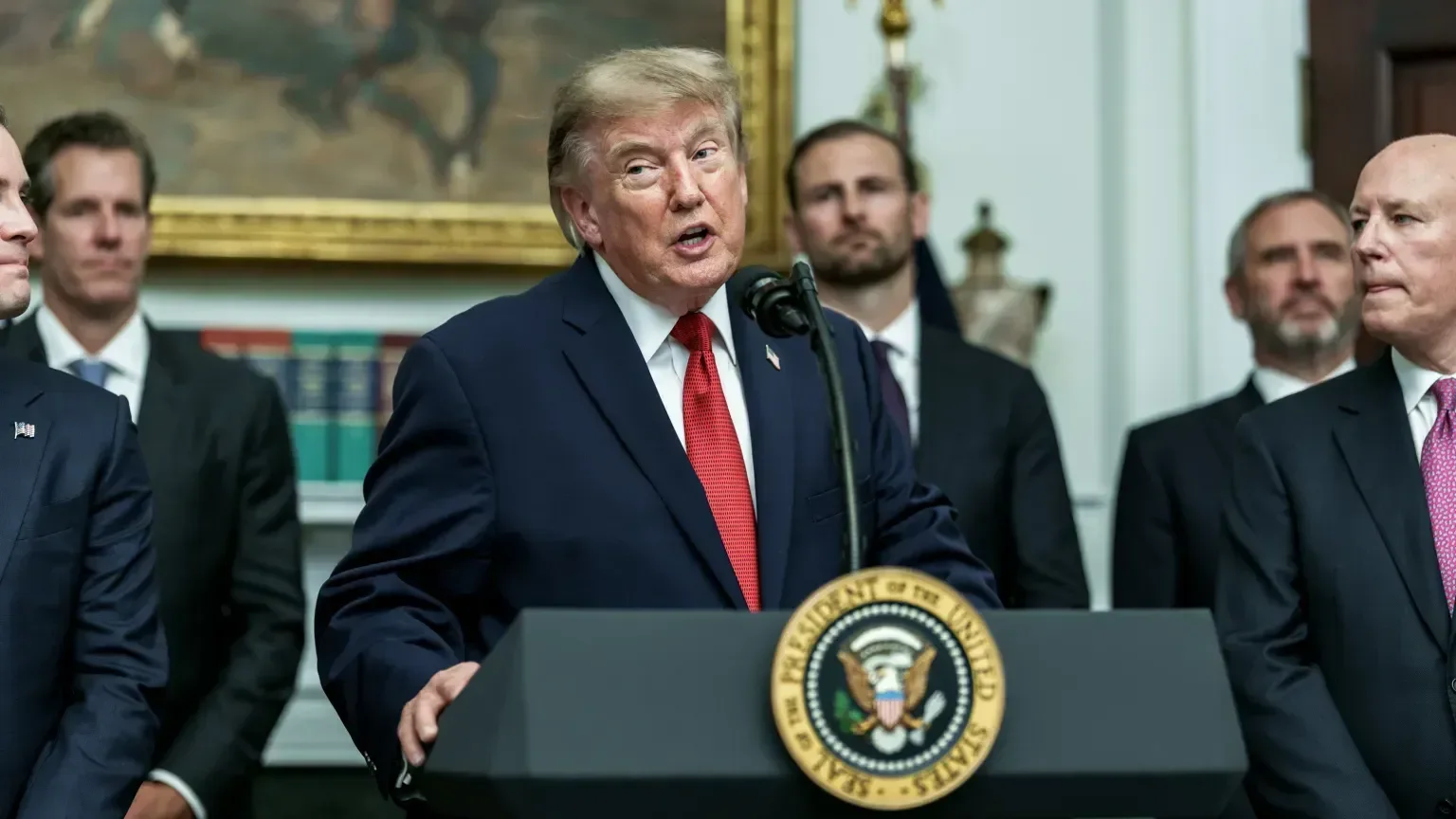

特朗普總統近期提議同朝鮮最高領導人金正恩,就朝鮮據稱擁有的57件核武器展開談判,此舉具備重要外交意義。朝鮮核武器發展早已引發美國高度警惕,因此美國如何應對將深刻影響東北亞地緣格局,關乎韓國、日本、中國乃至俄羅斯的安全利益。
韓國方面消息稱,朝鮮擁有80至100枚核武器,而特朗普公開表述的數字為57枚。無論朝鮮實際核武數量究竟如何,平壤似乎並未展現出要開啟核談判的迫切意願。
金正恩近期要求國際社會承認朝鮮的核國家地位,朝鮮政府已將韓國定性為「敵對國家」。手握規模可觀的核武,朝鮮對美國的議價籌碼大幅提升,跟2018年新加坡峰會時期早已不可同日而語。當年朝美簽署聯合公報,達成朝鮮半島無核化共識。如今朝鮮對無核化議題卻絲毫不感興趣,這與韓國、日本的立場完全相悖。
8月16日,特朗普下令將美韓「乙支自由護盾」聯合軍演時長由11天縮短至5天,此舉意在安撫朝鮮。但朝鮮並未因美韓縮減演習時長而軟化立場。8月20日,朝鮮向海域發射十枚短程彈道導彈以示抗議。顯然,朝鮮採取強硬博弈姿態,不會因美韓的讓步而妥協。
倘若華盛頓對朝鮮推行交易型外交,平壤也會對等博弈。換言之,即使美國願意同朝鮮磋商核計劃,朝鮮也不會輕易讓步。
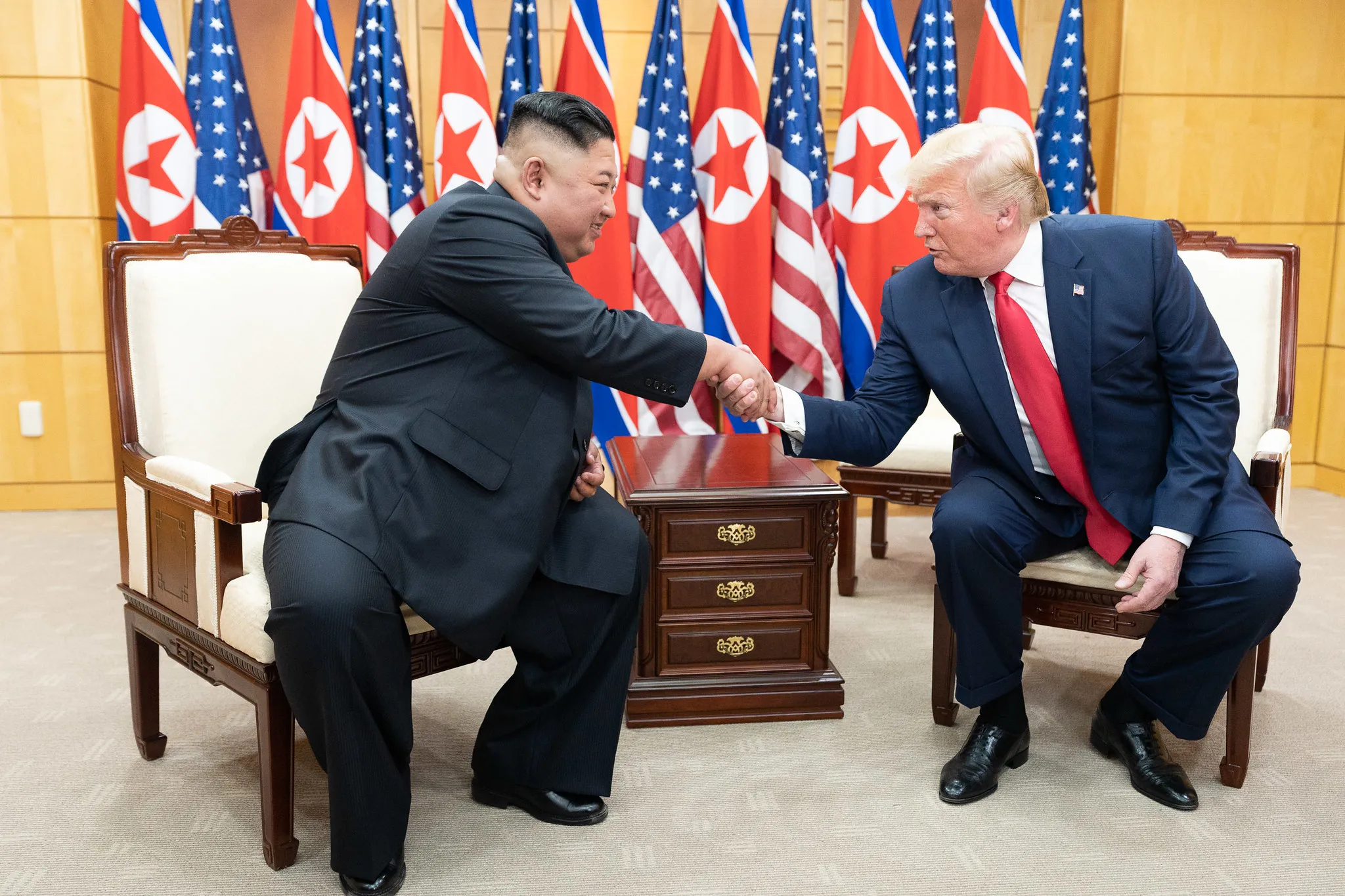
朝鮮雖擁核武 未刻意威脅美軍據點
朝鮮雖快速推進核武建設,卻並未像伊朗那樣扶持代理人武裝──伊朗曾指使胡塞武裝、真主黨等代理人襲擾、威脅美軍據點。部分原因或許來自特朗普與金正恩的個人關係,但更主要是朝鮮自身保持克制。正因朝鮮保持克制,加上韓、中、日、美各方均不願看到衝突爆發,朝鮮半島至今得以保持和平勢態。
即使如此,朝鮮擁核直接衝擊韓國與日本的安全。韓國與美國運作聯合指揮體制,出台核威懾共同方針以應對朝鮮核威脅;但韓國官方仍堅持半島無核化,公開立場並不謀求發展本國核武器。這意味韓國的應對選擇十分有限,只能依靠美國作為安全盟友出面談判,同時呼籲中國促使朝鮮回到談判桌前。
為抵禦朝鮮核威脅,韓國軍方或許不得不考慮發展核武替代方案。民調顯示,76%的韓國民眾支持韓國自主打造核武庫。
不過,在朝鮮問題上,韓國國會認為美國與中國都存在外交不可靠性。特朗普對朝外交政策充滿不確定性,有可能繞開韓國政府直接打交道,而且其交易型外交邏輯,還意味着韓國需要為美國武器承擔更高成本。與此同時,韓國認為中國不願強力施壓朝鮮重返談判。至少現階段,朝鮮本身也缺乏與美國談判的動機。
美國可以動用哪些籌碼吸引朝鮮重回談判?一種思路是美國重新考慮一整套經濟方案,例如重啟開城工業園區。該園區誕生於2000年金正日與金大中歷史性朝韓首腦會晤,2004至2016年間營運,可用來推動朝鮮領導層重回對話軌道。

美國短期可先恢復經濟接觸
對朝恢復經濟接觸,是美國短期最具備可行性的策略。重啟開城工業園區能夠恢復朝韓社會經濟往來,推動朝鮮逐步市場化,也有助於促成朝韓和平共處。
另一項有望撬動朝鮮對話的籌碼,是分階段解除對朝經濟制裁,當然不會一步到位解除,而條件是平壤必須表達與華盛頓展開談判的意願。
因此,允許國際原子能機構(IAEA)核查朝鮮核設施,可以作為邁向和平共處的第一步。「無核化」表述在朝鮮看來政治上無法接受,卻是韓國、日本堅持的訴求。中期務實思路是:短期內擱置「無核化」提法,改用各方更易接納的中性概念──和平共處。和平共處作為現實目標,而無核化只能視作遙遠的長期願景。
除此之外,韓國可探討聯合中國,籌建東北亞自由貿易區,長遠爭取日本加入。但受2025年11月日本首相高市早苗涉台言論影響──她聲稱中國大陸若對台動武,將構成日本「存亡危機」,中日關係惡化,中韓日自貿區短期內難以落地。
朝鮮近期批評日本加速軍備擴張,金正恩妹妹金與正指責日本妄圖復活「戰爭犯罪國家」的野心。深度互疑,再加上兩國沒有外交關係,朝日關係舉步維艱。
核威脅推動日韓軍事競賽 降對美依賴
韓國與日本均依賴美國提供軍事保護與核威懾,以應對朝鮮核威脅。但跡象顯示,日本正提升自主軍備建設,降低對美國依賴;韓國也在自研武器用於國防。日本採購400枚美制「戰斧」巡航導彈,同時發展國產武器,強化針對朝鮮的防御能力。朝鮮擁核直接推動日本重整軍備,此舉招致朝鮮與中國的批評。
另一方面,如果特朗普推行交易型外交,要求韓國承擔更多防務開支,那麼韓國加速擴軍、擴充軍備項目,甚至走向核威懾選項只是時間問題,盡管韓國官方口頭仍堅持無核化立場。
中國對朝政策,是半島實現和平共處的關鍵。韓國已經游說中國大陸扮演斡旋角色,說服朝鮮與韓國開展和平發展相關對話。
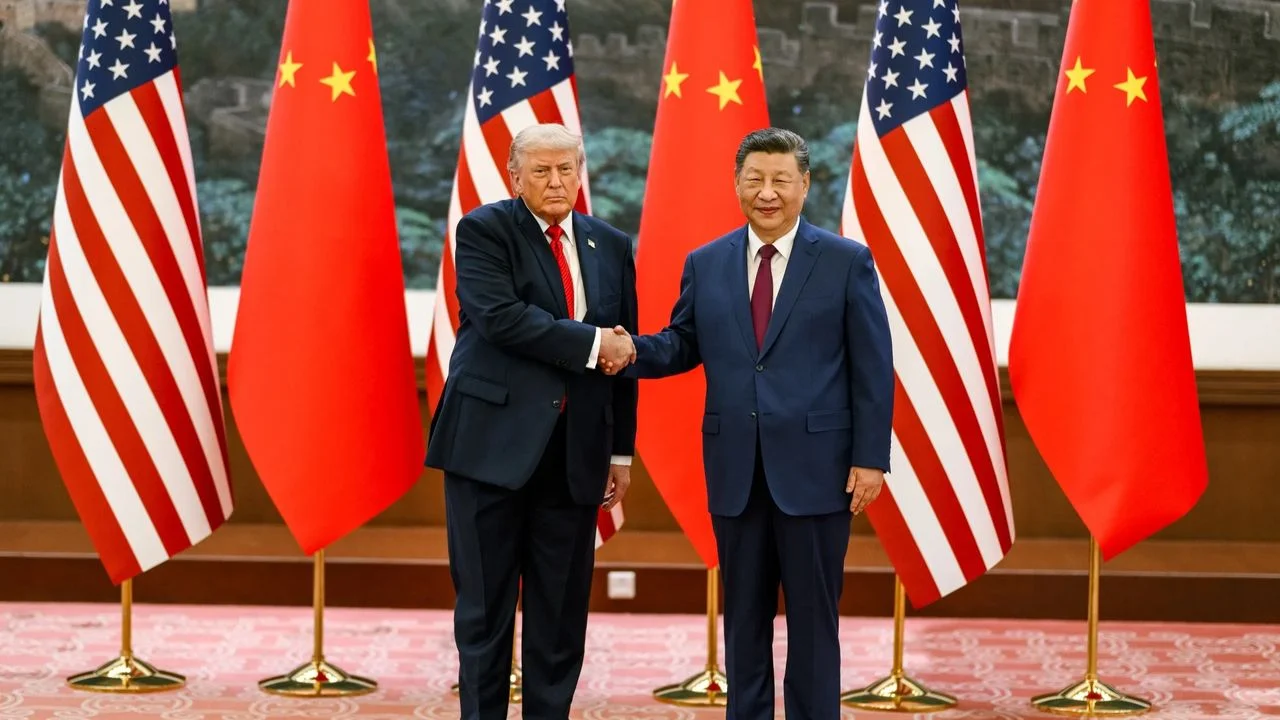
握經濟籌碼的中國是朝鮮最大、最重要貿易夥伴,可勸導朝鮮重返談判。問題在於中國是否願意動用這一影響力。因此,特朗普9月與中國國家領導人的會晤,很可能會成為美方游說中方、促使金正恩重回談判的場合。若高層友好互動能夠影響朝鮮的談判選擇,那麼這次中美元首會面意義重大,或將促成又一次特朗普─金正恩峰會。
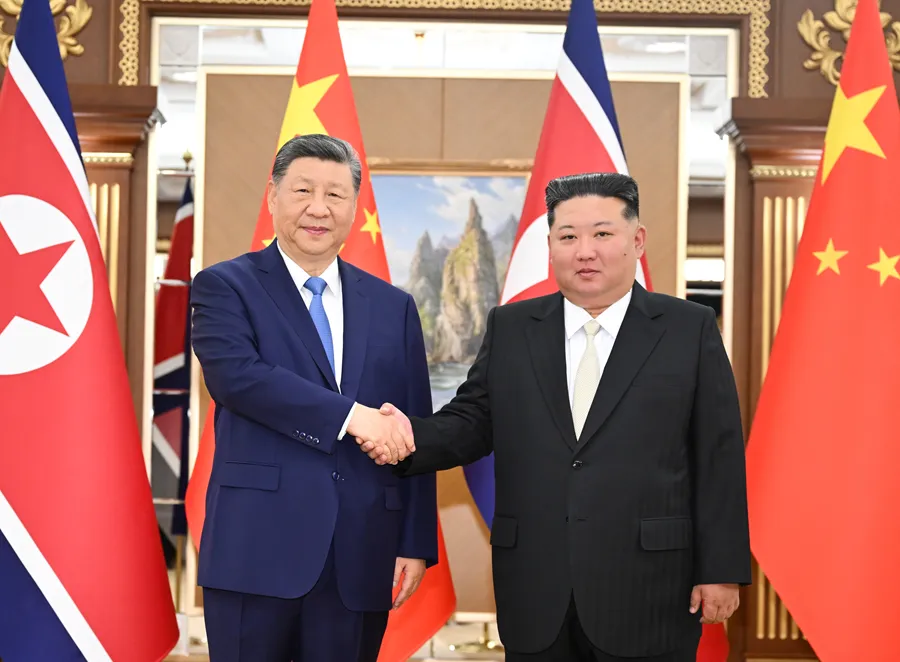
特或借會晤增選舉勝算
部分分析認為特朗普有個人動機,希望在2026年底美國中期選舉前實現朝美首腦會晤,重大外交成果能夠增加共和黨支持率。但金正恩是否願意成全特朗普的選舉訴求,仍有待觀察。朝美峰會的時機至關重要。
朝鮮將本國在俄烏戰場的人員犧牲,視作捍衛朝俄軍事同盟的英勇民族主義行動。在此心態之下,即使特朗普希望朝鮮減少介入俄烏戰事,金正恩也很難妥協。朝鮮從俄羅斯獲得實戰經驗、技術回饋與經濟報酬。除非特朗普的交易型外交能給出足夠誘人的經濟條件,否則平壤不會在俄烏問題上讓步。
綜上所述,美國擁有若干交易型外交工具,可以拋出實質經濟籌碼推動朝鮮核外交重回談判桌。但該套策略將給東北亞安全各方──韓國、中國、日本、俄羅斯,帶來巨大地緣連鎖後果。
中國的角色十分關鍵,半島爆發戰爭將直接損害中國利益,因此中方優先追求半島和平穩定。俄烏衝突背景下,朝俄軍事綁定加深,進一步抬高談判門檻。特朗普與中方領導人會晤,是撬動朝鮮回到談判的重要窗口,但朝鮮手握核籌碼,不會輕易妥協。協助特朗普決策的智庫應當繼續完善策略,推動各方走向共贏的和平共處結局。
US response to North Korea’s nuclear diplomacy: Transactional options and geopolitical implications
The recent offer of US President Donald Trump to discuss with North Korean leader Kim Jong Un on the question of reportedly fifty-seven nuclear weapons possessed by North Korea is diplomatically significant, for Pyongyang’s nuclear weapons development has already raised the alarm of the US. As such, the US reactions will have profound impacts on the geopolitics of Northeast Asia, including the security interests of South Korea, Japan, China and even Russia.
South Korean sources have mentioned that North Korea possesses eighty to one hundred nuclear weapons, while President Trump’s remarks pointed to fifty-seven nuclear weapons possessed by North Korea. Regardless of the number of nuclear weapons developed by Pyongyang, North Korea appears to have no urgency in discussing with President Trump over its nuclear weapons.
Kim Jong Un has recently demanded that North Korea’s nuclear power status should be recognized, and his government is treating South Korea as a “hostile” and an “enemy” state. As North Korea possesses a significant number of nuclear weapons, its leverage over the US has increased considerably. The bargaining power of North Korea in 2026 is vastly different from the 2018 Singapore Summit during which North Korea and the US signed a joint agreement with the consensus on the denuclearisation of the Korean Peninsula. At present, North Korea is uninterested in the issue of denuclearisation – a position contrary to South Korea and Japan.
Geopolitical friction and regional security
The move by President Trump on August 16 to shorten the military drills with South Korea from eleven days to five days appeared to placate North Korea. Yet, North Korea did not appear to give in to the US-South Korean Ulchi Freedom Shield exercise. On August 20, North Korea fired ten short-range ballistic missiles into the sea as a sign of protest. Obviously, North Korea played hardball and did not appear softer even if the US and South Korean sides reduced the length of the Ulchi Freedom Shield exercise. If Washington adopts any transactional diplomacy on North Korea, Pyongyang will follow suit. In other words, if the US discusses with North Korea over the latter’s nuclear weapons programme, the latter will not make any concessions easily.
Although North Korea has rapidly developed nuclear weapons, it has not used any proxy, unlike the case of Iran that mobilized its proxies like the Houthis and Hezbollah to attack or encroach upon any US military presence. Perhaps partly because of the relationship between President Trump and Kim Jong Un, and perhaps mainly due to the self-restraint of North Korea, conflicts in the Korean Peninsula are fortunately non-existent so far. The self-restraint exercised by North Korea and the reluctance of all sides – South Korea, China, Japan and the US – to witness conflicts are the twin factors maintaining peace and stability in Northeast Asia.
Still, North Korea’s possession of nuclear weapons has immediate ramifications for the security of South Korea and Japan. Although South Korea has been working with the US to operate joint command forces and produce nuclear deterrence guidelines to deter the North Korean nuclear threat, South Korea appears to refrain from developing nuclear weapons as it supports denuclearisation officially. As such, South Korea has limited options in dealing with North Korea, except for relying on its military patron the US to negotiate with North Korea, and appealing to China to bring North Korea to the bargaining table.
Arguably, to defend itself against the North Korean nuclear threat, the South Korean military may have to consider developing a nuclear weapons alternative. Public opinion in South Korea has shown that 76 per cent of Koreans support South Korea’s move to develop its nuclear arsenal (Bulletin of the Atomic Scientist, April 8, 2026).
However, South Korea may find both the US and China diplomatically unreliable in dealing with North Korea. President Trump’s unpredictability in his foreign policy toward North Korea will likely bypass the South Korean leadership, and his transactional diplomacy implies that South Korea must pay more for US weapons. At the same time, South Korea sees China as being reluctant to push North Korea back to the bargaining table. After all, North Korea has no incentive to talk to the US, at least for the time being.
Economic incentives and pathways to dialogue
What are the incentives that can be used by the US to appeal to North Korea to return to the bargaining table? Arguably, the US should reconsider an entire economic package, like the resumption of the Kaesong industrial zone, which lasted from 2004 to 2016 after the historic 2000 summit between North Korean leader Kim Jong Il and South Korean President Kim Dae Jung, to encourage the North Korean leadership to return to dialogue.
Arguably, economic re-engagement with North Korea is the most feasible short-term strategy that can be adopted by the US. The reopening of the Kaesong industrial zone will allow socio-economic interactions between the two Koreas, help marketise North Korea gradually, and perhaps become a move conducive to peaceful coexistence between North Korea and South Korea.
Another important incentive that can perhaps bring North Korea back to dialogue is to offer to lift economic sanctions on North Korea, not immediately but by stages, if Pyongyang decides to discuss its nuclear weapons programme with Washington.
Ultimately, the US side will have to explore the path toward North Korea’s peaceful coexistence with South Korea, especially as peaceful coexistence is and will be in the common interest of all parties in the Korean Peninsula, including the US, China, Russia, Japan, South Korea and North Korea.
Therefore, allowing the International Atomic Energy Agency (IAEA) to inspect North Korean nuclear sites will arguably be the first step in the direction of peaceful coexistence. The term denuclearisation will likely be politically unacceptable to North Korea, while it will be articulated and demanded by South Korea and Japan. As such, a mid-term solution is perhaps to avoid using the term denuclearisation in the short run, but to utilise a more neutral term like peaceful coexistence, which is perhaps acceptable to all stakeholders. Peaceful coexistence is the realistic objective, while denuclearisation may have to be seen as a distant long-term ideal.
In short, the US and South Korea can offer to help North Korea reopen the Kaesong industrial zone, while the US can also offer to lift economic sanctions on North Korea in exchange for Pyongyang’s agreement to allow the IAEA to inspect its nuclear sites.
Multilateral trade frameworks and regional alliances
On the other hand, South Korea can consider working with China to set up a free trade economic zone in Northeast Asia, ideally together with Japan eventually. At present, given deteriorating Sino-Japanese relations over remarks made by Japanese Prime Minister Sanae Takaichi regarding Taiwan in November 2025 (stating that any Chinese attack on Taiwan would be an “existential crisis” for Japan), such a free trade zone cannot be easily established between South Korea, China and Japan. However, in the short run, South Korea can perhaps engage China to set up a free trade zone through which North Korea will later be invited to join the bloc.
Japan’s participation in the Northeast Asia Free Trade Zone will indeed be beneficial to Northeast Asian economic prosperity, making it more economically attractive for other Asian states to consider joining the capitalist bloc eventually. Unlike ASEAN, which binds Southeast Asian states together in an economic and pragmatic union, Northeast Asia lacks such a regional economic bloc that can and will lure North Korea’s long-term economic participation, especially if North Korea’s economic situation oscillates from the current economic boom to a more uncertain and unstable scenario.
Indeed, relations between North Korea and Japan encounter diplomatic hurdles. Japan sees North Korea as a real security threat as the latter fires missiles into the sea from time to time, apart from the historical legacy of Pyongyang’s abduction of Japanese citizens to North Korea (12 of the 17 abducted Japanese citizens have not yet returned home). North Korea has recently criticised Japan for rapid military rearmament. Kim Jong Un’s sister, Kim Yo Jong, accused Japan of trying to revive the ambitions of “a war criminal state” (Bloomberg, August 5, 2026). Profound mutual distrust and the lack of diplomatic relations have made Japanese-North Korean relations difficult.
Given historical animosity between Japan and North Korea, it can indeed be argued that Japan’s participation in a free trade zone composed of China and South Korea will not necessarily incentivise North Korea to join. Ideologically, North Korea sees both Japan and South Korea as falling under the “imperialistic” intentions and influence of the US. As such, even if a free trade zone were established between South Korea and China, North Korea would perhaps be ideologically reluctant to join unless Pyongyang were deeply affected by a sudden economic downturn.
Rearmament and great power dynamics
Both South Korea and Japan are relying on the US for military protection and deterrence against North Korea’s nuclear threats. However, there are signs that Japan has begun to increase its armaments without depending heavily on the US, while South Korea has also produced its own weapons to defend itself against North Korea. Japan is acquiring 400 US-made Tomahawk cruise missiles and developing home-grown weapons to strengthen its defensive capabilities versus North Korea. The nuclear weapons possessed by North Korea have already triggered Japanese military rearmament, which naturally incurs criticism from both North Korea and China.
On the other hand, if President Trump adopts transactional diplomacy to demand that South Korea shoulder more responsibility for its military expenditure, it is only a matter of time before South Korea accelerates its rearmament, expands its own military programs, and adopts the option of nuclear deterrence, even though current official rhetoric supports denuclearisation.
China’s position on North Korea is critical to peaceful coexistence in the Korean Peninsula. South Korea has already lobbied the Chinese mainland to function as a go-between and persuade Pyongyang to talk to Seoul on peaceful development. Some critics of Chinese foreign policy maintain that China is eager to maintain North Korea as a buffer state against the US-led alliance composed of South Korea and Japan.
Arguably, this is a long-held conspiracy perspective regarding China’s intention to keep North Korea as a buffer against Western allies. If the Chinese mainland is eager to reunify Taiwan, then China arguably remains open-minded to embrace a scenario in which both North Korea and South Korea are reunited one day, although this scenario appears difficult and impossible in the short run. The bottom line for China is to maintain peace in the Korean Peninsula; any military conflicts would deeply affect China’s northeast provinces—a scenario detrimental to the interests of the Chinese mainland.
The developmental model of East Germany, which collapsed in November 1989 and reunited with West Germany in October 1990, cannot work in the current standoff between the two Koreas. The collapse model of East Germany would be extremely dangerous to the security of Northeast Asia because handling nuclear weapons in North Korea requires stable governance and strong leadership. As such, the peaceful coexistence model between South Korea and North Korea, as advocated by South Korean President Lee Jae-myung, is arguably the best and most feasible one; the challenge is how to move all parties toward peaceful coexistence.
Strategic implications of the Russo-Ukrainian conflict
Given that China is North Korea’s most important and largest trade partner, it holds the economic power to lobby North Korea to return to the bargaining table. The question is whether China will be willing to do so. As such, President Trump’s September meeting with Chinese President Xi Jinping will likely be an occasion for the former to lobby the latter to persuade Kim Jong Un to return to the table. If top-level friendship is a crucial factor influencing North Korea’s move to return to dialogue, the Trump-Xi meeting will be an important one, hopefully bringing about another historic Trump-Kim meeting.
Some commentators believe that President Trump has a personal stake in meeting Kim Jong Un before the US elections by the end of 2026, because holding such an important meeting would likely boost the popularity of the Republican Party. It remains to be seen whether Kim Jong Un would really like to help Trump boost his presidential popularity. The timing of any Trump-Kim meeting will be crucial.
If President Trump meets Kim Jong Un, it remains unknown whether the former will lobby the latter for a more diluted form of North Korea’s military involvement in the Ukrainian war. North Korea’s military alliance with Russia led to Pyongyang deploying an estimated 11,000 to 14,000 soldiers to the Ukrainian war, of whom 2,200 to 2,300 reportedly died. While there were reports that North Korean weapons were initially less effective,
North Korean and Russian militaries have reportedly addressed those issues. Still, North Korea views its military sacrifice in the Russo-Ukrainian war as a heroic and nationalistic action protecting the Pyongyang-Moscow military alliance. If so, even if President Trump wants to see reduced North Korean involvement in the Ukrainian war, Kim Jong Un would not be willing to make concessions. After all, North Korea gains combat experience, technological know-how, and financial transactions from Russia through its involvement in the conflict. Unless President Trump’s transactional diplomacy is economically attractive enough to North Korea, Pyongyang is unlikely to make concessions regarding its military entanglement in the Russo-Ukrainian war.
From a strategic perspective, Russia will not be pleased to see a meeting between Trump and Kim, as the military alliance between Russia and North Korea is expected to remain solid and untouched by third parties. Geopolitically, Russia may prefer to retain North Korea as an ideological and military bulwark against the US-led alliance composed of South Korea and Japan. Russia’s war in Ukraine has already deeply alarmed Japan, especially given territorial disputes over the southern Kuril Islands (known as the Northern Territories in Japan). Geopolitically, Russia will view any Trump-Kim meeting with suspicion and caution.
Future prospects
President Trump’s offer to talk to Kim Jong Un over North Korea’s nuclear weapons programme signals a de facto, if not de jure, recognition of Pyongyang’s nuclear weapons status—a demand recently made by Kim Jong Un.
Such a gesture appears designed to lure Kim back to the bargaining table, even though the North Korean leadership has not yet indicated a positive posture towards dialogue with the US over its nuclear development. Arguably, the US should re-engage North Korea economically by offering to reopen the Kaesong industrial zone and slowly lifting economic sanctions stage by stage. In exchange, North Korea should allow the IAEA to inspect its nuclear sites, with technical details deferred to a subsequent stage of negotiations.
On the other hand, to enhance US economic re-engagement with North Korea, South Korea should consider accelerating the establishment of a free trade agreement and organisation with China. Eventually, once North Korea opens and liberalises its economy, Pyongyang may be lured to join the capitalist free trade zone, thereby accelerating the pace and broadening the scope of marketisation in the North Korean economy. Economic re-engagement and enhanced socio-economic interactions with North Korea will deepen Pyongyang’s marketisation, open its economy further, liberalise its society, and hopefully lead to a peaceful coexistence scenario in the Korean Peninsula.
North Korea’s progress in developing nuclear weapons has already triggered trepidation in Japan, which views military rearmament as necessary to protect Tokyo’s national security against nuclear threats. South Korea officially supports denuclearisation, but eventually, it must rely more on its own nuclear deterrence rather than depending excessively on the US against an increasingly powerful North Korea. China is eager to see the peaceful coexistence of all stakeholders in Northeast Asia, but it must lobby North Korea toward maintaining peace in the Korean Peninsula.
If peaceful coexistence is in the common interest of all parties in Northeast Asia, the think tanks assisting President Trump should strategize further and make efforts to achieve this ultimate objective, ultimately reaching a win-win scenario for all stakeholders. The US has the transactional options of providing concrete economic incentives to deal with North Korea’s nuclear weapons diplomacy and bringing Pyongyang back to the negotiating table. These transactional options will have tremendous geopolitical implications for other stakeholders in Northeast Asian security: South Korea, China, Japan and Russia.
原刊於澳門新聞通訊社(MNA)網站,本社獲作者授權轉載。(原文按此)