

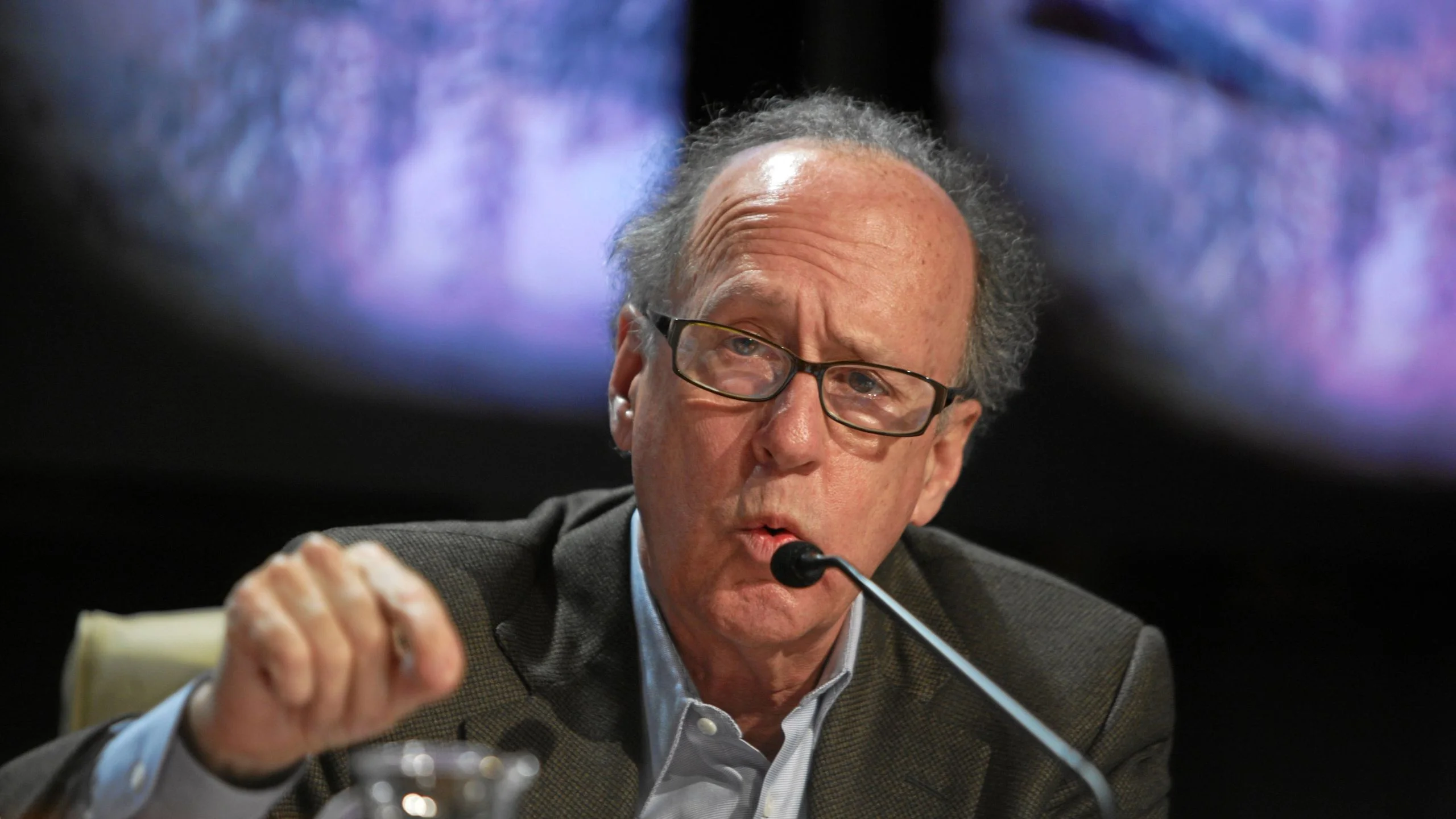


摩根士丹利亞洲區前主席羅奇有一點說對了:舊香港的發展模式已然落幕。然而,當羅奇為舊時代寫下悲觀悼詞之際,我們更應看清這是一場破繭成蝶的轉型蛻變。他混淆了「舊增長模式的終結」與「整座城市走向衰亡」的等價概念。香港當下面對的挑戰,從來不是拋棄舊路的速度過快,而是搭建全新發展體系的步伐不夠迅速。
香港過去的繁榮是建基於一套早已不合時宜的發展公式:一個緊扣環球金融的自由放任體系、高度依賴地產業的經濟結構,以及充當內地與西方橋樑的角色。這套模式曾帶來數十年的榮光歲月,但其邊界局限亦日漸顯現。如今更為艱巨的課題,是如何重新定義香港──不再執念於懷舊式的邊緣據點,而是將其打造成面向未來的發展試驗田。
若將舊有發展框架的動力衰竭,誤讀為城市的徹底沉淪,便是未能看清核心。香港從未走到盡頭,而是在重構其發展體系。真正值得探討的,從來不是生存與否,而是香港能否擺脫發展惰性、全力推動革新。當下最緊迫的事,絕非緬懷已成過去的舊模式,而是規劃全新藍圖:
打造多元經濟:擺脫對地產與金融的單一依賴。
承擔獨特角色:在國家的硬科技轉型浪潮中發揮關鍵作用。
重塑城市定位:建構契合新世代發展訴求的全新城市面貌。
新人口浪潮重構本土精英格局
羅奇悲觀論調的最大誤區,在於將內地專才的持續湧入,曲解為香港獨特性的侵蝕。事實上,人口流動向來是香港迭代革新的核心引擎。回顧歷史每一輪關鍵轉折,一批又一批新來者重構本土精英格局,為經濟注入全新發展動能,推動經濟煥發新生:
第一波浪潮(1946–1949年):內戰期間及戰後,大批上海實業家攜帶資金、技術與商業網絡南下,迅速掌控紡織與航運業,帶領香港從轉口港蛻變為全球製造樞紐。
第二波浪潮(上世紀60、70年代):近百萬廣東居民抵港,成為本地製造業黃金期的工業化根基,搭建起帶動經濟起飛的完整生態。
第三波浪潮(現今):大批內地專業人才、優質家族企業與全球人才陸續抵達,帶來成熟的科技知識與風險資本,成為建設北部都會區與創科樞紐不可或缺的要素。
新一輪人口流入,並沒有消弭香港固有的城市底蘊,反而如同過往每一輪遷徙浪潮,為城市帶來全新活力,更新城市內涵。國際學校需求持續攀升,正是香港重新匯聚21世紀競爭所需高質人力資本的最佳證明。
真正挑戰是維持足夠開放與包容
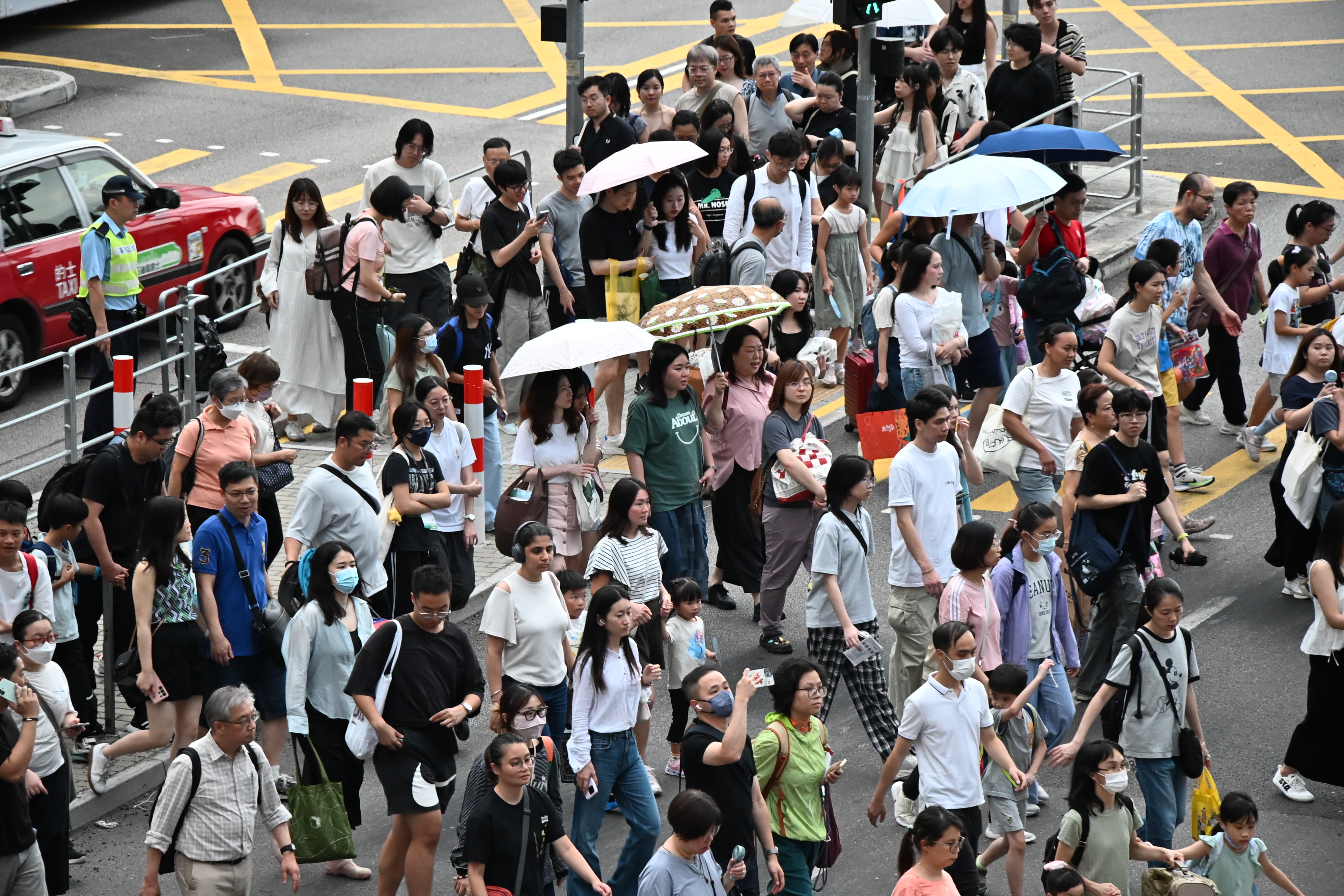
不可否認,現在香港講普通話的人愈來愈多,卻絕非本土文化消逝的徵兆。隨着香港回歸祖國將滿30周年,人口結構也因應時代自然轉變。面對地緣政治帶來的外籍人士結構變化,香港真正的挑戰從來不是抗拒改變,而是維持足夠的開放與包容,持續接納來自全球各地的多元人才。
在產業與資本層面,外界曾質疑香港首次公開招股(IPO)市場喪失國際屬性,這實則完全誤讀了港股的歷史根基。港股自上世紀90年代起,核心使命便是引導國際資本投入中國的成長浪潮。如今,上市企業結構已從傳統的國企與銀行,升級為硬科技、電動車與生物科技企業的主場。2026年AI熱潮帶動新股發行全面火爆,散戶與國際投資者大舉重返,用實際行動證明了香港在全球科技金融前沿的不減魅力。
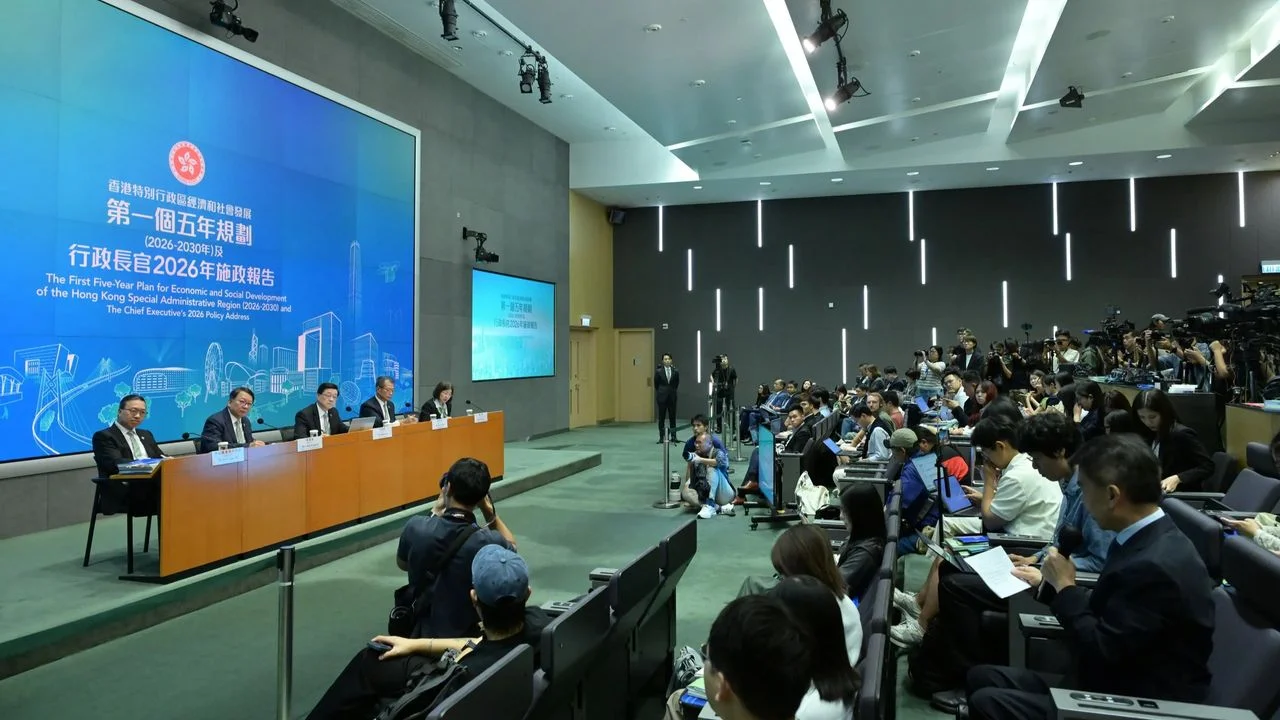
結合中央政策扶持與國際投資者持續旺盛的需求,香港正展現出獨一無二的雙向平台定位。面對全球競爭,香港更首次打破「積極不干預」的固有理念,推出涵蓋重點產業、土地統籌與跨境基建的中期發展藍圖:
新界北部都會區:全力打造與深圳聯動的創科走廊。
智慧與自主系統:開放無人機與城市空中交通監管沙盒,成為亞洲自主系統測試示範基地。
科研成果轉化:財政預算設立專項資金,推動智慧製造、AI研發及生物科技中心的成果商業應用。
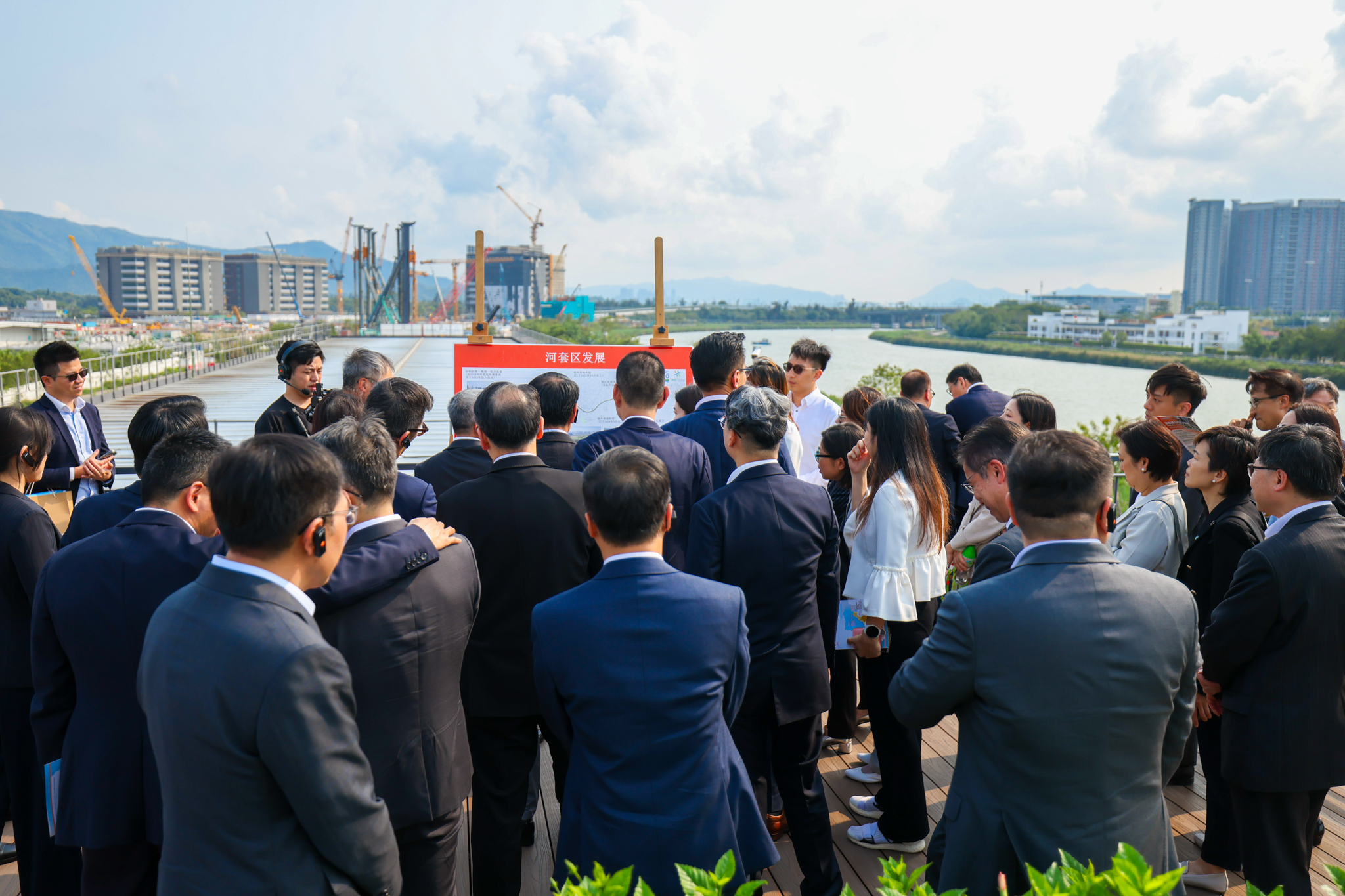
從超級聯繫人到超級增值人
香港可以借鑒其他科技強地的轉型經驗,但其獨特的競爭優勢在於:從貨物與資金雙向流動的「超級聯繫人」,升級為規則與標準領域的「超級增值人」。 憑藉完備的法律體系、成熟的仲裁服務與發達的金融基建,香港正逐步在數碼資產、AI監管、跨境數據流通及綠色金融等新興領域,掌握全球通行準則的規則話語權。
正如證監會與投資推廣署的數據所顯示,海外投資者持續持有龐大資產,落戶的海外母公司數量更創下歷史新高。這證明了環球資本青睞香港,從非出於懷舊,而是源於對其核心競爭力的堅定認可。
舊的發展模式雖然落幕,但香港賴以立足的底層根基依舊穩固。加速轉型步伐,讓香港躍升為亞洲乃至全球的樞紐──讓資本、人才與國際規則在此交匯,這正是全新香港最精彩的開篇。
Old HK is ‘over’ — that’s exactly why a new one can begin
Stephen Roach, former Morgan Stanley Asia chairman, is right on one narrow point: The old Hong Kong has gone. But where he delivers an undesirable eulogy, we should recognize a transition. He confuses the end of a particular growth model with the end of the city itself. Hong Kong’s problem is not that it abandoned its old ways too quickly — it is that it has been too slow to invent new ones.
Hong Kong’s past success rested on a formula that no longer fits today: a laissez-faire economy tethered to global finance, heavy reliance on property, and an identity as a bridge between the Chinese mainland and the West. That model delivered prosperity for decades, but it was always finite. The harder task now is to reimagine the city — not as a nostalgic outpost but as a laboratory for the future.
To mistake the exhaustion of the old paradigm for terminal decline is to miss the point. Hong Kong is not “over”; it is reengineering itself. The question is not survival, but whether the city can break from inertia and embrace reinvention. The urgency lies not in mourning what has gone — the old model — but in designing what comes next: a diversified Hong Kong economy beyond property and finance, a role in the nation’s hard-tech transformation, and a civic identity that speaks to the aspirations of its younger generations.
Much of Roach’s pessimism rests on one concern: the influx of mainland professionals, which is misread as erosion of distinctiveness. In fact, migration has always been Hong Kong’s engine of reinvention. At every critical juncture, waves of newcomers have reshaped the city’s elite architecture and catalyzed economic rebirth. This is Hong Kong’s phoenix moment, and we are witnessing its latest iteration.
The first wave arrived during and after the Chinese Civil War (1946-49). Industrialists from Shanghai brought capital, expertise, and networks, quickly dominating textiles and shipping. They transformed Hong Kong from an entrepot into a global manufacturing hub. The second wave came in the 1960s and 70s, when nearly 1 million migrants from Guangdong province powered the city’s manufacturing boom. They became the backbone of industrialization, creating the ecosystem that drove Hong Kong’s economic takeoff. Many Cantonese migrants who had arrived earlier also rose to prominence, adapting to the demands of a new era. Reinvention defined this transformation. The third wave is unfolding today, driven by mainland professionals, wealthy families, and global talent. They bring technological literacy and risk capital — the ingredients needed to build the Northern Metropolis and position Hong Kong as a tech hub. Rising demand for international schools is not cultural displacement but evidence that the city is once again attracting the human capital required to compete in the 21st century.
Hong Kong’s identity has always been shaped by waves of immigration. The third wave of mainland professionals does not erase the city’s character; it renews it, just as earlier waves did.
Hong Kong can learn from mainland cities and other regional tech powers that have rapidly upgraded into high-tech economies. But its comparative advantage lies elsewhere: evolving from a superconnector of goods and capital into a super-value-adder of rules and standards. Its legal system, arbitration expertise, and financial infrastructure give it leverage to shape global norms in digital assets, AI governance, cross-border data and green finance. This is not about being a passive intermediary — it is about becoming a rulemaker in emerging domains
Yes, more Mandarin is heard on Hong Kong’s streets today, but this is not cultural erasure. Under British rule, the city had more Western expatriates; now, as Hong Kong nears the 30th anniversary of its return to the motherland, its demographics have shifted. For some, the city feels less “exotic” than before, yet that perception is part of its transformation. The challenge is not to resist change but to ensure Hong Kong remains open enough to welcome a broad mix of global talent.
The decline in Western expatriates reflects geopolitics — sanctions and political headwinds have made the HKSAR less convenient for some Western firms, even as mainland and regional talent flows have intensified. A British think tank, the China Strategic Risks Institute, has even urged UK ministers to encourage HSBC and Standard Chartered to relocate out of Hong Kong, underscoring how political pressures drive the change.
Hong Kong’s challenge is not to preserve the old order in amber but to channel its resilience into a new phase of reinvention. What matters is its refusal to be complacent, its determination to defend its position under pressure, and its capacity to remain a magnet for talent worldwide.
Against this backdrop, the claim that the HKSAR’s initial public offering market has “lost” its global character misreads its historical foundations. The exchange was never designed to operate purely as a neutral bazaar for non-Chinese issuers; from the emergence of formal mainland enterprise listings in the early 1990s, its defining role has been to channel international capital into the China growth story. Even at the supposed peak of international listings — Prada, Samsonite, L’Occitane — the logic was the same: They came because the Chinese mainland was their primary growth engine. The HKSAR’s globality lies in its investor base, not its issuer mix, and today, capital is flowing in with renewed force through artificial-intelligence and hard-tech listings, entrepreneurs returning from Singapore, and funds redirected amid geopolitical shocks. Investors are voting with their capital, and they are voting for the HKSAR.
What has changed is the composition of issuers: The old market of State-owned enterprises and banks has given way to hard tech, electric vehicles and biotech firms. This is not a decline but an upgrade. The euphoric artificial-intelligence-driven IPO surge of 2026, with oversubscribed retail demand and international investors piling back in, shows Hong Kong is not losing relevance but repositioning itself at the frontier of technological finance.
Beijing’s policy support is part of the story — but combined with international investor demand, it is precisely what makes the HKSAR unique: a dual platform where the China growth story meets global capital. The surge signals a deeper structural shift, powered by regulatory reform and strategic industrial policy.
For the first time, Hong Kong has broken with its old dogma of “positive noninterventionism” by introducing a medium‑term development plan. It identifies priority sectors, allocates land, and coordinates cross-border infrastructure — tools long used by Singapore and South Korea, and increasingly adopted by the United States through industrial policies like the CHIPS and Science Act, in its push for AI and semiconductors.
Hong Kong is finally pursuing reindustrialization through technology. The Northern Metropolis is being developed as an innovation corridor linked to Shenzhen. Aviation rules are being revised, and sandboxes launched for drones and urban air mobility, positioning the city as a regional test bed for autonomous systems. The latest budget commits funds to smart manufacturing, AI research, and biotech translation centers, aiming to commercialize university research at scale.
Hong Kong can learn from mainland cities and other regional tech powers that have rapidly upgraded into high-tech economies. But its comparative advantage lies elsewhere: evolving from a superconnector of goods and capital into a super-value-adder of rules and standards. Its legal system, arbitration expertise, and financial infrastructure give it leverage to shape global norms in digital assets, AI governance, cross-border data and green finance. This is not about being a passive intermediary — it is about becoming a rulemaker in emerging domains.
According to the Securities and Futures Commission’s 2025 survey, overseas investors still account for the majority of assets under management, with Europe and North America being significant contributors. Invest Hong Kong also reported a record number of foreign parent companies operating in the city. These figures show that global capital continues to choose Hong Kong — not out of nostalgia, but because of its enduring strengths.
The old model is gone, but the foundations remain. The task now is acceleration — so the HKSAR emerges not just as China’s international city but as Asia’s global city, where capital, talent, and rules converge to help shape the next chapter of China’s rise.
原刊於中國日報國際版網站,本社獲作者授權轉載。(原文按此)