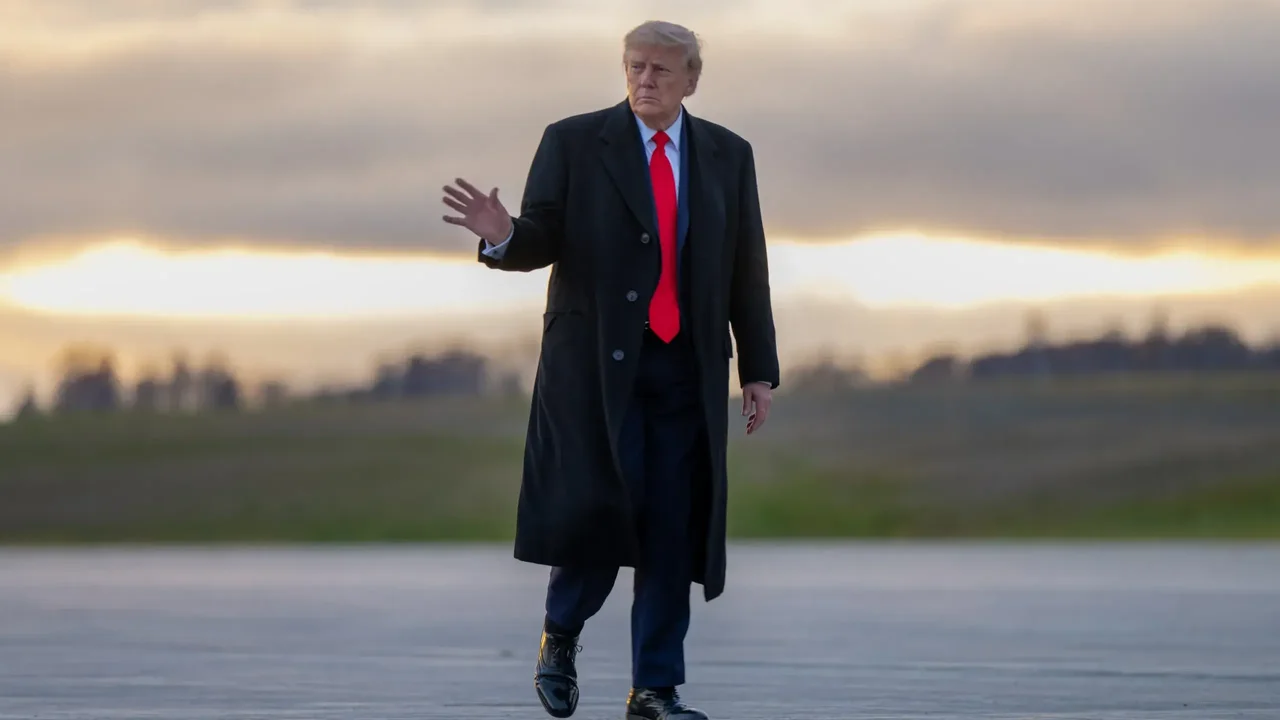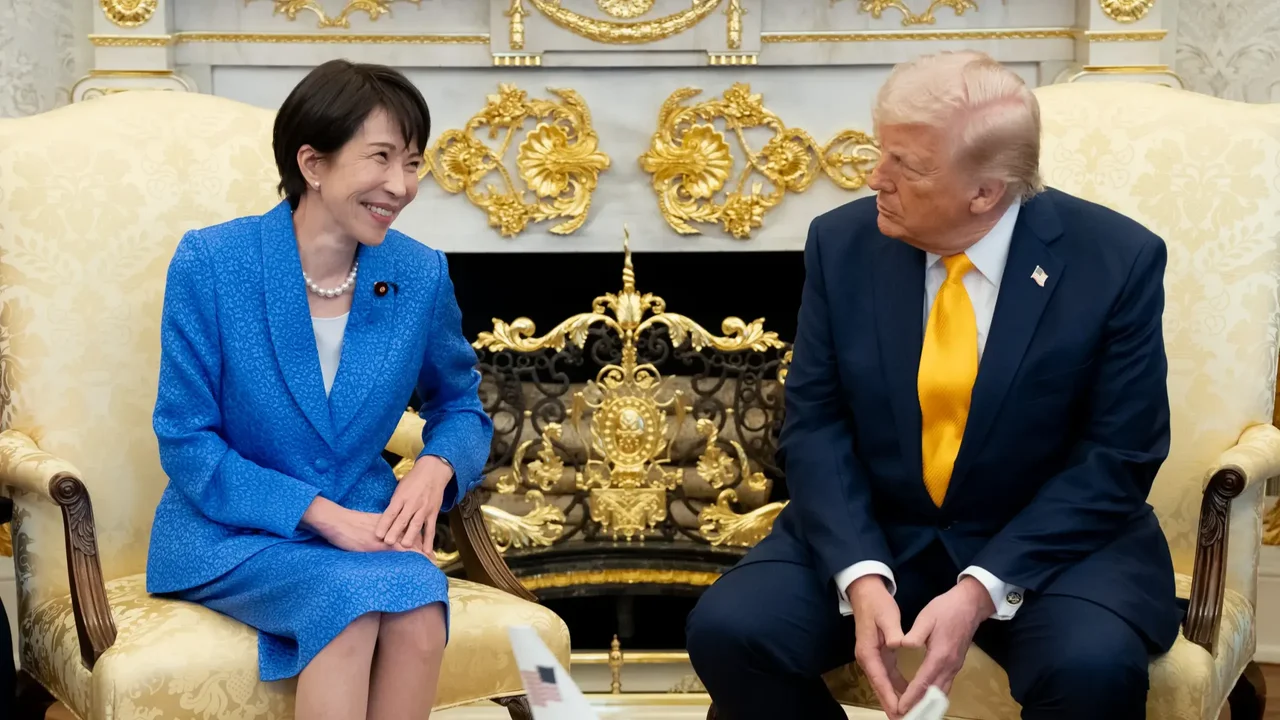





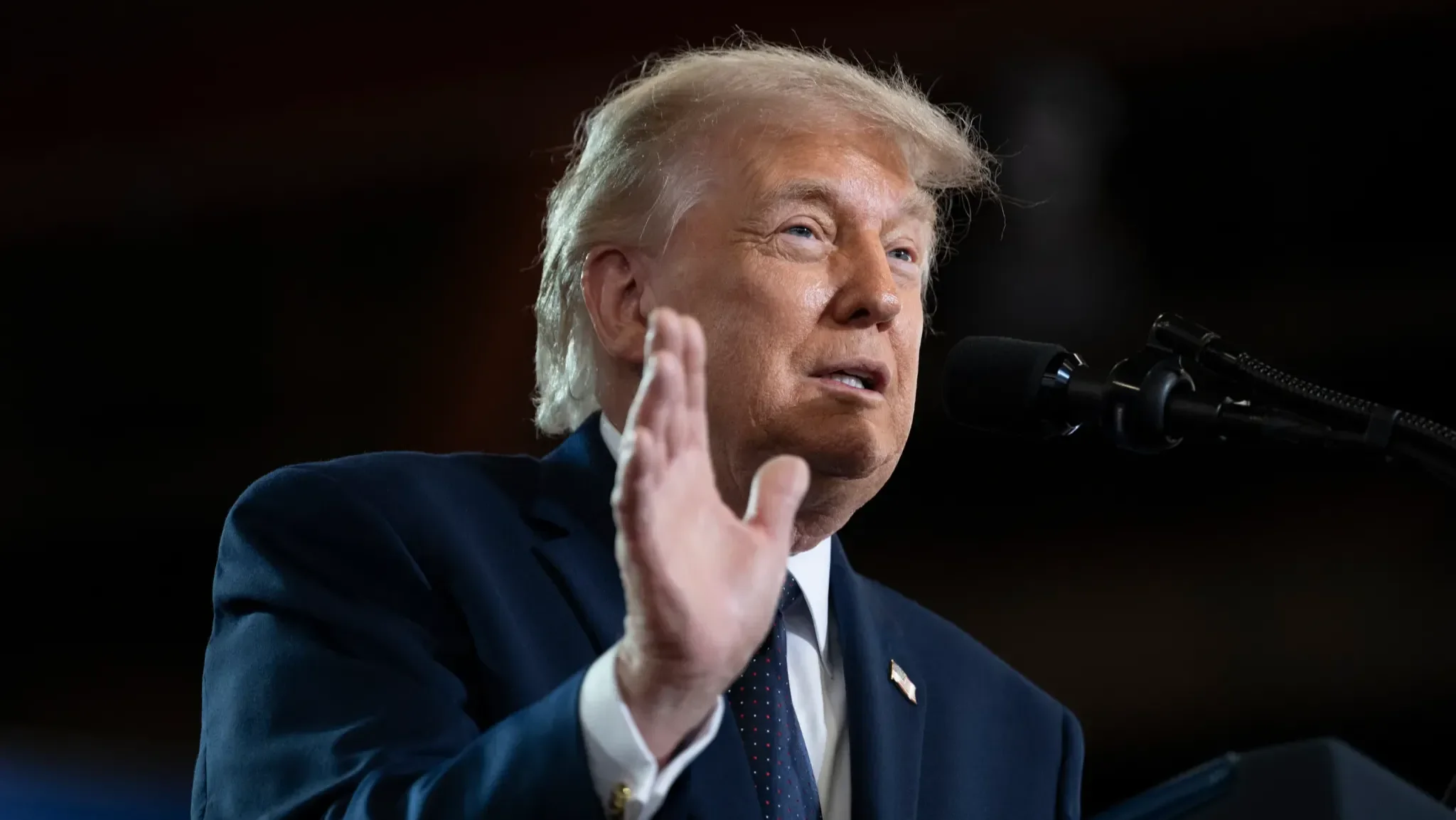


近期特朗普訪華,再度引發外界熱烈討論。2025年初特朗普再度上台執政之初,其政府對華態度強硬,同時一貫偏袒台灣。然而,在2026年5月特朗普完成訪華行程後,美方態度出現微妙變化,特朗普一方面稱重新考量對台軍售問題,另一方面也反對台灣島內台獨分裂勢力,開始正視台灣問題的政治走向。
不過,特朗普表態有意與台灣地區領導人、民進黨主席賴清德會面,引發中方強烈不滿,中方隨即向美方提出嚴正警告。
中方核心訴求之一,便是要求美方終止對台軍售。面對2028年台灣總統選舉的倒數階段,特朗普政府能否借助交易式外交化解兩岸潛在分歧。
叫停部分對台軍售 為美伊衝突儲彈藥
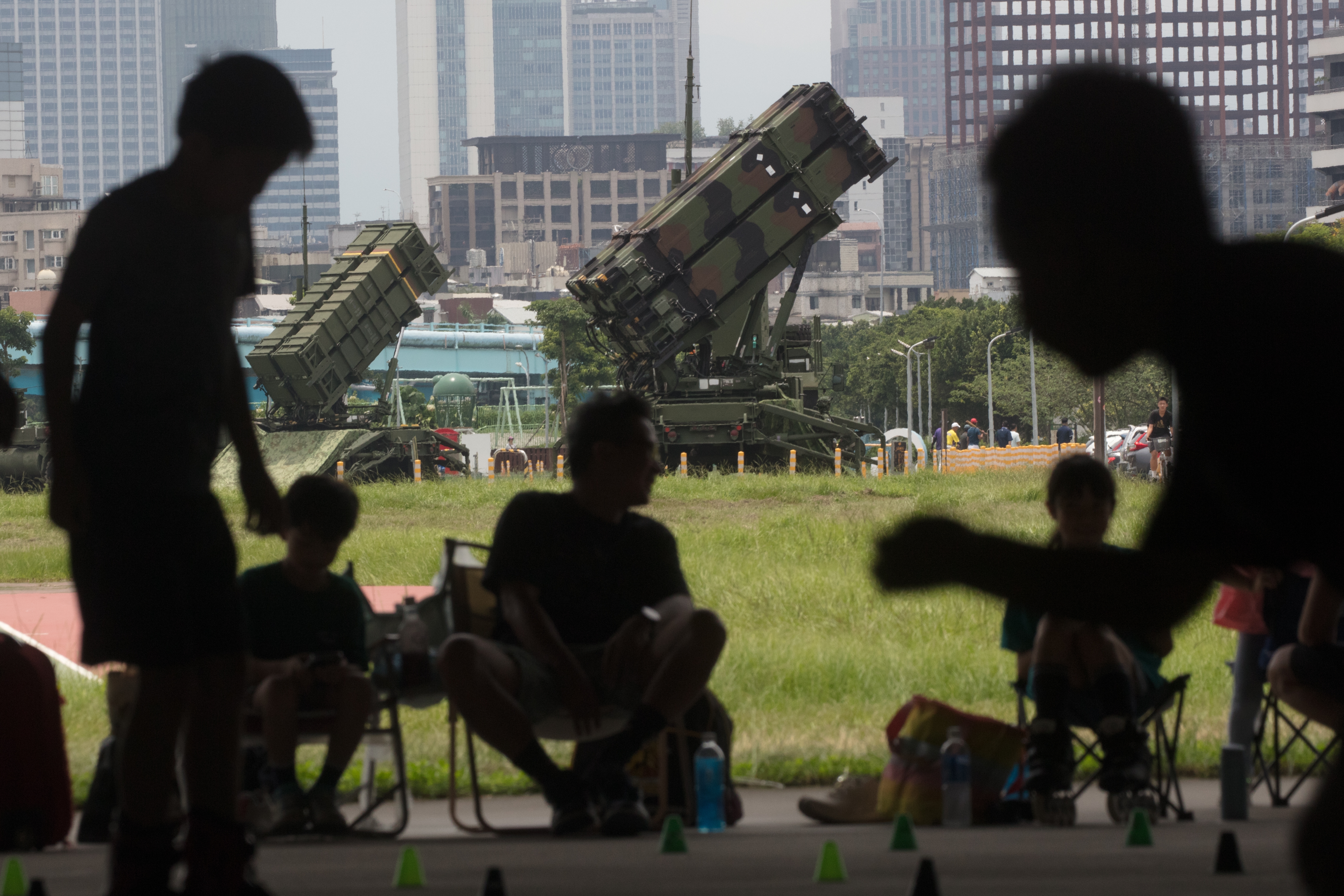
2025年12月,美國批准一筆總額110億美元的對台大額軍售方案,其中包含82套海馬斯(HIMARS)高機動性多管火箭系統 、420枚陸軍戰術導彈系統。中國外交部指出,此舉嚴重違反一中原則,損害中國主權與安全利益,粗暴干涉中國內政。
當下美國正醞釀再次對伊朗實施軍事打擊,局勢緊張。美國代理海軍部長曹洪表示,美方叫停一筆140億美元的對台軍售計劃,是為儲備彈藥、保障對伊軍事行動。縮減對台軍售規模,既能安撫中方,又能抽調軍備應對伊朗局勢,特朗普政府試圖借此一舉兩得。
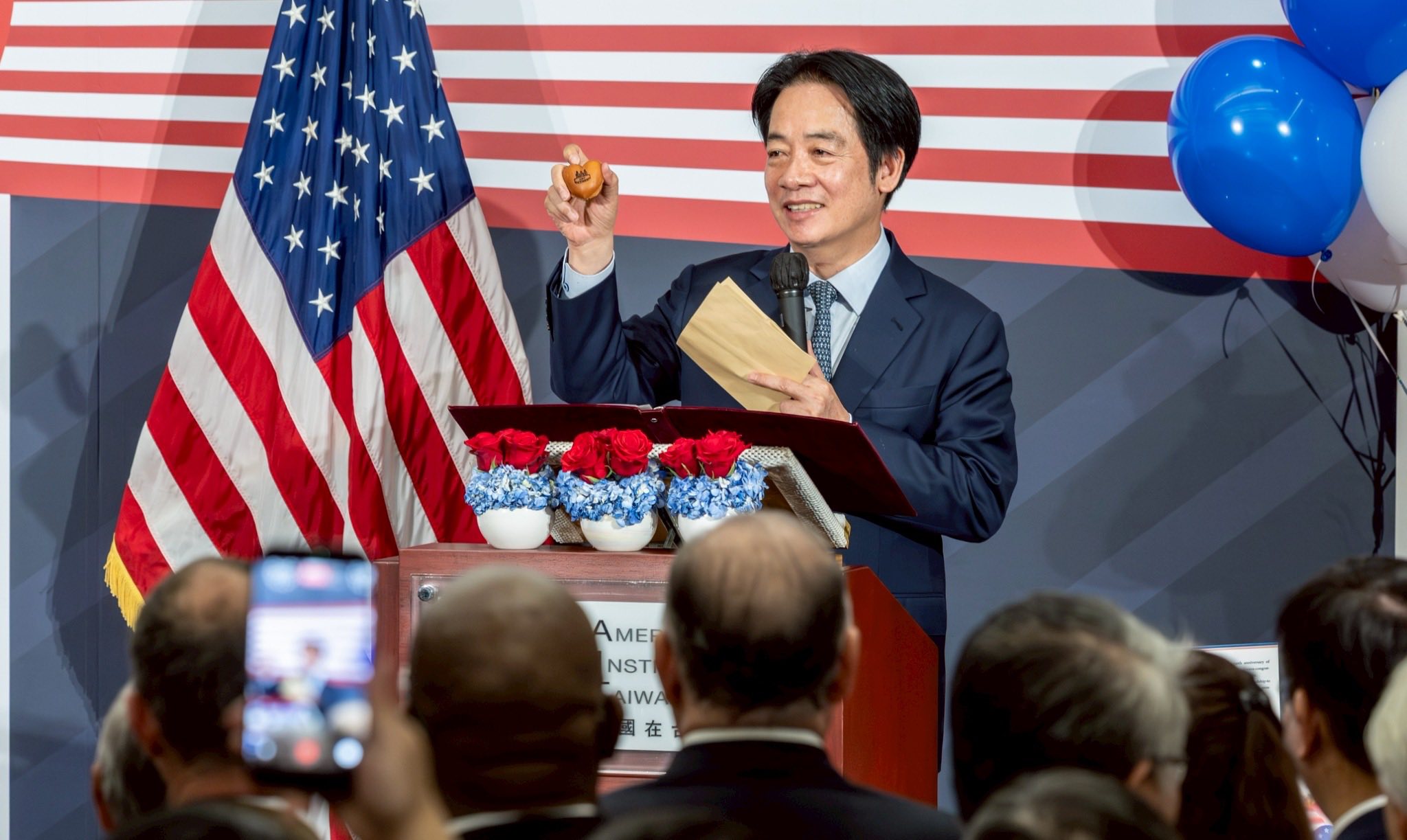
特朗普與賴清德對話 惹中方強烈不滿
中美元首會面期間,中方就對台軍售問題提出交涉。特朗普順勢打算沿用交易式外交,一邊計劃直接接觸賴清德,一邊試圖就台灣問題與中方討價還價。從當下到2026年9月中方領導人訪美,特朗普如何處理台灣問題仍有待觀察,但可以確定的是,美方已準備以交易方式,在台灣問題上與中方展開博弈。
雙方博弈主要存在四種思路:
第一,美方以縮減對台軍售作為籌碼,換取中方作出相應承諾。美方或辯稱對台軍售依據《台灣關係法》,同時尋求中方作出保障台灣安全的表態,例如要求中方承諾放棄使用武力解決台灣問題,而這一要求中方基本不可能接受。
中方的訴求往往不止於美方縮減軍售,更會要求台灣方面接受「九二共識」,以此作為兩岸關係取得突破的前提。在此情況下,美方可能需要額外斡旋:勸說台灣當局開放金門、馬祖,允許兩岸人員往來與旅遊,以此作為改善兩岸關係的臨時舉措;或是施壓民進黨,使其摒棄「台灣為主權獨立國家」的黨綱。
折衷方案可由美方出面,推動金門、馬祖放寬管控、開放大陸遊客赴島觀光,這或將成為兩岸關係微小但積極的突破。如果中方堅持,廈門與金馬地區開展交流必須以台灣接受「九二共識」為前提,那麼第二種博弈路徑會更具可行性。
第二,採取分階段談判模式處理台灣問題。中方2022年發布的台灣問題白皮書,已提及分階段推進兩岸事務的思路。特朗普政府可仿效這一模式,分階段縮減對台軍售。
舉例來看:第一階段,美方削減原定對台軍售規模,同時台灣方面接受「九二共識」;作為交換,中方承諾放棄對台使用武力,並擴大大陸遊客赴金門、馬祖及全台觀光的規模。
若此番博弈達成共識,將成為中美關係與兩岸關係前所未有的突破,但核心癥結在於:中方絕不允許美方插手中國內政、充當兩岸中間人。若中方堅決反對美方介入,那麼第三條路徑便會進入考量範圍。
第三,由第三方國家斡旋。選擇與大陸、台灣均保持友好關係的國家居中調解,秉持中立外交的新加坡便是合適人選,但只要民進黨持續執政、拒不承認「九二共識」,兩岸官方便難以開展接觸,這一局面或將延續至2028年台灣地區領導人選舉、國民黨重新上台為止。
第四,美方暫時縮減對台軍售以緩和兩岸氛圍,靜待2028年台灣地區選舉、國民黨重返執政舞台。而國民黨能否勝出,取決於兩大因素:一是能否與民眾黨組建競選聯盟;二是台灣主流民意是否轉向,開始理性看待兩岸和平統一。
近期民調顯示,認同兩岸和平統一的台灣民眾有所增加。基於此,國民黨的競選綱領勢必會貼合多數民眾避戰求和的心態。務實的競選主張,也將提升國民黨聯合民眾黨贏得選舉、進而與大陸直接對話的概率。
對陷入僵局的朝鮮半島的啟示
若兩岸關係謀求突破,上述四條路徑都值得中、美及台灣各政黨參考。而兩岸問題的解決方案,也會對僵持已久的朝韓關係產生借鑒意義。如今朝鮮已認定南北統一不具備現實可能性,並將韓國視為敵對國家。倘若兩岸關係逐步回暖,朝韓雙方或許也能效仿循序漸進、分步推進的模式改善關係。
朝韓關係破冰的第一步,仍離不開美國從中斡旋。當前朝鮮堅持經濟、政治自主,並大力發展軍事威懾力量,對抗美日韓軍事同盟。2026年1月美國拘捕委內瑞拉前總統馬杜羅,加上近期美以聯手對伊朗採取軍事行動,讓朝鮮在政治、軍事、技術層面高度警惕。
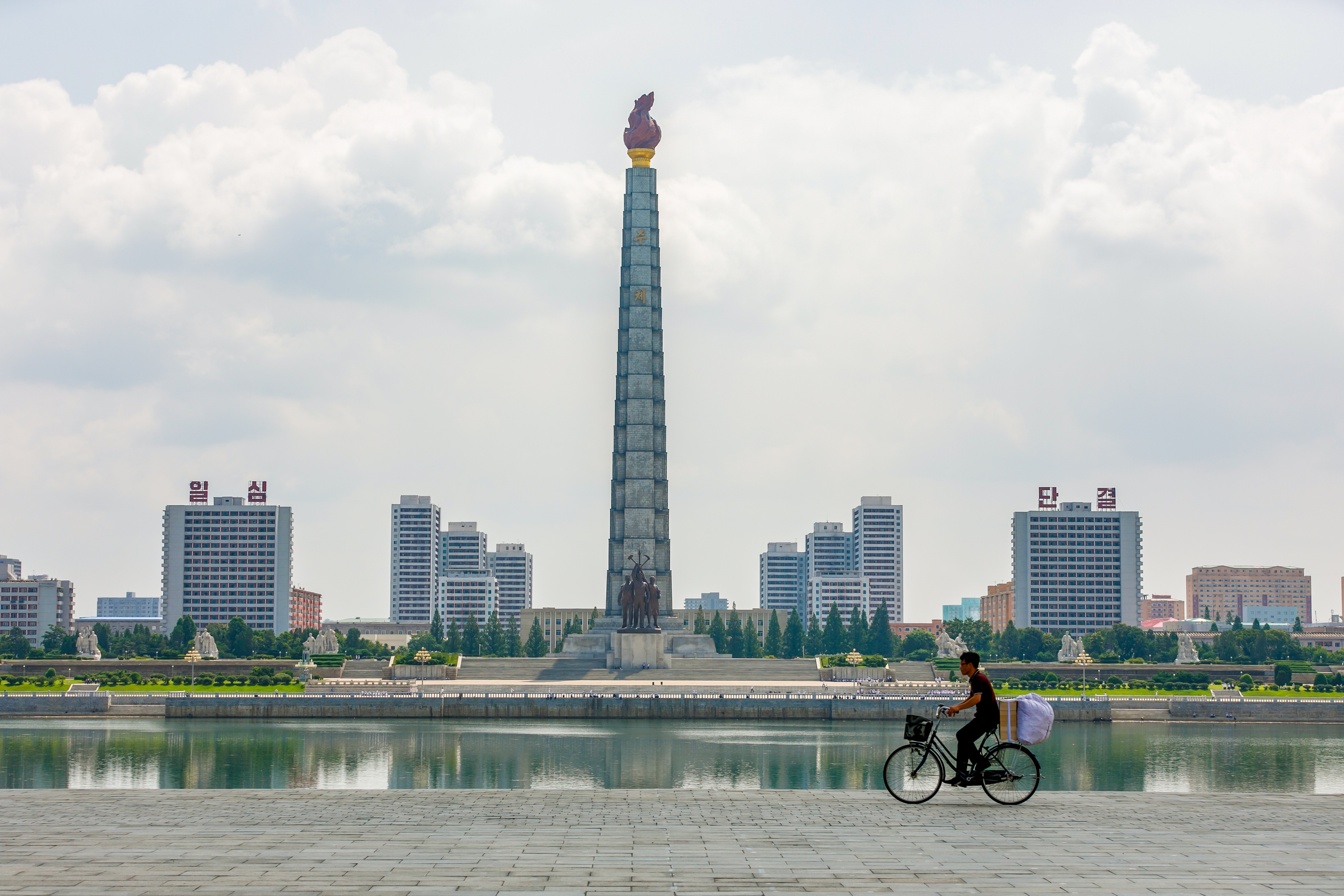
美朝存在天然邊界 斡旋者難奏效
中朝是意識形態與戰略層面的夥伴,中方能夠對朝鮮發揮規勸作用。現任韓國總統李在明也希望借助中方推動朝韓關係緩和。然而,只要朝鮮無意改善對韓關係,中方的斡旋作用便十分有限。
兩岸關係若持續向好,或將對朝韓關係產生連帶積極影響。如今朝韓之間缺少真正有效的溝通中間人:美國深陷伊朗戰事,此前在委內瑞拉、伊朗的行動,也讓朝鮮對美方充滿戒備,不願再就無核化問題與其談判。
多年來外界有關朝鮮政權更迭的預測均落空。若無重大意外,金氏政權依舊保持穩固,意識形態管控嚴密,目前金正恩也已開始培養妹妹金與正、女兒金主愛作為後備力量,朝鮮政權交接局勢趨於穩定。
綜上所述,當前兩岸關係迎來難得的改善契機,而朝韓關係卻陷入前所未有的冰封狀態。兩岸關係取得進展,勢必會對朝韓互動產生正面作用。倘若社會制度不同的大陸與台灣,能夠按照分步模式逐步緩和關係,朝韓雙方也可借鑒經驗,依托美、中等斡旋力量,分階段開展對話、積累互信。
美國仍是影響兩岸關係與朝韓和解的核心力量。特朗普推行的元首外交,看似為打破台海、半島兩大政治困局帶來一絲希望。但一方面中方堅決反對美方干涉內政,美方的調停作用存在天然邊界;另一方面朝鮮不斷走向孤立,也讓美方斡旋難以奏效。
Conflict resolution and transactional diplomacy: From cross-strait relations to the two Koreas
The recent visit of US President Donald Trump to China has reignited the possibility of how the US can adopt its transactional diplomacy to resolve the potential conflicts between the Chinese Mainland and Taiwan at a time when Beijing is asking Washington to stop its arms sales to Taipei. In the coming months leading to the 2028 Taiwan presidential election, the transactional diplomacy of the Trump administration will open the door to various possibilities of cross-strait conflict resolution. If cross-strait relations can take a turn for the better, both North Korea and South Korea will benefit from such experiences, even though recently North Korea has not only abandoned “reunification” as its long-standing objective but also seen South Korea as its “primary foe.”
The US has exhibited slight changes in the second Donald Trump administration’s policy toward both Mainland China and Taiwan. At the beginning of Trump’s return to presidential power in early 2025, his administration showed a publicly hostile attitude toward China and a consistently supportive policy toward Taiwan. Nevertheless, after Trump’s most recent visit to Beijing in May 2026, Washington has appeared to show at least its willingness to address the problem of Taiwan’s political future, firstly by reconsidering its arms sales to Taiwan and secondly by rejecting more strongly the Taiwan forces supportive of “independence” or separatism.
Arms sales and transactional bargaining
Yet, President Trump’s recent remarks that he may talk to the top leader of Taiwan, William Lai of the Democratic Progressive Party (DPP), raised the eyebrows of mainland Chinese leaders, who quickly warned the US against such a move. What is interesting is the demand from China that the US should not provide weapons to Taiwan. In December 2025, the US government approved a massive arms package of US$11 billion to be sold to Taiwan, including 82 High Mobility Artillery Rocket Systems and 420 Army Tactical Missile Systems missiles (South China Morning Post, May 30, 2026). The Chinese Foreign Ministry criticised the US move of violating the one-China principle, undermining Beijing’s sovereignty and security, and interfering with Chinese domestic affairs.
At a critical juncture in which the US toys with the idea of “punishing” Iran by military force again, acting US Navy Secretary Hung Cao said that Washington was stopping the US$14 billion arms package to ensure that the US has the munitions for its operations against Iran. If the arms package to Taiwan can be reduced to shift some of its weapons to deal with Iran, then the Trump administration would kill two birds with one stone: reducing the size of US weapons to be sold to Taiwan to placate the Chinese Mainland and reserving more weapons for the US to tackle the Iranian war.
After President Trump’s recent visit to Beijing, he said that he would speak to Taiwan leader William Lai on the questions of arms sales and Taiwan’s future (Taipei Times, May 21, 2026). Lai remarked that he could speak directly with Trump, adding that Taiwan is committed to maintaining the status quo in the Taiwan Strait and continuing to enhance its self-defensive capability in response to China’s military threat. The Mainland Chinese side expressed its displeasure with Trump’s intention of speaking to Lai, maintaining that the Taiwan issue belongs to China’s internal affairs.
Navigating the routes of cross-strait leverage
However, once President Xi Jinping raised the American arms sales to Taiwan in his meeting with President Trump, the latter naturally intends to adopt his transactional diplomacy and to speak to Lai directly while preparing to bargain with Xi over any possible Chinese concessions on the Taiwan matter. It remains to be seen how President Trump deals with Taiwan from now to the visit of President Xi to Washington in September. But one thing is certain: by adopting a transactional approach to dealing with Taiwan, the US government under the second Trump administration is opening the door to bargain with China over the Taiwan question.
Such bargaining would have several possible routes. First, the US may offer to reduce its arms sales to Taiwan in exchange for China’s guarantee for something, arguing that the arms sales are in line with the Taiwan Relations Act while exchanging something that would perhaps protect Taiwan’s security. Such an exchange may, for example, involve a promise from the Chinese Mainland of not using force to deal with Taiwan – a demand that would likely be rejected by Beijing.
It is possible that Beijing demands something more than just an action of the US to reduce arms sales to Taiwan, like the Taiwan side accepting the 1992 consensus as a precondition for any breakthrough in cross-strait relations. If so, the US may have to consider an additional “incentive” for the Chinese Mainland to accept a reduction of US arms sales to Taiwan, such as lobbying the Taiwan regime to open the Kinmen and Matsu Islands to allow cross-strait visits and tourism as a temporary measure to improve cross-strait relations, or even persuading the DPP to abandon its platform of establishing “the Republic of China as a sovereign, independent and autonomous nation” (see DPP platform: Party_Platform.pdf (dpp.org.tw)).
Staged approaches and regional intermediaries
Yet, the DPP and its supporters would highly likely oppose any such US move, unless they may get the Mainland Chinese guarantee of abandoning the use of force against Taiwan. If this analysis is accurate, then a medium solution of a US lobby for Taiwan to relax its control over Kinmen and Matsu by allowing the islands to interact with mainland Chinese tourists can be a small but positive breakthrough in improving cross-strait relations. However, if China maintains that Taiwan has to accept the 1992 consensus (namely there is only one China) before closer contacts between Xiamen and Kinmen/Matsu, then the second route below may be more feasible.
The second route is to adopt a stage-by-stage approach to bargaining with the Chinese Mainland over the Taiwan issue. If the 2022 White Paper published by China on the Taiwan issue mentioned that a stage-by-stage approach can be adopted, then the transactional diplomacy of the Trump administration may offer to reduce the US arms sales to Taiwan in several stages. For instance, stage one would be characterised by a reduction of the planned US arms sales to Taiwan and Taiwan’s acceptance of the 1992 consensus. These double offers to the Chinese Mainland can perhaps be exchanged for the mainland’s concession of, say, renouncing the use of force against Taiwan while opening the door to more mainland tourists to visit Kinmen, Matsu and the entire Taiwan.
Such bargaining, if successful, would constitute an unprecedented breakthrough in cross-strait relations and US-China relations, but the crux of the problem is whether Beijing would allow Washington to function as a middleman who “interferes” with Chinese domestic affairs. If US intervention is deemed politically undesirable, then a third country’s mediation may be a third possible route.
Political alignments and the 2028 horizon
The third route is the mediation from a country friendly toward both Beijing and Taipei, like Singapore which adopts a “friend to all, enemy of none” diplomacy. Given that Singapore served as a neutral ground for President Xi Jinping to meet the former Kuomintang (KMT) President Ma Ying-jeou in November 2015, it will likely play a crucial role as an intermediary between the two sides in the future. But as long as the DPP is in power in Taiwan and so long as it rejects the 1992 consensus, it would be politically difficult and impossible for the mainland Chinese side to meet the Taiwan side unless the KMT returns to power in the 2028 Taiwan presidential election.
The fourth route is for the US side to use the reduction of its arms sales to Taiwan as a temporary step to improve cross-strait relations, and for Washington to wait for a possible KMT return to power in 2028. Yet, the likelihood of the KMT’s return to power will depend on two factors: whether it can form a coalition with the Taiwan People’s Party (TPP) and whether Taiwan’s public opinion is shifting to a more pragmatic stance of accepting “peaceful reunification” with the Chinese Mainland.
Recent public opinion polls have shown that more Taiwan people have been accepting a model of “peaceful reunification” with the Chinese Mainland. If so, the KMT election platform will have to adopt a slogan that speaks to the reluctance of most Taiwan people to witness any conflict across the Taiwan Strait. Adopting a pragmatic platform would then heighten the chance of the KMT and its coalition with the TPP to grasp presidential power and to talk to Beijing directly.
Implications for the frozen Korean peninsula
The four routes above will perhaps have to be considered by Beijing, Washington and Taiwan’s political parties and their leaders if a breakthrough in cross-strait relations is seriously considered. Any cross-strait solution will likely have implications for the resolution of the currently frozen relations between North Korea and South Korea. Recently, North Korea has regarded reunification as politically impossible and seen South Korea as a “hostile” state. Still, if Beijing’s relations with Taiwan can have a breakthrough, as argued with several possibilities above, a rapprochement between North Korea and South Korea would perhaps be possible by adopting a stage-by-stage and gradualist approach.
Arguably, stage one in the process of warming the relations of South Korea and North Korea has to rely on the US as an intermediary. North Korea is keen to focus on self-reliance, economically and politically, and military deterrence against the military alliance composed of the US, South Korea and Japan (Channel NewsAsia, May 28, 2026). The US capture of former Venezuelan President Nicolás Maduro in January 2026 and the recent US-Israeli war against Iran have alarmed North Korea politically, militarily and technologically.
Hence, Pyongyang’s tendency of adhering to its economic self-reliance and nuclear deterrence is natural. On May 28, North Korea rejected the call of the QUAD (comprising the US, Japan, Australia and India) to denuclearise the Korean Peninsula, adding that the grouping represented US-led “unipolar domination” (The Korea Herald, May 28, 2026).
Limits of intermediaries amid isolationism
If the North Korean ideology of self-reliance and military deterrence remains resilient, the only effective intermediary between North Korea and South Korea is arguably the US, whose President Trump met President Kim Jong-un three times in 2018 and 2019. However, so far there is no sign showing that both will meet in the coming months. Given that China and North Korea are ideologically strategic partners, Beijing can still rein in Pyongyang’s actions. South Korea under the leadership of President Lee Jae-myung has recently seen China as a possible middleman that can improve relations between the two Koreas. Nonetheless, China’s intermediary role is limited as long as North Korea has not shown its eagerness to improve its relations with South Korea.
North Korea under Kim Jong-un’s leadership has seen South Korea as having an agenda to turn it into a capitalist system and utilising denuclearisation to demilitarise and neutralise Pyongyang. As long as this perception persists, the relations between the two Koreas are destined to be constrained.
Compounding the ideological obstacle is the US arrest of Maduro in Venezuela and the US-Israeli “punitive” action against Iran, thereby making North Korea even more militarily isolationist and vigilant than before. The US intention of triggering a regime change in Cuba, which is deeply affected by an economic and energy crisis, makes North Korea more determined to counter any US-led “subversion.”
Resilience and the boomerang effect
The North Korean military that was sent to help Russia in the Russo-Ukrainian war showed not only a solid military alliance between Pyongyang and Moscow but also Pyongyang’s willingness to learn from the conflicts, technologically and strategically. As such, re-engaging North Korea will require the combined actions of the US, China and perhaps even Russia to incentivise the Kim Jong-un leadership to return to the diplomatic table with South Korea. Yet, such incentives, economically and politically, are virtually absent. The relations between the two Koreas therefore remain frozen.
Hence, if the relations between the Chinese Mainland and Taiwan can and would improve further, such improved relations would perhaps trigger a boomerang effect on the relations between the two Koreas. At present, the two Koreas have no effective intermediary who can bring them closer than ever before. The US is preoccupied with its conflicts with Iran, and its actions in Venezuela and Iran have already heightened Pyongyang’s sensitivity and disincentivised it to discuss with the US over the issue of denuclearisation.
One scenario of the two Koreas is the model of the collapse of East Germany, which eventually led to German reunification in October 1990. Nonetheless, this German model will likely be extremely dangerous to the two Koreas, given the fact that North Korea is reportedly possessing the capability of producing nuclear warheads (The Guardian, April 15, 2026). In February 2026, the Workers’ Party in North Korea convened its Ninth Congress, articulating a vision of industrial development and domestic stability.
There is no sign showing that North Korea would follow the “collapse” scenario of the former East Germany, especially as Kim Jong-un appears to groom his sister Kim Yo-jong and also his daughter Kim Ju-ae as potential successors. Observers predicted the “collapse” scenario many years ago, but it has turned out to be wrong. The Kim dynasty continues to demonstrate both political resilience and robust ideological control in North Korea, unless unexpected political events arise. One of such unforeseen circumstances is how succession politics will evolve in North Korea.
Strategic calculations in cross-strait leverage
In conclusion, while cross-strait relations between the Chinese Mainland and Taiwan demonstrate at least a window of opportunities for improvement, the current relations between North Korea and South Korea are more frozen than ever before. Any improvement in cross-strait relations between mainland China and Taiwan will have positive impacts on the relations between the two Koreas. If the socialist Chinese Mainland and capitalistic Taiwan can improve their relations stage by stage, as suggested constructively in this article, then the two Koreas may also consider a stage-by-stage and gradual approach of utilising intermediaries, including the US and China, to enhance dialogue and foster a trust-building process.
Practically, Washington remains the most influential actor in Beijing-Taipei relations and any rapprochement between North Korea and South Korea. In particular, the presidential diplomacy championed by Donald Trump can and will offer a glimmer of hope to break the political impasse between Beijing and Taipei, and between Pyongyang and Seoul. Nonetheless, Beijing’s objection to US interference in China’s internal affairs means that Washington’s mediation has its limits, while North Korea’s increasing isolationist approach is not conducive to any US mediation.
At the same time, Trump and his administration are preoccupied with the Iranian conflicts. If so, the two military flashpoints in East Asia – cross-strait relations between Mainland China and Taiwan, and the frozen relations between the two Koreas – remain practically difficult to solve. Still, every cloud has a silver lining: transactional diplomacy has room to be developed further by the Trump administration to achieve conflict resolution in East Asia.
原刊於澳門新聞通訊社(MNA)網站,本社獲作者授權轉載。(原文按此)