



試想像數十位亞太經合組織(APEC)與會代表,經高鐵抵達西九龍。各經濟體的國家元首、政府總理與企業巨擘相繼蒞臨香港,這幅畫面絕非單純禮節性聚會,更是一項鮮明宣告:香港重回國際舞台的焦點。
這幅願景自然不會理所當然實現,唯有香港主動提升自身國際能見度,在全球格局中扮演更關鍵角色,方能吸引各國領袖親身到訪。2026年APEC相關活動,不只是一場例行峰會,更是考驗香港國際影響力與戰略分量的千載良機。
長期以來,香港在多邊論壇多處於被動參與的位置,往往跟隨既定議程,而非參與塑造議程。2014年未能承辦APEC財長會議,正是過往十年發展停滯的一個縮影。而2026年的APEC,恰恰提供扭轉局面的契機:證明香港不止可以擔當連結各方的樞紐,更有實力匯聚各國領袖與機構,主導議題對話。
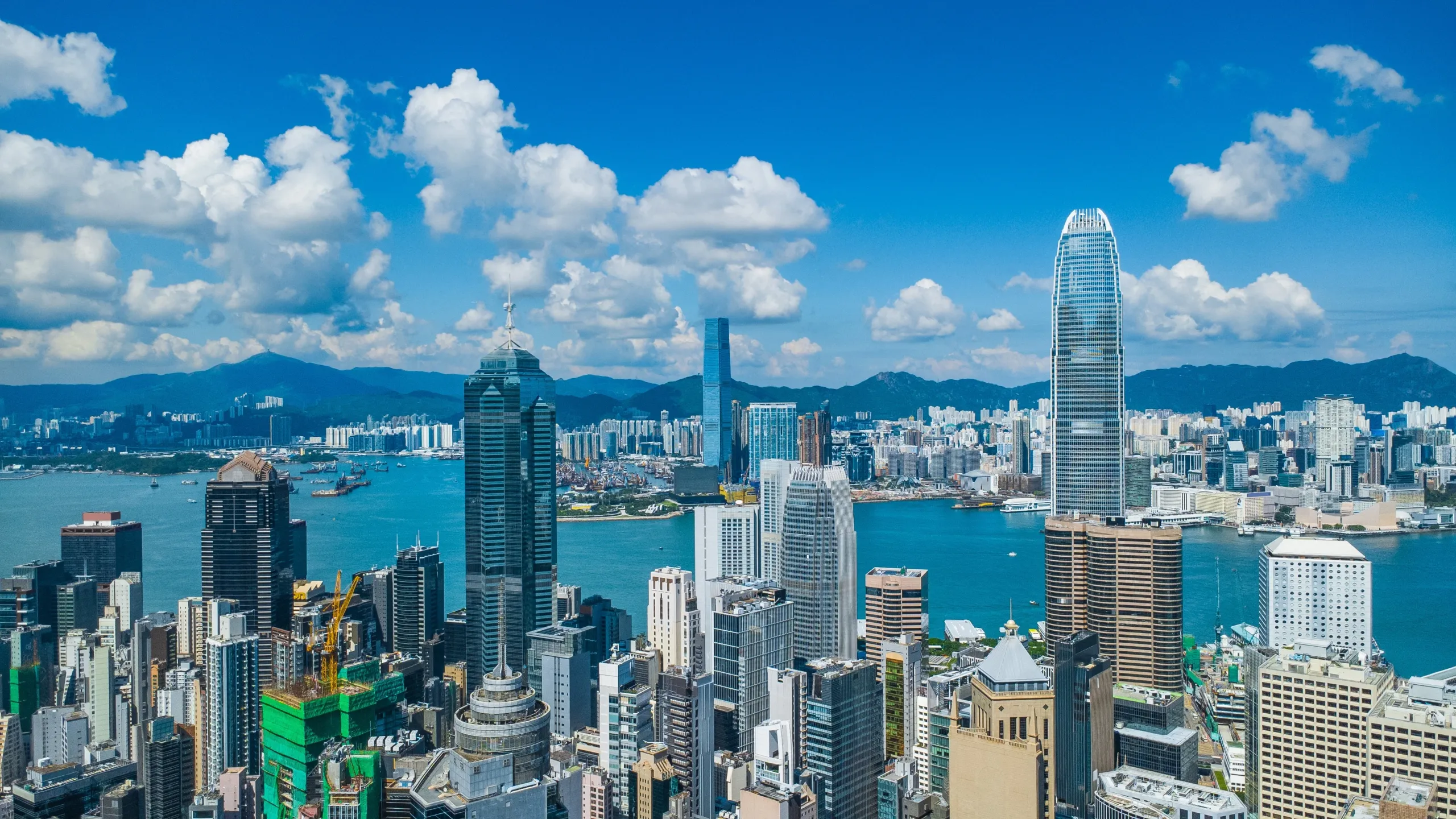
今年時機尤為難得。APEC財長會議10月落戶香港,領袖非正式會議11月則於深圳舉行。兩地僅14分鐘高鐵車程,令香港成為APEC峰會史上交通最便捷的配套訪問地。對不少外國領導人而言,這或許是他們難得踏足香港的機會。倘若香港能夠爭取領袖順道訪港,即使為期短暫,亦可收獲外交正當性與發展動能;一旦失諸交臂,這類機遇或許難再重來。
讓香港展示金融、創科與文化優勢
若領袖們果真到來,回報將極為巨大。他們的蒞臨,會印證香港作為APEC成員經濟體的角色,締造任何營銷攻勢都買不到的曝光度。每一次高層到訪,既是外交層面的公開背書,亦是備受關注的媒體事件,更為香港展示金融、創科與文化優勢搭建舞台。在當下這個曝光本身即是戰略資本的亞太格局之中,領袖踏足香港,等同向外釋放明確訊號:香港依然是亞太不可或缺的樞紐,值得各經濟體交往、投資與借鑒。
全球多座城市已有可供參考的成功範本。紐約將原有聯合國聯絡機構升級為市長國際事務辦公室,實現外交拓展與經濟推廣的深度結合;新加坡把外交布局與貿易戰略融為一體,發展成為亞洲頂尖爭端解決中心,吸引常設仲裁法院、世界知識產權組織仲裁與調解中心相繼進駐;杜拜則透過承辦國際大型盛事、完善基礎設施,持續匯聚全球目光與跨國投資。
制度革新,是香港邁出的第一步。香港應善用自身「低政治」領域的既有優勢,把對外交往機制化。面對全球貿易日趨碎片化、地緣政治摩擦加劇的大環境,傳統的招商引推廣模式已不足以應對當下挑戰。香港需要擺脫被動的經濟代表角色,轉型成為對外經濟關係的主動戰略協調者。憑藉在經濟、貿易、文化這類「低政治」範疇的深厚積澱,香港循序演進為更具分量的全球樞紐。
從被動參與者躍升為規範建構者
在行政長官轄下設立專責國際經濟外交的專門辦公室,會是一項關鍵制度升級:既可統籌香港各領域的國際參與,亦確保香港以統一、具戰略遠見的聲音參與國際事務。倘若內部聲音莫衷一是,香港便難以令人信服地推動議程建構;一旦形成統一協調的機制,香港便能從被動的會議參與者,躍升為區域規範的積極建構者。
要抓牢這次歷史機遇,香港需要樹立更宏大的定位,充當「規範開拓者」(norm entrepreneur)──不止打通市場連接,更能夠參與制訂被區域廣泛採納的規則標準。這便要求我們把一國兩制賦予的制度獨特性,由過往偏向防禦性的論述,轉化為向外輸出影響力的進取型工具。香港的普通法傳統、資本自由流動環境與獨立監管體系,都可以成為前沿領域建構規則的基石,回應全球對可信制度日益增長的需求。
綠色金融,可作為這輪制度轉型的先驅板塊。香港已經積累世界級的產業底蘊:政府可持續債券發行規模突破2400億港元(約306億美元),當中包含全球規模最大的多幣種代幣化綠色債券;Core Climate平台更是業內唯一實現港元、人民幣雙幣結算的自願碳交易市場。立足這些既有優勢,香港可以突破單純融資樞紐的定位,進而成為亞太氣候轉型進程的重要規則設計者。
數碼貿易與人工智能治理,則是另一個可以發力的前沿賽道。香港的普通法體制,加上長期樹立的可信數據樞紐聲譽,讓香港有條件承辦有關跨境數碼貿易規則、人工智能倫理治理的多邊對話。透過在本地監管框架下先行測試各項制度安排,香港有機會為亞太數碼經濟治理確立基準。在供應鏈趨於碎片化、跨區數據流動充滿爭議的當下,這亦是各經濟體領袖願意公開支持的合作議題。
香港可向外輸出提升物流效能的經驗
貿易便利化與智慧物流同樣屬於香港的強項。作為全球最繁忙港口之一,香港可向外輸出海關現代化、物流效能提升的成熟經驗。對於APEC內新興經濟體而言,這並非空泛的理論主張,而是實打實的能力建設。外國代表訪港,便可推動各方簽署提升營運透明度與競爭力的相關標準,帶回切實可落地的合作成果。
香港的高等院校、智庫與龐大校友網絡,將進一步放大這份影響力。透過舉辦智庫研討、青年交流活動,香港可以主導議題研討,探索APEC各經濟體如何在官方管道之外,搭建互信、深化合作。這股軟實力,亦令每一次外賓訪港都充滿實質內容,推動香港深度融入亞太的智識與社會網絡。
成為議程建構者的核心要義正在於:辨識自身具備比較優勢的領域,聯合各方持份者,制訂出其他經濟體樂意採納的規範準則。APEC本身即是一個多元並存的論壇,發達與發展中經濟體、東西方體系、大小經濟體匯聚一堂。香港獨特的價值,正是充當調和各方差異的「黏合劑」。
只要成功迎來各國領袖訪港,香港便可印證自身國際分量,收獲充足媒體關注,穩固規則制訂者、規範開拓者的身份。每一次高層到訪,都是香港作為亞洲經濟秩序重要一員的有力佐證。2026年APEC並非一場只重視覺效果的拍照盛會,衡量其成敗的標準其實十分直白:究竟有多少領袖願意親身來到香港。倘若各國領袖相繼到訪,香港便能把一次峰會的順道訪問機會,轉化為放大自身國際話語權的戰略契機。
HK should embrace APEC to amplify its global voice
Picture dozens of Asia-Pacific Economic Cooperation (APEC) participants stepping off the train in West Kowloon. The sight of presidents, prime ministers, and CEOs arriving in Hong Kong would be more than ceremonial. It would be a statement: Hong Kong is in the global spotlight.
This vision will not materialize automatically. Leaders will only come if Hong Kong makes itself visible and relevant. APEC 2026 is not just another summit; it is Hong Kong’s once-in-a-generation test of influence and impact.
For too long, Hong Kong has been reactive in multilateral forums, content to follow agendas rather than shape them. The failure to host APEC’s Finance Ministers’ meeting in 2014 symbolized a decade of drift. APEC 2026 is a chance to show Hong Kong can convene leaders and institutions — not just connect them.
This year offers a rare alignment. Finance ministers will meet in Hong Kong in October, followed by leaders gathering in Shenzhen in November. The 14-minute rail link makes Hong Kong the most accessible side visit in APEC history. For many leaders, this may be their only chance to set foot in the city. If Hong Kong can persuade them to come — even briefly — it gains legitimacy and momentum. If it cannot, the moment may pass for good.
The payoff, if leaders do come, will be immense. Their presence would validate Hong Kong’s role as an APEC member economy and generate visibility no marketing campaign can buy. Each visit becomes a diplomatic endorsement, a media spectacle, and a chance to showcase Hong Kong’s strengths in finance, innovation, and culture. In a region where visibility is currency, leaders arriving in Hong Kong would signal that the city remains indispensable — a hub worth engaging, investing in, and learning from.
Global cities offer instructive models. New York transformed its United Nations liaison into a Mayor’s Office for International Affairs, integrating diplomacy with economic promotion. Singapore fused foreign policy with trade strategy to become Asia’s leading dispute resolution hub, attracting the Permanent Court of Arbitration and the World Intellectual Property Organization Arbitration and Mediation Center. Dubai staged mega-events and built infrastructure that draws international attention and investment.
Institutional reform is the first step. Hong Kong should seize its low-politics advantage by institutionalizing external engagement. In an era of fragmenting global trade and heightened geopolitical friction, traditional trade promotion is no longer enough. Hong Kong must transition from passive economic representation to active, strategic coordination of its external economic relations. By playing to its strengths in “low politics” — economic, trade, and cultural relations — Hong Kong can naturally evolve into an even more prominent global hub. Creating a dedicated office for international economic diplomacy under the chief executive would be a decisive upgrade, unifying the city’s international footprint and ensuring Hong Kong speaks with a singular, strategic voice. Without coherence, Hong Kong cannot credibly design agendas; with it, the city can move from reactive participant to proactive shaper of regional norms.
To seize this moment, Hong Kong must evolve into something more ambitious: a norm entrepreneur, a place that does not simply connect markets but designs the standards others adopt. This requires leveraging its institutional distinctiveness under the “one country, two systems” framework not as a defensive talking point but as an offensive tool. Its common law system, capital mobility, and independent regulatory regime can be deployed to craft rules in frontier domains where credibility is scarce and demand is high.
Green finance is the natural vanguard for this institutional shift. Hong Kong’s credentials are world-class: over HK$240 billion ($30.6 billion) in government sustainable bond issuances, including the world’s largest multicurrency tokenized green bond, and Core Climate — the only voluntary carbon market offering dual-currency settlement in Hong Kong dollars and renminbi. Leveraging these strengths, Hong Kong can move beyond being a funding hub to become a key architect of Asia’s climate transition.
Digital trade and artificial intelligence governance form another frontier. Hong Kong’s common law system and reputation as a trusted data hub allow it to host dialogues on cross-border digital trade rules and ethical artificial intelligence. By piloting frameworks under its regulatory environment, Hong Kong can set the tone for how the Asia-Pacific region manages the digital economy. In an era of fragmented supply chains and contested data flows, this is precisely the kind of agenda that leaders want to be seen supporting.
Trade facilitation and smart logistics also play to Hong Kong’s strengths. As one of the world’s busiest ports, the city can export its expertise in customs modernization and logistics efficiency. For emerging APEC economies, this is not abstract policy but practical capacity building. A visit to Hong Kong could mean signing onto standards that improve transparency and competitiveness — tangible deliverables leaders can take home.
Hong Kong’s universities, think tanks, and alumni networks add another layer of influence. By convening intellectual forums and youth exchanges, the city can set the agenda on how APEC economies build trust and cooperation beyond official channels. This soft power dimension ensures visits are substantive, embedding Hong Kong in the region’s intellectual and social fabric.
That is the essence of becoming an agenda designer: identifying domains where Hong Kong has comparative advantages, convening stakeholders, and codifying rules that others adopt. APEC is a forum of vast diversity — developed and developing, Western and Eastern, large and small economies. Hong Kong’s unique contribution is to serve as the “glue” that binds these disparate elements together.
If leaders come, Hong Kong demonstrates relevance, gains media visibility, and positions itself as a rule-setter and norm entrepreneur. Each visit becomes proof that Hong Kong is indispensable to Asia’s economic order. APEC 2026 is not a photo opportunity. The true measure of success will be simple: Who shows up in Hong Kong. If leaders arrive in droves, the city can transform a side visit into a strategic amplification of its global voice.
原刊於中國日報國際版網站,本社獲作者授權轉載。(原文按此)