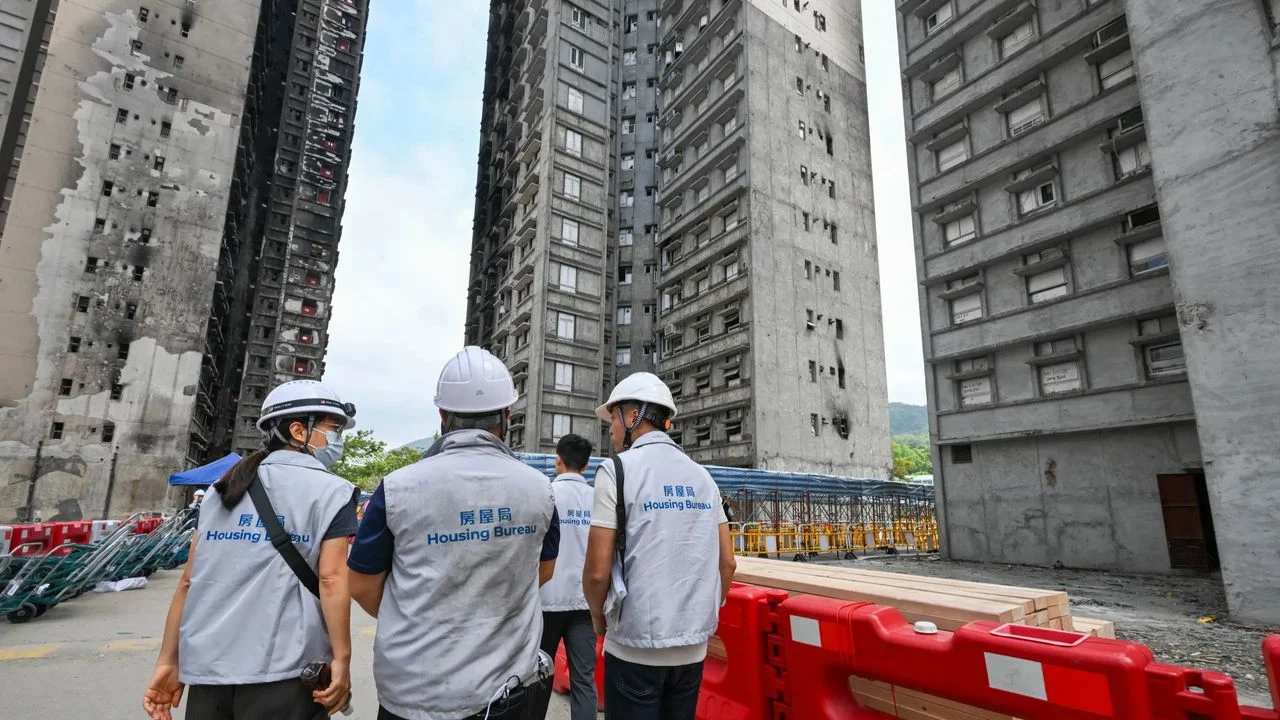





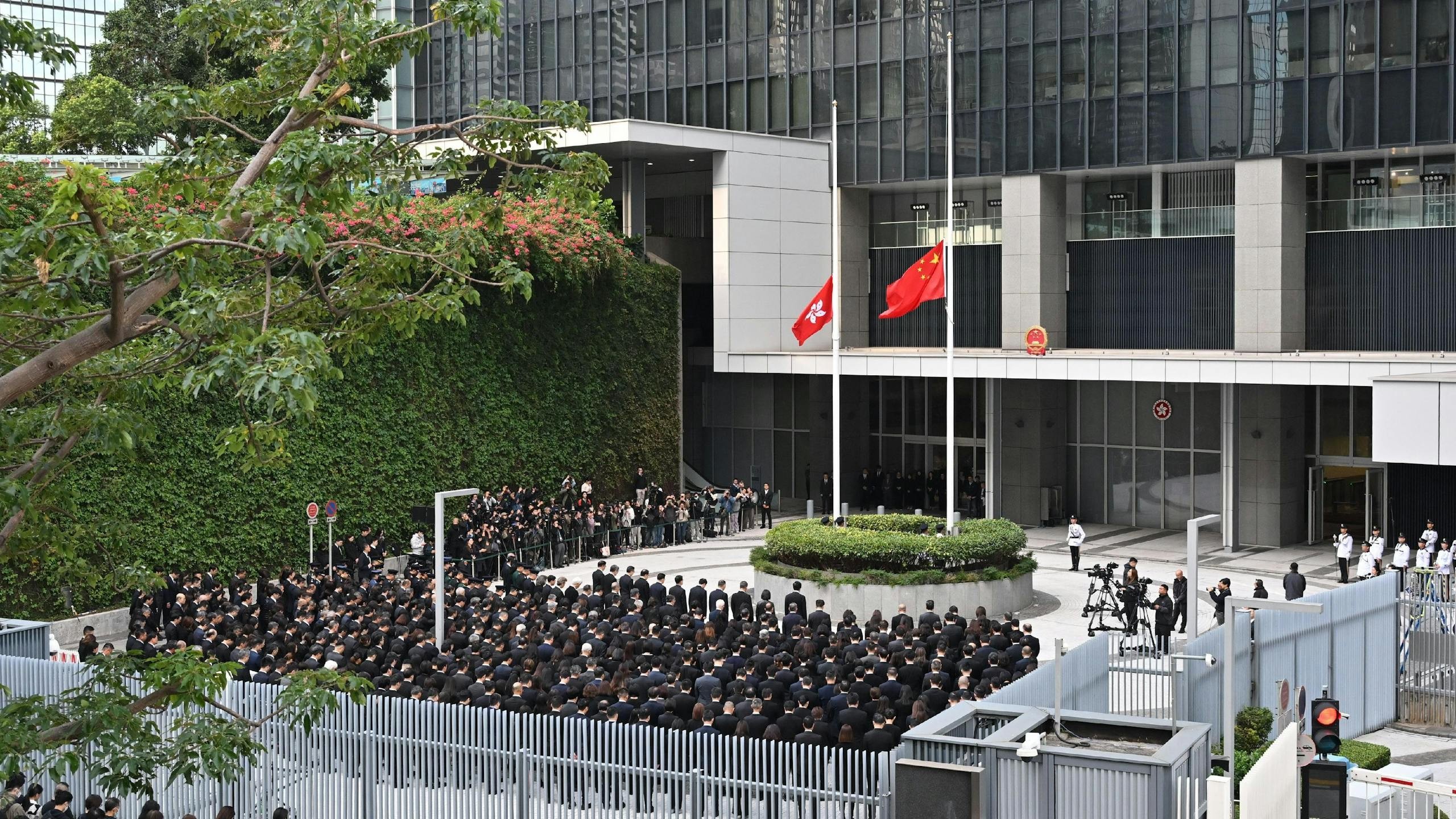

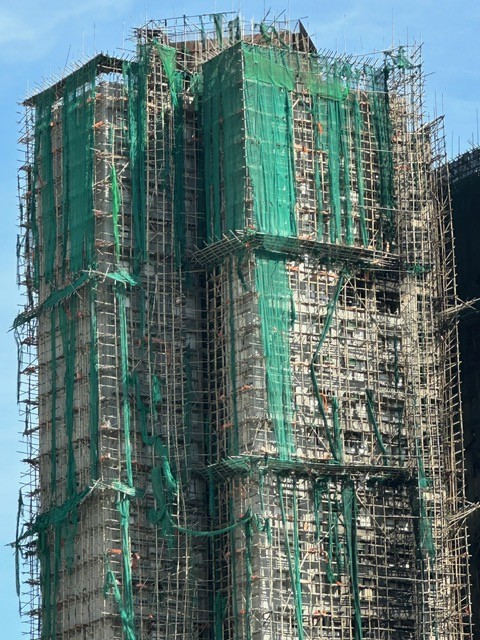
11月26日香港大埔宏福苑發生五級大火釀成逾百人死亡,這不僅是一場巨大的悲劇,而且對香港的建築業、社會和政治都產生了深遠的影響。政府表示,火災起因是由於宏福苑8座大廈外牆塗抹了易燃材料,尤其是用於密封窗戶的發泡膠保護物料。除了一棟大廈不被火勢波及,其餘7棟均遭受嚴重損壞。
據報道,從7月到火災發生,勞工處共進行了16次檢查,發出6份敦促改善通知書,並發出3份檢控通知書,其中大部分與高層裝修工程有關。目前尚不清楚未來的檢查是否會採用更嚴格的標準,此事將交由特首李家超設立的調查工作小組調查並提出建議。
除了用來保護窗戶以防碎片損壞的發泡膠板外,建築物外牆周圍的防護網也是導致火勢蔓延的疑似因素之一。無論火勢迅速蔓延的原因是什麼,廉政公署已逮捕了承包公司和另外兩家建築顧問公司的8名員工。
覆檢全港翻修 飭令移除發泡膠物料
政府迅速採取補救措施,全港範圍進行檢查,查看其他正在使用竹棚和防護網翻修的建築物是否可能使用發泡膠板遮蓋窗戶。截至11月29日,又發現了兩宗翻修案例,相關公司立即被飭令移除這些物料。屋宇署發出指令,要求所有註冊的建築物公司和承建商在一周內審查並報告其使用棚架和防護網的翻修項目。
毫無疑問,負責裝修工程的承包商的做法必須受到嚴格審查,在不久的將來必須採用更嚴格的指導方針,並處以更嚴厲的處罰,以避免再次發生類似的悲劇。
此外,部分住戶反映宏福苑樓宇內的火警系統失靈,此事性質嚴重,需進一步調查。一些住戶憤怒地指出部分工人行為不端,在裝修期間吸煙,且無視住戶要求其停止吸煙的呼籲。如果吸煙被證實是火災的起因,那麼所有在承包商及其工頭監管下的工人的職業操守都必須得到提升,並嚴格遵守。
一些專家認為竹棚並非火災的主要原因,而另一些專家則呼籲政府研究以金屬棚架取代傳統竹棚的可能性,因此李家超成立的特別工作小組將負責處理此事,但從竹棚過渡到金屬棚架確實需要時間,包括再培訓工人和承包商。
政府列設備清單 提升消防救災水平
一些網友質疑消防處使用的設備,但消防處負責人解釋說,由於擔心灑水精準度問題,直升機無法投入使用,直升機產生的風可能會加劇樓頂火勢。網友也提出了使用無人機和部署配備更高雲梯的消防車的問題。據消防處解釋說,水量較小的無人機無法同時應付多幢着火的建築。消防專家也指出,在香港狹窄的街道上使用大型消防車確實有其限制。
在深圳,人們已經使用了攜帶滅火劑的無人機、機器人和熱成像設備。深圳還擁有高達101公尺(相當於33層樓)的消防雲梯。香港消防處在汲取了宏福苑大火慘劇的經驗教訓後,也即將對其先進設備和設施進行現代化改造。李家超提到,特區政府已經列出了一份消防處需要中國內地政府更多支持的設備清單。
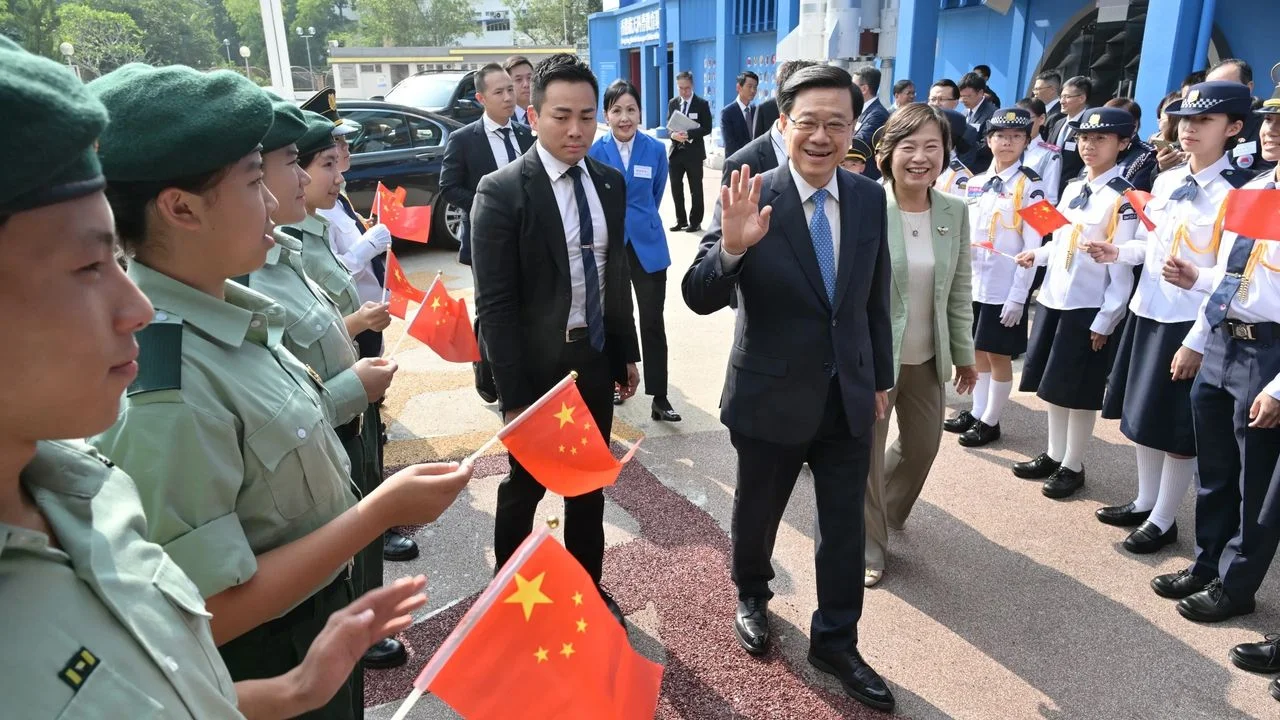
11月26日晚,國家主席習近平就大埔宏福苑火災罹難者及殉職消防員表示哀悼。他向罹難者家屬表示慰問,並呼籲全力撲救火場。他還要求港澳辦和中聯辦支持港府盡一切可能應對火災。
中央政府所表達的深切關注體現了中央與地方積極正向的關係。一方面,中央政府在所有救災事宜上都支持香港政府,包括向消防處提供設備、以及向受災家庭提供後勤支援。
內地向有問責失職地方官員做法
鑑於香港政府先前已多次強調公務員問責的重要,尤其是在購買冒牌樽裝水事件之後,政府在處理宏福苑大火悲劇時可能會更加謹慎。如果政府試圖追究任何部門的責任,可能會給人一種錯覺,認為這符合年輕倡議人士的要求,特別是他們提出向政府問責的要求。
然而,如果政府不深入調查任何部門如何做得更好,這種做法將無意中偏離中國大陸追究地方官員責任的做法,例如在非典和新冠疫情爆發期間,一些地方幹部和官員就被追究責任,並受到調職、降職或處罰。
截至發稿時,立法會選舉是否會延期尚不明朗。無論選舉是否延期,觀察人士不僅需要密切關注投票率,還需要關注選民如何表達他們的意願,尤其是在大埔區。
香港新的政治文化呈現三種類型的市民:積極參與政治的市民、對政治漠不關心的市民,以及在社群媒體上發表批評政府言論的網路憤世嫉俗者。這場火災悲劇將如何影響登記選民,還有待觀察。
大火暴露人身安全保障存在嚴重缺失
業界必須從宏福苑火災中汲取教訓,包括建築及樓宇翻新行業應如何提升其專業標準和行為規範,物業管理公司應如何監督樓宇翻新工程,政府部門應如何加強對承建商的審查和檢查,以及應如何嚴懲違反專業標準的承建商。宏福苑大火悲劇卻暴露出在保障人身安全方面存在的一些關鍵漏洞和缺陷,這或許頗具諷刺意味。而人身安全是全球及中國大陸國家安全不可或缺的一部分。
宏福苑大火突顯了加強救災工作、災後安置受災民眾,以及為他們及其家屬提供心理輔導等方面,需要採取更有效的補救措施。同時,也需要對建築及樓宇翻新產業的專業標準與行為規範,進行更深入的反思與研究,以期提升產業水準。
針對宏福苑大火悲劇,中國大陸當局迅速採取行動,要求所有建築公司及其相關承包商審查其在建築翻新工程中使用的材料,這一迅速行動體現了中國治理的高效性和有效性。作為一座既是中國城市又是國際化都市的城市,香港必須從這場悲劇性的火災事故中汲取慘痛教訓,並防止此類事件再次發生。
The Tai Po fire tragedy and its socio-political implications
The fire that engulfed Wang Fuk Court in Tai Po several days ago is not only a huge tragedy but also an event that has profound implications for the construction profession, the society and the politics of the Hong Kong Special Administrative Region (HKSAR).
The Fire Services Department and its officers must be commended for their diligent efforts at extinguishing the fire, which broke out in the afternoon of November 26. At nighttime, the level of fire was elevated from grade three to five, leading to the great difficulties of the fire services officers to combat the fire and rescue the victims.
The government said that the outbreak of the fire was apparently due to the flammable materials spreading over the exterior of the eight blocks of buildings in Wang Fuk Court, including especially the Styrofoam which was used to seal the windows, and which was highly flammable. One building was miraculously unaffected, but the other seven were damaged severely. It was reported that from July to the outbreak of the fire, the Labour Department conducted sixteen inspections, issued six notices of required improvements, and delivered three prosecution notices, most of which were related to high-level renovation work. It is unclear whether the inspections would have to require more rigorous standards in the future – a matter left to the conclusion and recommendations of the investigatory task group established by Chief Executive John Lee.
It was reported that from July to the outbreak of the fire, the Labour Department conducted sixteen inspections, issued six notices of required improvements, and delivered three prosecution notices, most of which were related to high-level renovation work. It is unclear whether the inspections would have to require more rigorous standards in the future – a matter left to the conclusion and recommendations of the investigatory task group established by Chief Executive John Lee.
Renovation Materials, Safety Oversight and Accountability
Another suspected agent that stimulated the spread of the fire was, apart from the Styrofoam sealing the windows to prevent them from being damaged by debris, the net surrounding the exterior wall of the buildings. Whatever the reasons for the rapid spread of the fire, the Independent Commission Against Corruption (ICAC) arrested eight people from the contractor firm and two other consultancy companies.
The government was swift in its remedial actions by conducting a citywide inspection of whether other buildings undergoing renovations with scaffolding and protective netting might use Styrofoam boards to cover windows. As of November 29, two other cases of renovation were found and the companies concerned were immediately ordered to remove the materials. The Buildings Department issued a directive asking all registered buildings companies and contractors to review and report on their renovation projects with the usage of scaffolding and nets within a week. This rapid action demanded by the Chief Executive and undertaken by the government was appropriate and commendable.
Undoubtedly, the practices of the contractors responsible for renovation work will have to be rigorously reviewed with much tighter guidelines to be used and heavier penalties to be levied in the near future so that another similar tragedy will have to be avoided.
Moreover, some residents complained that the fire alarm systems in the buildings of the Wang Fuk Court did not work – a serious matter that will have to be investigated further. Some residents angrily pointed to the unprofessional behaviour of some workers, who smoked during their renovation work and who ignored the residents’ call for them to stop smoking. If smoking was found to be an origin of the fire tragedy, the ethical and professional standards of all workers under the supervision of contractors and their foremen must be enhanced and observed very strictly.
Emergency response, equipment limitations and cross-boundary questions
Some experts have maintained that the bamboo scaffolding was not the main cause of the fire, while some have called for the government to study the possibility of replacing the traditional usage of bamboo scaffolding with steel-made scaffolding. This matter will be tackled by the task force set up by John Lee, but indeed it takes time for any transition from the usage of bamboo scaffolding to steel scaffolding, including the retraining of workers and contractors.
The fire tragedy was apparently stimulated and accelerated by a suddenly emerging strong wind swirling around several buildings as seen in videos in social media, while the flammable materials outside the buildings triggered the rapid spread of fire from the bottom to the top of the high-rise building in a very short period of time.
Some netizens questioned the equipment used by the Fire Services Department, but its head explained that helicopters could not be used due to the concern about the accuracy of water dropped onto the buildings, and that the wind produced by helicopters might have exacerbated the fire at the top of the buildings. Netizens also raised the issue of the usage of drones and the deployment of fire engines with much higher ladders. The fire services authorities explained that drones with smaller water volume could not cope with many flats that were on fire simultaneously. Fire engineer experts have also remarked that there are real limitations of using large fire trucks in Hong Kong’s cramped streets.
Modernisation pressures and cross-boundary coordination
In Shenzhen, drones that carry fire extinguishing agents, robots and thermal imaging devices have been used (South China Morning Post, November 20, 2025). Shenzhen also has tall firefighting ladders reaching up to 101 metres or 33 storeys. Soon, the Hong Kong Fire Services Department will have to modernise its advanced equipment and facilities after learning the experiences of the Tai Po fire tragedy and difficulties. Chief Executive John Lee mentioned that his government came up with a list of equipment that the Fire Services Department would need more support from the mainland Chinese government.
There were reports in the media saying that the Shenzhen fire services department was prepared to assist Hong Kong on the night of November 26. On November 27, Chief Executive John Lee said that he thanked the neighbouring cities for their concerns, and the Fire Services Department confirmed it had not requested mainland assistance (Hong Kong Standard, November 27, 2025). The Fire Services Department had enough personnel to handle the blaze at Wang Fuk Court. As such, there was no need to request Shenzhen’s assistance. Also, letting the Shenzhen fire engines come into the HKSAR might create other issues, like the question of cross-boundary coordination and leadership, and whether the cramped streets would be able to accommodate the mainland fire engines.
On the night of November 26, President Xi Jinping expressed his condolences to those who died in the Tai Po fire tragedy and to the firefighter who sacrificed his life on duty (Hong Kong Standard, November 26, 2025). He extended his sympathies to the families of the deceased and called for every effort at combating the fire. He requested that the Hong Kong Macau Affairs Office and the Liaison Office support the HKSAR government in doing everything possible to cope with the fire.
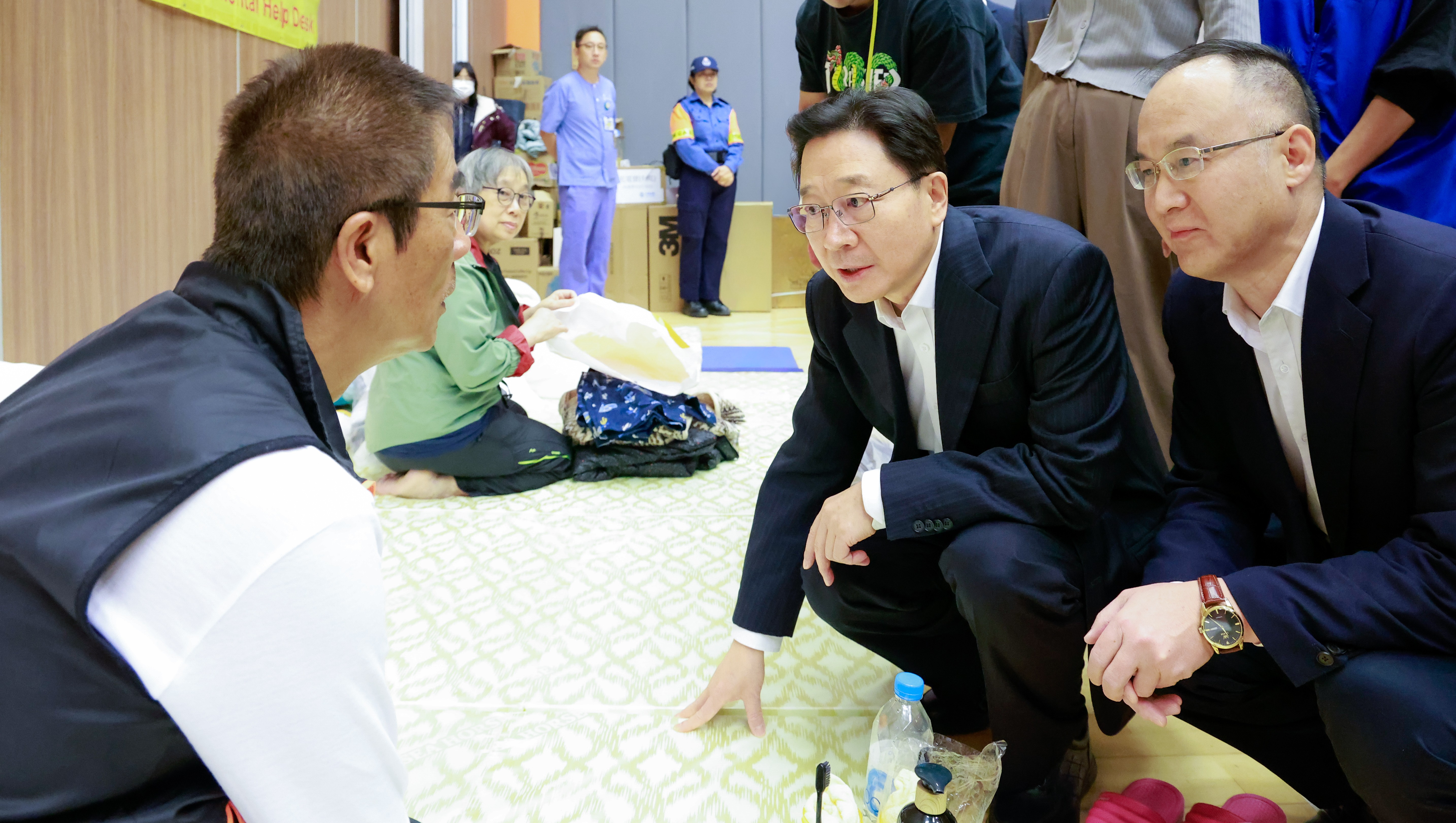
In response to President Xi’s call, the Liaison Office set up an emergency task force to help the HKSAR government. On the other hand, two deputy directors of the Hong Kong Macau Affairs Office (HKMAO), Xu Qifang and Nong Rong, have been leading a working group to visit Hong Kong to assist in the disaster relief efforts (TVB News, November 27, 2025). Zhou Ji, the Liaison Office director, and Nong Rong went to visit the disaster victims on the morning of November 27, expressing the deep concern of the central government about Hong Kong.
Public sentiment, activism and the political landscape
The deep concern expressed by the central authorities shows the positive dynamics of central–local relations between Beijing and Hong Kong. On the one hand, the central government is supporting the HKSAR government on all matters relating to the disaster relief, including the provision of equipment to the Fire Services Department and the logistical support to the families victimised by the fire. On the other hand, the HKMAO is observing how the HKSAR government is dealing with the post-disaster relief work.
Traditionally, the Chief Executives of both Hong Kong and Macau must deliver their annual reports to the central leadership in December. It can be expected that Mr John Lee will deliver a preliminary report on the fire tragedy to President Xi and Premier Li Qiang.
The fire tragedy has tremendous socio-political implications for Hong Kong.
Community solidarity, information battles and emerging activism
First, the people of Hong Kong have remained not only united, but they have shown their great sympathy and immense support for the victims of the fire disaster. Donations and logistical supplies have been poured into the areas near Wang Fuk Court, necessitating the government to announce on November 29 that any further donations and supplies would have to be centralised. Groups and organisations have also come to the financial support of victims. The mourning of the victims of the fire tragedy began from November 29 until December 1.
Second, on the night of November 29, the Office for Safeguarding National Security of the Central People’s Government of the People’s Republic of China in the HKSAR made a statement saying that during the fire tragedy, some people who are “anti-China and disturbing Hong Kong” are still trying to make a move and create chaos . According to the Office, some people spread fake news to attack the HKSAR government’s rescue work, and they use “public opinion” to attempt at creating troubles. The social media have reported that the Hong Kong police took note of the tendency that some activists in the 2019 violence appeared to be active in the donation and logistical supply work in Tai Po. If these reports were true, it was natural that the Office issued a statement on the night of November 29.
Third, while netizens in the social media have become quite critical of the way in which the government handled the fire tragedy, some young activists distributed leaflets in Tai Po, asking for the signature of more citizens to support four demands: (1) persistence in helping the victims and relocating them; (2) setting up an investigatory committee to find out any “hidden transfer of interests;” (3) renewing the scrutiny of buildings renovation work; and (4) pursuing those government officials who may be negligent and lacking supervision work. The activists launched an online signature website, but it was quickly closed on the night of November 29 with 10262 supporters who had already signed the petition.
It is unclear whether the activists who launched this petition and the online website were the potential “troublemakers” mentioned by the Office for Safeguarding National Security of the central government in the HKSAR. On the night of November 29, social media said that one of the activists was investigated by the police.
Accountability debates and potential electoral repercussions
Fourth, at a time when the HKSAR authorities have already mentioned the importance of the accountability of the civil service, especially after the bottled water scandal, it is likely that government would be more politically cautious in dealing with the Tai Po fire tragedy. If the government tries to pin down the accountability of any department, it may give the impression that this would fit into the demands of the young activists, especially the fourth demand that called for governmental accountability. Yet, if it does not probe into how any department may be able to do a better job, such an action would unintentionally and interestingly deviate from the Mainland Chinese practice of holding local officials accountable for their possible negligence, such as the period in which the outbreak of the Severe Acute Respiratory Syndrome (SARS) and Covid-19 did witness some local cadres and officials being held accountable and being rotated, demoted or punished.
The Tai Po fire accident will perhaps focus more on holding the construction industry and its buildings renovation sector accountable to both the government and the members of the public.
Fifth, at the time of writing, it is unclear whether the Legislative Council elections will be postponed. Regardless of whether the elections will be postponed, observers will have to watch carefully not only the voter turnout but also how the voters will express their preferences, especially the Tai Po district. The new political culture of Hong Kong is characterised by three types of citizens: those who are politically active, those who are politically apathetic, and those who are online cynics quite critical of the government as expressed in netizens’ views in social media. It remains to be seen how the fire tragedy will have possible impacts on the registered voters.
Conclusion
The Tai Po fire disaster is an unprecedented event in the history of the HKSAR. Its death number has far surpassed the Garley Building fire tragedy in November 1996 that killed forty-one citizens. Lessons will have to be learnt from the Wang Fuk Court fire disaster, including how the construction and buildings renovation sectors should improve their professional and ethical standards and conduct, and how management companies can and should supervise their buildings’ renovation work, how government departments would strengthen their scrutiny and inspections on contractors, and how contractors that violate the required professional standards should be penalised heavily. At a time when the HKSAR has just strengthened its national security and focused on the promotion of economic prosperity, it is perhaps ironic that the Tai Po fire tragedy points to some crucial gaps and loopholes in the protection of human security, which is an indispensable part of national security in global and mainland Chinese standards.
The Tai Po fire disaster calls for more effective remedial actions in terms of enhanced relief work, post-disaster victims’ settlement and the psychological counselling for victims and their families. It also calls for a more profound reflection and study on how the professional standards and conduct of the construction and building renovation industry should improve further.
In response to the Hong Kong fire tragedy, the mainland Chinese authorities have taken swift actions to require all construction companies and their related contractors to review the materials they use in buildings renovation work – a swift action pointing to the efficiency and effectiveness of China’s governance. As both a Chinese and an international city, Hong Kong must learn a bitter lesson from this tragic fire accident and prevent its reoccurrence in the future.
原刊於澳門新聞通訊社(MNA)網站,本社獲作者授權轉載。(原文按此)