






國際執法壓力迫使柬埔寨取締大型跨境網絡犯罪集團,並引渡太子集團陳志、李雄等骨幹成員,但體制性腐敗、監管機制薄弱、吸引資本的政策取向等長期國內制約因素,持續阻礙打擊非法金融與詐騙網絡的工作。
由於柬埔寨的國家治理能力偏弱,官僚與政治腐敗等深層問題構成顯著的內部束縛,幸好國際社會施加的壓力對其形成外部制衡力量,持續推動柬埔寨打擊各類跨境犯罪,包括網絡詐騙、非法賭場經營、強迫勞動、人口販運、財務欺詐,以及利用加密貨幣洗黑錢等。
2026年1月,柬埔寨將華裔富商陳志引渡回中國。早在2025年10月,美國政府便控告37歲的陳志經營詐騙活動,盜取價值數十億美元的加密貨幣;英國政府則制裁其掌控的太子集團。太子集團在柬埔寨業務版圖龐大,旗下的太子銀行最終被柬埔寨政府勒令停業。2025年,美國執法部門查扣陳志企業營運中價值近150億美元的比特幣,並以詐騙及洗黑錢罪名制裁。
在金邊快速累積資本與政治影響力
陳志於1987年生於福建,2011年移居柬埔寨,初期經營投資移民相關業務。赴柬之前,他曾營運網絡遊戲,靠小本生意積累了第一桶金。陳於2014年透過投資移民取得柬埔寨國籍,隔年創立太子集團,業務擴展至銀行、金融及旅遊領域。為塑造成功商人形像,陳志持續捐獻、參與慈善活動,資助柬埔寨地方發展。
陳志於2015年透過旗下太子基金會捐出1600萬美元巨款。2017年他獲聘為柬埔寨內政部顧問,三年後獲封「奧卡」(Oknha)勳銜,該榮譽自2017年起頒予向柬埔寨捐獻不少於50萬美元的人士。2021年,陳志被視為傑出企業家,先後擔任前總理洪森與現任總理洪馬內的顧問。2020至2022年間,中國警方調查太子集團涉嫌網絡賭博與洗黑錢,該集團辯稱名譽受損僅是少數犯罪人員所為。
值得留意的是,陳志出任內政部顧問後與柬埔寨政要建立緊密關係,並在2017年投資金貝集團,集團其後在西哈努克市開設賭場,最終於2021年解散。
該賭場曾吸引大量華人賭客湧入,西哈努克市因而獲得「新澳門」之稱,這亦體現出柬埔寨政府期望透過發放賭場牌照引進外資、帶動區域經濟發展的政策導向。作為柬埔寨獲准營運的百餘間賭場之一,金貝集團於西哈努克市提供的網絡賭博服務,引發北京當局的高度關切。
回應中方訴求,柬埔寨政府於2019年宣布取締網絡賭博。然而中國警方2020年的調查顯示,太子集團高達20億美元的投資額中,竟有三分之一源自網絡賭博收益。鑑於《中華人民共和國刑法》嚴禁賭博,且打擊範圍涵蓋跨境網絡賭博,柬埔寨此類賭場業務自然成為中國執法機關重點監控與憂慮的對象。

引渡、制裁 大型網絡犯罪集團垮台
2026年1月7日陳志被引渡回中國當日,柬埔寨政府宣布撤銷其柬埔寨國籍。新華社形容,陳志引渡案是中柬兩國執法部門合作取得的重要勝利,報道稱陳志為「跨境賭博詐騙集團首腦」,涉開設賭場、實施詐騙,經營各類隱蔽非法活動。
2025年10月,美國財政部外國資產控制辦公室、金融犯罪執法網絡,聯同英國外交、聯邦及發展事務部,制裁太子集團以及另一關聯企業匯旺集團,指控兩個集團透過網上詐騙,侵吞美國及其盟友國民資產,並洗黑錢。美國財政部資料顯示,匯旺集團涉洗黑錢與虛擬貨幣詐騙。
匯旺集團行政總裁李雄於2026年4月由柬埔寨引渡回中國。匯旺集團屬太子集團體系內的公司,與太子集團同樣被指大規模參與詐騙及洗黑錢。
李雄為移居柬埔寨的中國公民,2018年取得柬埔寨國籍,2026年國籍遭撤銷。香港媒體報道,李雄旗下匯旺集團設立熊貓銀行,負責清洗詐騙園區的犯罪所得,亦被指替朝鮮清洗比特幣,洗黑錢總額約40億美元。2024年2月熊貓銀行四周年慶典,柬埔寨權貴家族成員洪托出席活動。

跨境犯罪運作的比較分析
從分析角度看,陳志、李雄先後由柬埔寨引渡回中國,反映在美英對太子、匯旺兩大集團實施制裁之後,柬埔寨當局決心堵塞漏洞,防止不法商人滲入柬埔寨從事非法活動。
若對比緬北臘戌「明、白、魏、劉」四大家族由中國移居緬甸的案例,陳志與李雄的個案,在跨境犯罪的背景與運作模式上呈現若干異同點。
第一,部分中國不法商人移居緬北與柬埔寨,並且把兩地區視為能不擇手段、快速斂財的樂土。透過開設賭場、建立詐騙園區、利用人口販運、默許強迫勞動、比特幣洗黑錢,並以慈善包裝非法活動,成為這類商人的典型特徵。在多國執法合作下,他們最終被引渡回中國受審,實屬歷史之必然。
第二,太子集團與匯旺集團依靠人脈網絡,跟柬埔寨政要建立緊密關係。緬北四大家族同樣透過人際網絡,拉攏當地警隊與權勢人物。兩者的差異在於:柬埔寨這兩個集團不需要私兵與武裝,但緬北四大家族更進一步建立起由私人保安與武裝力量支撐的地方割據勢力,形同地方軍閥。
第三,無論是緬北四大家族,還是柬埔寨太子、匯旺集團,都是在多國國際壓力之下被捕:四大家族主要受中國施壓,太子、匯旺集團則面對美、英制裁壓力。
第四,緬北果敢地區中央管治薄弱,出現政治與行政真空,緬甸中央政府無力有效管治邊疆;而柬埔寨奉行吸引外資的資本導向政策,為不法商人提供了藉非法手段在當地快速致富的機會。因此在中、美、英等國對侵害本國公民利益的非法活動提出強烈關切之前,柬埔寨國家面對陳志、李雄這類移民資本家時,治理能力相對薄弱。
體制腐敗與管治挑戰
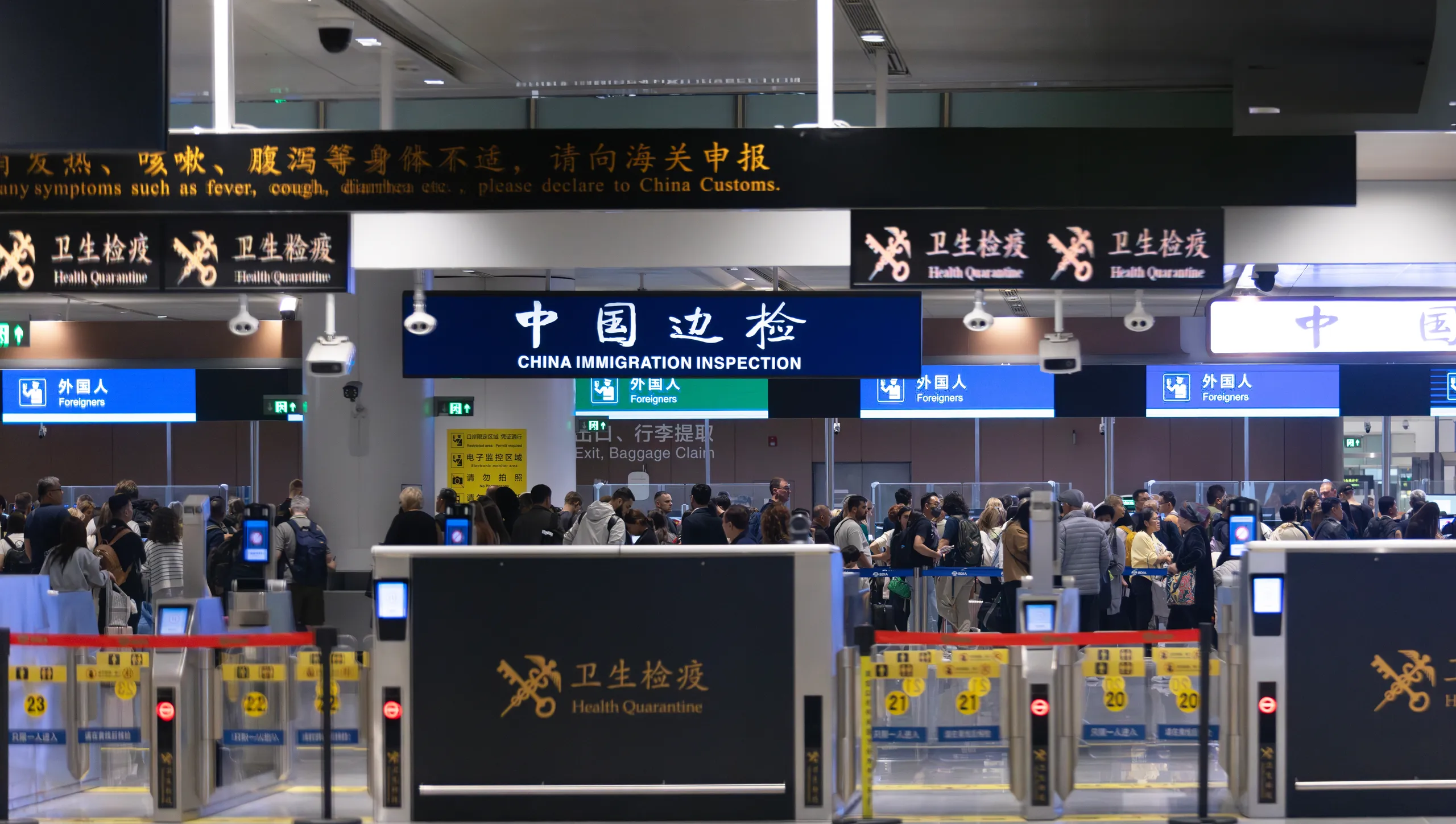
第五,打擊跨境犯罪,離不開國境管控、出入境查驗。中國在2026年9月實施出入境管理新規,管控中外人員出入境,可說是抑制跨境犯罪分子的有效舉措。國與國之間的警務合作,是引渡犯罪嫌疑人的必要條件。而犯罪嫌疑人在移居國被撤銷國籍,也是合乎邏輯的配套手段。柬埔寨撤銷陳志、李雄的國籍,是遏制跨境犯罪的正確做法。
第六,對緬甸與柬埔寨政府而言,內部反腐仍是極其艱巨的任務。透明國際2025年清廉指數排名,柬埔寨在181個國家及地區排第163位,緬甸排169位。兩國位列亞洲倒數,反腐工作仍有大量改善空間,以提升國家治理能力與政權合法性。官僚與政治腐敗瀰漫,代表緬甸、柬埔寨治理能力偏弱;尤其是緬北多民族地區,地方軍閥盤踞,容易成為跨境犯罪滲透與擴散的溫床。
第七,澳門的賭博業受到完善法律規管,其他非法活動亦受嚴密監控。太子集團的個案顯示,其企圖把西哈努克市打造成「小澳門」,但這類海外「小澳門」監管鬆散、管控不足,讓網上賭博、詐騙、洗黑錢等非法活動得以滋生蔓延。
多邊執法與未來政策方向
2026年8月底,柬埔寨稱其在2025年關閉超過800個詐騙園區,拘捕3萬名嫌疑人以及15名高級官員,並遣返58266名外籍人士。顯而易見,在中、美、英等國的國際壓力下,柬埔寨政府不得不更積極、更強硬地打擊跨境犯罪。目前有超過3400名來自29個國家的嫌疑人被拘留候審,包括中國、越南、澳洲、法國、日本、韓國、新加坡及泰國籍人士。
總的來說,全球化之下不少國家的邊界實際上難以封閉,中緬之間廣闊邊疆便是一例。中國人若要移居柬埔寨,雖要途經越南或老撾,但亦可透過投資移民計劃落地,陳志便是典型案例。倘若國境管控存在漏洞,執法機關、尤其是警務部門,就必須透過持續情報共享、聯合調查、證據搜集與引渡合作,強化跨境協作。中柬執法合作關係的發展,正是聯手打擊跨境犯罪的正面跡像。
2026年9月23至24日,柬埔寨總理洪馬奈於金邊舉辦的打擊網絡詐騙國際會議發表演講,重申柬埔寨打擊網絡詐騙、保護全球民眾、根除犯罪網絡的決心。這反映柬埔寨和其他國家一樣,具備打擊跨境犯罪、保護各國民眾人身與財產安全的政治意願。
柬埔寨若要有效遏制跨境犯罪,一方面必須對外來投資者實施嚴格的背景審查與定期覆核,並加強與各國執法機構合作,共享情報與犯罪證據;另一方面,柬國政府亦需推動反腐,清除政壇內部的腐敗分子。唯有落實這兩項關鍵舉措,當地的跨境犯罪問題才有望迎刃而解。
Cambodia’s fight against cross-border crime: International pressure and domestic constraints
Recently, the Cambodian government has launched an anti-scam campaign after various countries in the world exerted pressure on Cambodia to make an effort at fighting against cross-border crime. Despite the efforts made by the Cambodian government, there are practical domestic constraints, including its problem of bureaucratic and political corruption. Still, international pressure from countries on Cambodia can check and balance its relatively weak state, sustaining the internal momentum in the fight against cross-border criminal activities, including scam operations, casinos establishment, forced labour, human trafficking, fraud, and money laundering through the usage of cryptocurrency.
In January 2026, Cambodia extradited to China a billionaire Chinese businessman named Chen Zhi (BBC news, January 8, 2026). In October 2025, the US government charged the 37-year-old Chen of engaging in scam operations that stole billions in cryptocurrency, while the UK government sanctioned Chen’s business conglomerate named Prince Group. The Prince Group operated so extensively in Cambodia that it ran a bank, namely Prince Bank, whose operation had to be eventually suspended by the Cambodian government. The US law-enforcement authorities in 2025 seized almost $15 billion worth of bitcoin from Chen’s business operation (BBC news, January 8, 2026), sanctioning him for fraud and laundering money.
Rapid capital accumulation and political influence in Phnom Penh
Chen got rich so quickly in Cambodia. Born in Fujian in 1987, Chen migrated to Cambodia in 2011 and invested in the business of arranging investment immigration. Before he migrated to Cambodia, Chen operated internet games and earned some money from his small business. In 2014, Chen became a Cambodian citizen through the route of investment immigration. In the next year, he established the Prince Group, expanding his businesses to banking, monetary, financial and tourism industries. To portray himself as a successful businessman, Chen started to make donations in support of charity work, helping Cambodia’s districts develop and prosper.
In 2015, the Prince Foundation established by Chen had already made a huge donation of US$16 million. In 2017 Chen became an advisor to the Cambodian government’s Interior Ministry. Three years later, he got a title of Oknha, which is an honorary award conferred on those people who donated at least US$500,000 to Cambodia since 2017. In 2021, Chen was regarded as a successful entrepreneur and became an adviser to former Prime Minister Hun Sen and present Prime Minister Hun Manet (Cambodian Daily, October 17, 2025). Between 2020 and 2022, the Chinese police investigated the Prince Group for suspected internet gambling and money laundering, but the Group argued that its reputation was tainted by the activities of a minority of criminal elements.
Most intriguingly, after becoming an adviser to the Interior Ministry, Chen Zhi developed ties with Cambodia’s political elite and invested in the Jinbei company in 2017. Later, the company was dissolved in 2021. Interestingly, Jinbei established a casino in Sihanoukville (see RFA’s special report: 第一部分:中国法院调查“臭名昭著”的柬埔寨太子集团).
The casino attracted many Chinese gamblers, and the city became known as a “new Macau,” reflecting the Cambodian government’s policy of granting casino licences to investors and seeking to promote regional economic development. Jinbei was among approximately one hundred casinos authorised to operate in Cambodia. Its Sihanoukville casino offered online gambling, prompting concern in Beijing. In response, the Cambodian government shut down online casinos in 2019. A 2020 Chinese investigation found that one-third of the Prince Group’s US$2 billion investment came from online gambling. Because China’s Criminal Law prohibits gambling, including cross-border online gambling, these Cambodian casino operations naturally drew grave concern from the Chinese authorities.
Extraditions, sanctions, and the fall of major cybercrime syndicates
On January 7, 2026, when Chen Zhi was extradited back to China, the Cambodian government announced that his Cambodian citizenship was revoked (Chengdu Commercial Daily, January 7, 2026). Xinhua reported that Chen’s extradition was “an important victorious battle” resulting from the cooperation of the law-enforcement authorities of China and Cambodia (Xinhua, January 7, 2026). It described Chen not only as “an important head of the cross-border gambling and fraud syndicate” but also a criminal suspect opening casinos, committing fraudulent activities, and involving in their illegal and hidden operation.
In October 2025, the US Department of the Treasury’s Office of Foreign Assets Control and Financial Crimes Enforcement Network, together with the UK’s Foreign, Commonwealth and Development Office sanctioned the Prince Group and another related conglomerate, namely Huione Group, for criminal activities targeting citizens of the US and other allied nations through online scams and the laundering of stolen funds (US Treasury Department’s Press Release, October 14, 2025: U.S. and U.K. Take Largest Action Ever Targeting Cybercriminal Networks in Southeast Asia | U.S. Department of the Treasury). The Huione Group, according to the US Treasury Department, engaged in money laundering and virtual currency scams.
The Huione Group’s chief executive officer, namely Li Xiong, was extradited from Cambodia to China in April 2026. Li’s Huione Group was a conglomerate operating under the Prince Group. An influential elite of the Cambodian government was working in the Huione Group as a board member (New York Times, Chinese version, April 2, 2026: 柬埔寨洗錢、電詐集團關鍵人物李雄被押解回中國 – 紐約時報中文網). As with the Prince Group, the Huione Group was allegedly involved in fraud and extensive money laundering.
Li Xiong was a Chinese citizen migrating to Cambodia. He acquired the Cambodian citizenship in 2018, and his Cambodian citizenship was revoked in 2026. According to Hong Kong media, Li Xiong’s Huione Group opened the Panda Bank, which laundered money and proceeds from the scam compounds, and which was allegedly laundering bitcoins for North Korea (HK01.com, April 1, 2026: 太子集團骨幹李雄從柬埔寨押解回國 掌管全球最大暗網洗黑錢平台). The total amount of laundering was about US$4 billion. In February 2024, when the Panda Bank had its fourth year of anniversary celebration, Hun To, a relative of the Cambodian power elite, attended the event (HK01.com, April 1, 2026). The Huione Group’s earlier registration address was in a public housing estate’s apartment unit in Shatin district in Hong Kong (HK01.com, July 30, 2026: 太子集團陳志調查|暗網洗黑錢平台「匯旺」揭秘 早年香港註冊).
Comparative dynamics of cross-border criminal operations
Analytically speaking, the fact that both Chen Zhi and Li Xiong were extradited from Cambodia to China demonstrated that the Cambodian authorities were determined to plug the loophole of allowing unethical businesspeople to infiltrate Cambodia and conduct illegal activities, especially after the US and UK government had sanctioned the Prince Group and the Huione Group.
Compared with the migration of the four Chinese families – Ming, Bai, Wei, Liu – from China to Laukkai in northern Myanmar, the cases of Chen Zhi and Li Xiong showed some important similarities and differences in the context and content of cross-border crime (See: OPINION – Cross-border crime in Laukkai: The rise and decline of four Chinese families | Macau Business).
First, the migration of some unethical Chinese businesspeople from mainland China to northern Myanmar and Cambodia showed that they viewed the two countries as offering lucrative opportunities to expand their businesses and become rich quickly, regardless of whether their operational methods were legal. The opening of casinos, the establishment of scam compounds, the use of human trafficking, the toleration of forced labour, the utilisation of bitcoins in money laundering, and the camouflage of their illicit activities through charity work were the defining features of these businesspeople, whose extradition to China and whose punishment back home are the natural outcomes.
Second, while the Prince Group and the Huione Group were able to utilise their personal connections (guanxi) to cultivate close connections with the power elites in Cambodia, the four Chinese families also used their personal networks to develop intimate relations with the local police and power elites. The difference between the two Groups in Cambodia and the four Chinese families in Laukkai was that while the former did not have to rely on private security personnel and army, the latter went so far as to develop themselves into little local warlords supported by private armies and security forces.
Third, all these businesspeople were arrested by the law-enforcement authorities in northern Myanmar and Cambodia after the international pressure from various countries, especially China in the case of the four Chinese families and the US and UK in the case of the Prince Group and Huione Group.
Fourth, the weak local Kokang state in Northern Myanmar was marked by a political and administrative vacuum there as the central government in Myanmar was too weak to deal with governance in the border regions, while the Cambodian government’s “capitalistic” philosophy of attracting foreign investment provided a golden opportunities for some unscrupulous businesspeople to penetrate into Cambodian soil to get rich quick by illegal means. As such, the Cambodian state is a weak one vis-à-vis “migrating capitalists,” such as Chen Zhi and Li Xiong, until the time when foreign governments, including China, US and UK expressed profound concerns about illicit activities that harmed the interests of their citizens.
Institutional corruption and the governance challenge
Fifth, in the fight against cross-border crime, countries must guard their borders and check the exit and entry of citizens. As such, the recent regulation implemented by China in September 2026 to check the exit and entry of Chinese and foreign citizens is arguably a good one that can curb the elements engaging in cross-border crime (OPINION – China’s regulatory, diplomatic and policing response to cross-border scam crime | Macau Business). Police cooperation between countries is necessary to extradite criminal suspects to their home countries, while revoking their citizenship in the target migration country is a logical outcome. Cambodia’s decision of revoking the Cambodian citizenship of Chen and Li was a proper one that can curb cross-border crime.
Sixth, internally the fight against corruption remains a gigantic task for the governments of Myanmar and Cambodia. In 2025, Transparency International ranked Cambodia as 163 and Myanmar as 169 out of 181. As the last two Asian countries being ranked at the low tier of countries fighting against corruption, Myanmar and Cambodia need to do more in their anti-corruption work to enhance their state capacity, state capability and state legitimacy. The prevalence of bureaucratic and political corruption means that, with relatively weak governing capability, Cambodia and Myanmar, especially the northern part of Myanmar populated with ethnic groups and local warlords, remain vulnerable to the penetration and proliferation of cross-border crime.
Seventh, unlike Macau where casinos are properly and legally regulated, and where other illegal activities are under tight and effective control, the case of the Prince Group showed that it treated Sihanoukville as a target of establishing casino along the model of a “little Macau.” Yet, such “little Macau” was poorly regulated and loosely controlled, allowing illegal activities such as online gambling, scam operations and money laundering to persist and proliferate. As such, the attempt of some unethical businesspeople to set up a “little Macau” and to engage in illicit activities was obvious in the case of Cambodia, as with the case of northern Myanmar where the four notorious Chinese families treated Laukkai as another “little Macau.”
Multi-lateral enforcement and future policy requirements
In late August 2026, Cambodia claimed that it closed more than eight hundred scam compounds in 2025, arresting 30,000 suspects and fifteen senior government officials (The Standard, August 28, 2026). Moreover, it deported 58,266 foreign nationals back to their home countries. Obviously, under the international pressure from other countries, including China, US, and UK, the Cambodian government had to fight cross-border crime in a more energetic and forceful manner. More than 3,400 suspects from twenty-nine nationalities were in custody waiting for their trial; they came from China, Vietnam, Australia, France, Japan, South Korea, Singapore and Thailand.
Ultimately, in the era of globalisation, the borders of many countries are de facto porous, like the case of the vast borderland between China and northern Myanmar. Although those Chinese who want to migrate to Cambodia from China need to go through Vietnam or Laos, they could and can migrate to Cambodia through the immigrant investment scheme, which could be seen in the case of Chen Zhi. If borders are de facto porous in the era of globalisation, law-enforcement authorities, especially police, must enhance their cross-border collaboration through constant intelligence sharing, investigation, evidence gathering, and extradition. The Sino-Cambodian relations point to this healthy sign of development beneficial to the joint combat against cross-border crime.
On September 23 and 24, 2026, Cambodian Prime Minister Hun Manet delivered a speech at the international conference on the combat against online scam at Phnom Penh, emphasizing Cambodia’s commitment to fighting online scam, protecting global citizens, and eradicating criminal networks (See: ICCOS | International Conference on Combating Online Scams). This was a good sign showing that Cambodia has the political will, as with other countries, to combat cross-border crime and to protect the safety and properties of citizens from different countries in the world.
In conclusion, Cambodia is trying to improve its governing capability through the enhanced fight against cross-border crime. The cases of the Prince Group and Huione Group showed that cross-border criminal elements have much in common, particularly their eagerness to get rich quickly through illegal means that are detrimental to the personal safety and properties of citizens in various countries. Under international pressure, Cambodia has demonstrated its political will to fight cross-border crime, still, its domestic constraints are the eagerness of governmental elites to acquire more donations from businesspeople to develop Cambodia’s economy and the persistence of bureaucratic and political corruption.
A more rigorous background check and regular review of all businesspeople who invest in the economy of Cambodia must be conducted, while sharing criminal intelligence and evidence with the law-enforcement authorities of other countries to curb cross-border crime. Anti-corruption campaign must also be launched to eliminate the corrupt elements within the ruling elites. If this two-pronged strategy is adopted, cross-border crime in Cambodia will hopefully be under control.
原刊於澳門新聞通訊社(MNA)網站,本社獲作者授權轉載。(原文按此)