





12月29和30日,中國人民解放軍在台灣海峽展現了新的硬實力,這是一起不尋常的事件。美國總統特朗普企圖淡化事件,但這不僅對美國和日本,而且對未來幾個月和幾年內針對台灣的戰略性統一努力,都具有重要意義。
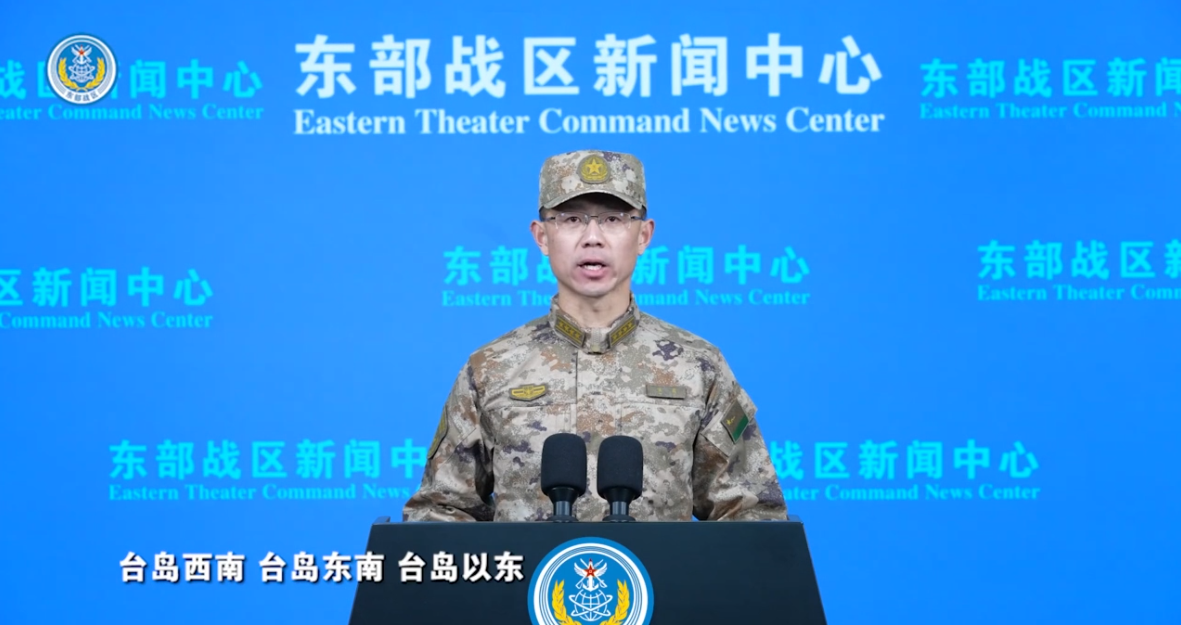
12月29日,解放軍在台灣北部、西南部、東南部和東部海域舉行實彈演習,動用了隱形戰鬥機、驅逐艦和飛彈發射裝置。解放軍東部戰區新聞發言人施毅陸軍大校表示,此次演習旨在警告台獨勢力和外部干涉。施毅強調了中國維護領土主權和國家統一的必要性。
這次演習名為「正義使命-2025」,選擇的時機就在美國國務院批准向台灣提供價值110億美元的軍備武器約兩周後舉行。這筆軍售項目包括價值40億美元的82套海馬斯多管火箭系統(Himars)、價值40億美元的60門自走砲,以及價值30億美元的一系列用於威懾的武器,涵蓋從「標槍」反坦克導彈、直升機零件,以至「魚叉」反艦飛彈等。
美續軍售台灣 觸怒中方 同場警告日本
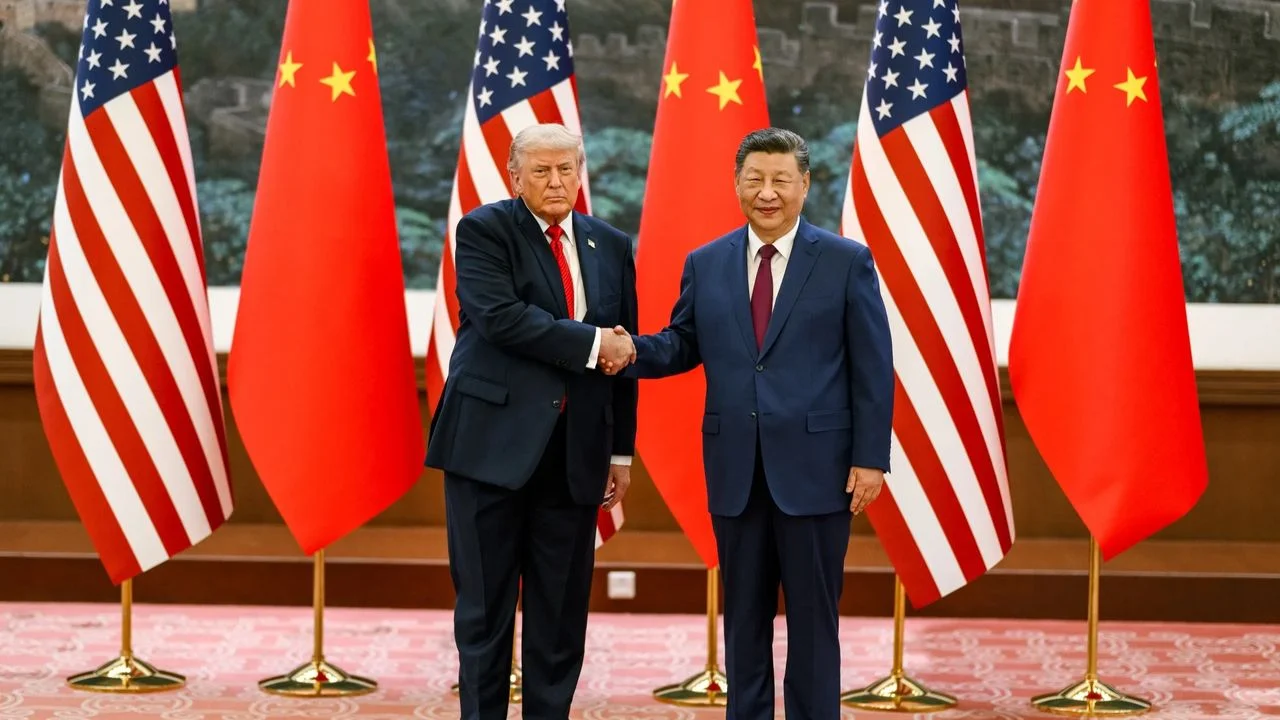
鑑於習近平主席和特朗普總統早期的會談,涉及中方要求美方停止向台灣出售武器,美國國務院最近的軍事支持顯然激怒了中方,導致2025年12月29日和30日的聯合軍事演習。
中央電視台播放的畫面,包括解放軍海軍054A型護衛艦、52D型飛彈驅逐艦等艦艇進行了實彈演練。這次軍事演習的海拔和緯度事先已公布,意在警告台灣方面和外部勢力。
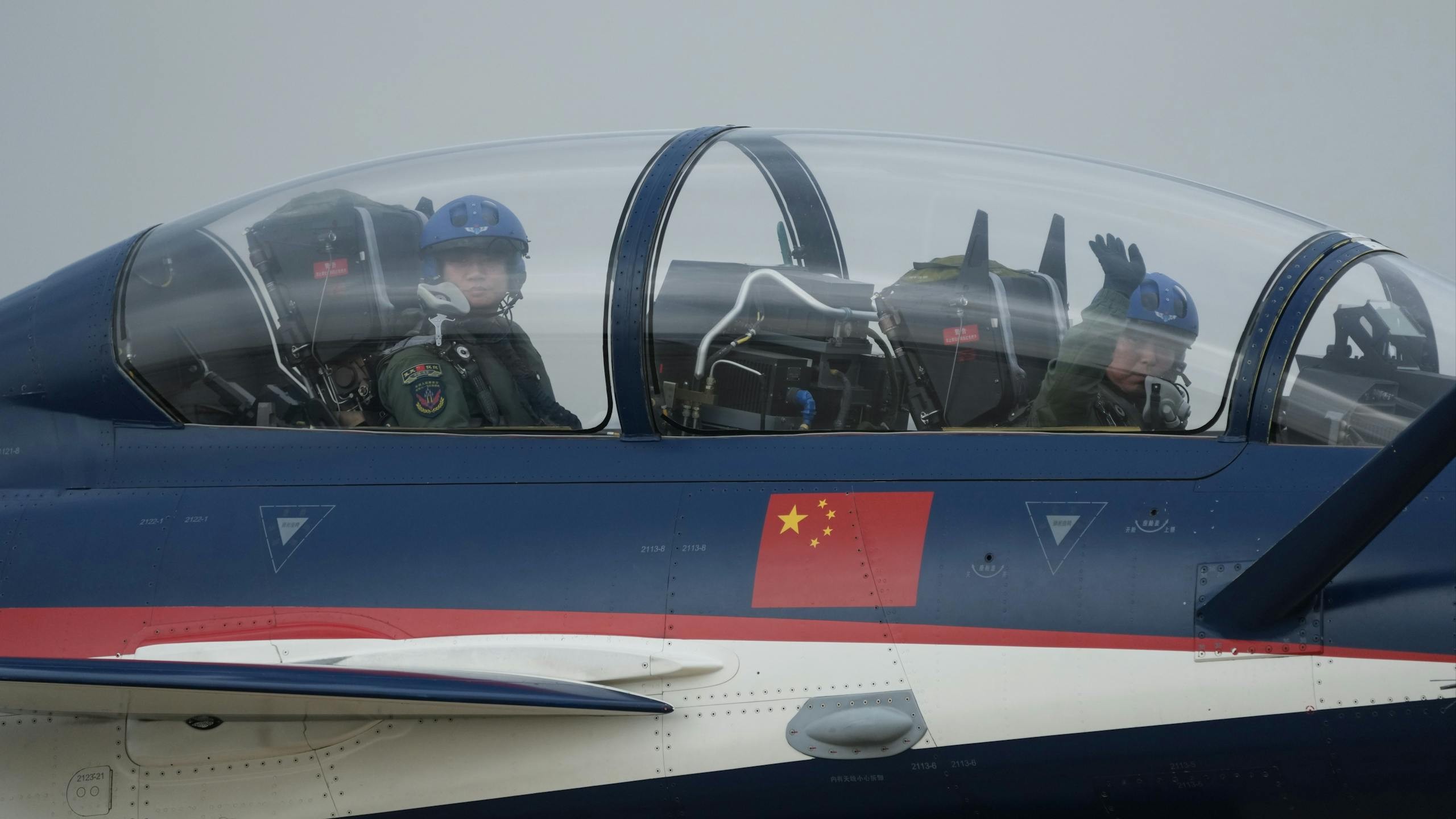
央視畫面更顯示,解放軍空軍出動了殲-20第五代隱形戰鬥機、殲-16戰鬥機和空警-500預警機,這表明解放軍空軍展現了強而有力的軍事經濟封鎖包圍台灣的能力。
其他解放軍武器包括彩虹-9(Rainbow-9)察打一體無人機、HSU001無人潛航器、「虎鯨號」無人作戰艇、「九天」無人機及小型無人機、機器狼(機器人)。
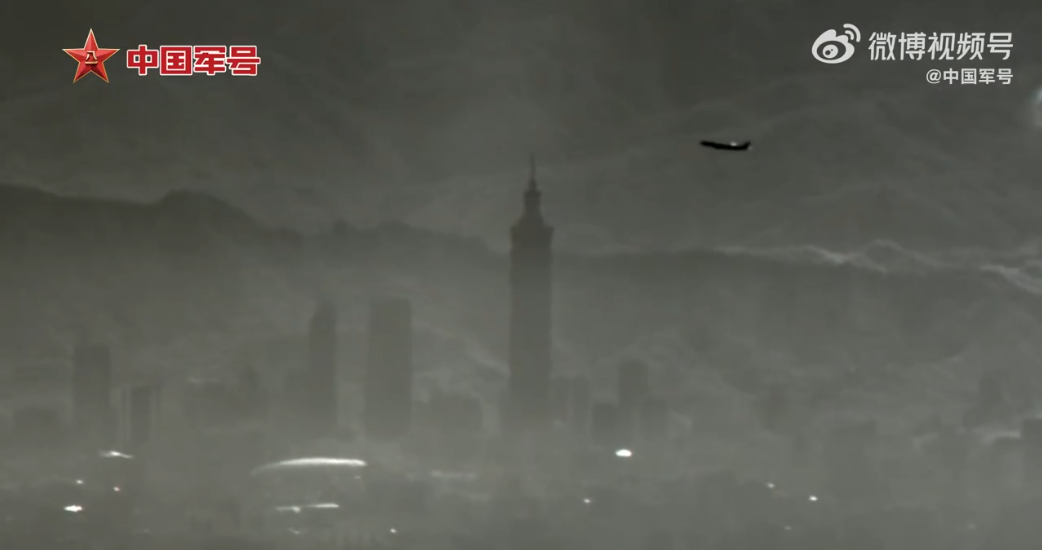
最引人注目的是,央視播放了一架無人機在台北101大樓附近飛行的畫面。台灣觀察家指出,這架無人機接近台北101大樓的畫面是人工智慧生成的假影像。
此外,解放軍這次展示實力似乎也在警告日本。日本首相高市早苗去年11月曾表示,任何對台灣的攻擊都將構成存亡危機的情況,此番言論激怒了中國。自從高市早苗發表此番言論以來,中日關係持續惡化。
鑑於日本與美國緊密的軍事同盟關係,日本暗藏着一項計劃,一旦兩岸爆發軍事衝突,日方便會支援台灣,這並不令人意外。
軍演覆蓋台能源供應及民用運輸
這次軍事演習在覆蓋台灣能源供應和民用運輸網絡的區域進行,這意味着解放軍有能力打擊台灣東部的軍事設施以及所有戰略區域,包括北部的基隆港、南部的高雄,以及左營的海軍和國防基地。

除了大陸無人機飛越台北101大樓的照片外,還有四張軍演海報值得關注。第一張海報描繪了一匹龍頭木馬,馬口噴火,解放軍戰機正向台灣南部沿海發射飛彈,海報主題是「正義之馬」,暗示2026年馬年將以軍事和政治正義為特徵。木馬也被描繪成立於航空母艦之上,展現了中國大陸的軍事實力。
第二張海報寫着「正義之錘 封港斷線」,其中「台獨」一詞被一記重錘砸碎。
第三張海報題為「正義之箭」,畫面中飛彈從台灣北部飛越台灣,直抵南部沿海。
第四張海報描繪了一條環繞台灣的紅色繩索,繩索上繪有四艘中國大陸戰艦和一個紅色纜繩造型,標題為「繩之以法」,暗示其依據的是2005年3月頒布的《反分裂國家法》。
這些軍演海報傳達了中國政府針對台獨運動時,不單合乎法理,而且具有軍事威脅的意味。

央視稱所有台獨勢力將被砸碎
這些軍演海報還配有大陸媒體的強烈評論。中央電視台稱所有台獨勢力都將被砸碎。新華社警告稱,挑釁行為將使解放軍更接近軍事行動;《人民日報》強調「正義必勝,和平必勝,人民必勝」。
台灣方面報告稱,17枚飛彈落入北部海域,10枚飛彈落入南部海域。 12月30日的演習擾亂了857條民用航線,影響了約10萬名乘客。國民黨主席鄭麗文批評賴清德政府挑釁北京,而她隨後的當選和可能訪問大陸突顯了她日益重要的中間人角色。
這次演習緊接在台北市長蔣萬安訪問上海出席滬台北城市論壇之後。在兩岸關係緊張的背景下,論壇並未取得任何突破。批評者指責國民黨斡旋不力,而國民黨支持者則指責民進黨採取強硬安全措施限制兩岸社會交往,從而激怒了中國。
大陸軍事專家認為,此次演習在多個方面都取得了成功:警告賴清德提出的400億美元武器採購計劃,譴責美國武器銷售違反一個中國原則,展示了解放軍將和平時期訓練與戰時準備相結合的能力,並加強了對台灣的包圍,以此警告台獨活動人士。
從更宏觀的角度來看,硬實力展示引發了人們對台海局勢意外升級的擔憂。管控此類風險取決於中間人的作用、外部行為、以及雙方的軍事謹慎克制,所有這些都將影響兩岸關係的穩定與和平前景。
A new assertion of hard power in cross-strait relations and its implications
A new show of hard power by the People’s Liberation Army (PLA) across the Taiwan Strait on December 29 and 30 was an unusual event, which was downplayed by President Donald Trump, but which has important implications not only for the US and Japan but also for the very strategic reunification efforts targeting Taiwan in the coming months and years.
On December 29, the PLA mobilised stealth fighters, destroyers and missile launchers during the live-fire drills off the north, southwest, southeast and east of Taiwan. Senior Colonel Shi Yi, who was the spokesperson of the PLA Eastern Theatre Command, remarked that the PLA exercise aimed to warn the “independence forces” and “external interference” (South China Morning Post, December 29, 2025, p. a1). Shi pointed to the need for China to safeguard its territorial sovereignty and national unity.
The drills were called Justice Mission 2025, and they took place just two weeks after the US State Department approved its military support of Taiwan with weapons amounting to US$11 billion. The military package embodies US$4 billion for eighty-two High Mobility Artillery Rocket Systems (Himars), US$4 billion for sixty self-propelled howitzers, and US$3 billion for a mixture of useful weapons for deterrence, ranging from Javelin anti-tank missiles to helicopters’ spare parts and to Harpoon anti-ship missiles.
Given that the earlier talks between President Xi Jinping and President Trump covered the Chinese request for the US side to stop the sale of weapons to Taiwan, the recent State Department’s military support obviously angered the Chinese side, thereby leading to the military drills on December 29 and 30, 2025.
The warships and fighters deployed by the PLA were noteworthy. CCTV showed PLA naval warships such as Type 054A frigates and Type 52D guided-missile destroyers that conducted live-fire drills. The altitude and latitude of the military exercises had been announced before the exercise, serving as a warning to the Taiwan side and “external forces”.
Military capabilities, imagery and warnings to regional actors
The CCTV footage revealed J-20 fifth-generation stealth fighters, J-16 fighter jets and KJ-500 early warning aircraft – an indication that the PLA air force demonstrated its capability of encircling Taiwan with a forceful military-economic blockade.
Other PLA weapons mentioned by Wen Wei Po on December 29 included drones like Rainbow-9 and HSU001, Tiger- and Jaw-type battle rafts, and wolf-type robots (Wen Wei Po, December 29, 2025). Most interestingly, the Mainland CCTV showed a drone flying near the Taipei 101 Tower. Observers from Taiwan said that such a drone approaching the Taipei 101 Tower was a fake image generated by artificial intelligence. Regardless of whether the image was fake or real, the Mainland media aimed to use images to reinforce a message of the PLA’s capability to strike at Taiwan effectively.
The show of the PLA’s capability also appeared to warn Japan, whose Prime Minister Sanae Takaichi’s remarks in November on any attack on Taiwan as constituting a “life-threatening situation” provoked China. Sino-Japanese relations have deteriorated since Takaichi’s slip of the tongue. Given Japan’s close military alliance with the US, it is unsurprising that Japan has a hidden plan to “rescue” or “assist” Taiwan in the event of the eruption of any mainland–Taiwanese military conflicts.
The military drills this time were conducted in areas that cover Taiwan’s energy supply and civilian transport networks, implying that the PLA would have the capability of striking the Taiwan military installations in the east and all the strategic areas, including the Keelung Port in the north, Kaohsiung in the south, and the naval and defence base at Zuoying.
Decoding propaganda, posters and the legal–military narrative
The propaganda images shown by the mainland media this time were unprecedented. Apart from the photo showing a Mainland drone flying near the Taipei 101 Tower, four posters deserve attention. The first depicted a horse with a dragon head and its mouth opening with fire, while PLA fighter jets were shooting missiles at the southern coast of Taiwan. The main wording of the poster was “The Justice of Horse”, implying that the Year of the Horse in 2026 will be characterised by “military” and “political” justice. The wooden horse appeared to carry a message that Taiwan cannot and will not be a Trojan Horse allowing “external forces” to go into its body; rather, the horse is fired with mainland Chinese weapons. The wooden horse is also seen as standing on an aircraft carrier, demonstrating the military might of the Chinese Mainland.
The second poster was punctuated by the words “Arresting Independence”, with a sharp arrow cutting across the word “independence”. The island of Taiwan was flown over by a Mainland Chinese helicopter, while the eastern part of the island showed a mainland aircraft carrier, again highlighting PLA superiority.
The third poster, titled “The Justice of Arrows”, showed missiles flying from the north across Taiwan to the southern coast. The fourth depicted a red-coloured string encircling Taiwan, with four Mainland Chinese battleships and a Chinese-style knot, under the title “Using the String to Tackle with Law”, implying reliance on the Anti-Secession Law enacted in March 2005.
Together, the posters conveyed a blend of legal justification and military coercion in addressing Taiwan’s independence movement.
Media messaging and the evolution of PLA exercises
The posters were accompanied by strong commentaries from Mainland media. CCTV stated that “all Taiwan independence forces” would be smashed (Wen Wei Po, December 29, 2025). Xinhua warned that provocations would bring the PLA closer to military action, while The People’s Daily stressed that “justice will win, peace will win, and the people will win”. The Global Times highlighted the steady growth of PLA strength. The overarching message was that the Chinese Mainland is capable of recapturing Taiwan at any time.
Hong Kong’s Wen Wei Po outlined four major PLA exercises from 2024 to 2025, each expanding operational scope: joint strikes, port and energy blockades, precision attacks on supply routes, and finally internal control and prevention of external intervention. Senior Colonel Shi Yi noted that these drills tested the integrated operations inside and outside the island chain and the ability to neutralise enemies at maximum range.
Taiwan reported that seventeen missiles landed in northern waters and ten in southern waters (Liberty Times, December 31, 2025). The December 30 exercise disrupted 857 civilian air routes, affecting about 100,000 passengers (Wen Wei Po, December 30, 2025). KMT Chairlady Cheng Li-wen criticised the William Lai government for provoking Beijing, while her subsequent election and potential mainland visit underscored her emerging intermediary role.
Domestic political implications and external reactions
The drills followed closely after Taipei Mayor Chiang Wan-an’s visit to Shanghai for the Shanghai–Taipei City Forum, which yielded no breakthrough amid tense cross-strait relations. Critics accused the KMT of ineffective mediation, while KMT supporters blamed the DPP for provoking China through hard-line security measures restricting cross-strait social interaction.
Mainland military experts described the exercises as successful in multiple respects: warning against William Lai’s proposed US$40 billion arms procurement, condemning US weapons sales as violations of the one-China principle, showcasing the PLA’s ability to integrate peacetime training with wartime readiness, and tightening the encirclement of Taiwan as a warning to independence activists.
Objectively, the exercises constituted a clear warning to external actors, particularly the US and Japan, against intervention in the Taiwan issue. They also served to caution DPP leaders ahead of the 2028 presidential election, while signalling a comparatively conciliatory approach towards the KMT as a potential intermediary.
From a broader perspective, the sustained assertion of hard power raises concerns about accidental escalation across the Taiwan Strait. Managing such risks will depend on intermediaries, restraint by external actors, and mutual military caution, all of which will shape the prospects for stability and peace in cross-strait relations.
原刊於澳門新聞通訊社(MNA)網站,本社獲作者授權轉載。(原文按此)