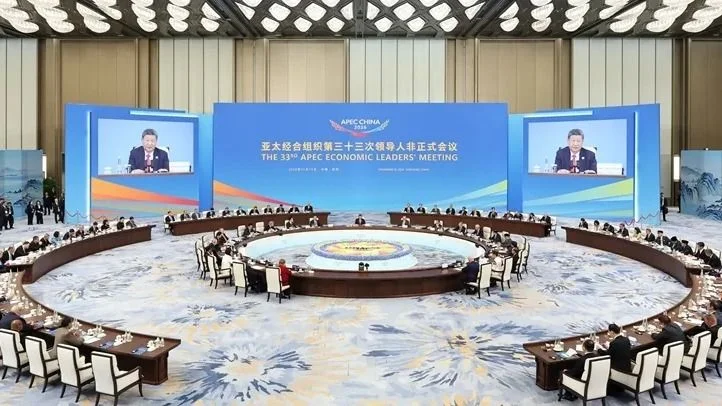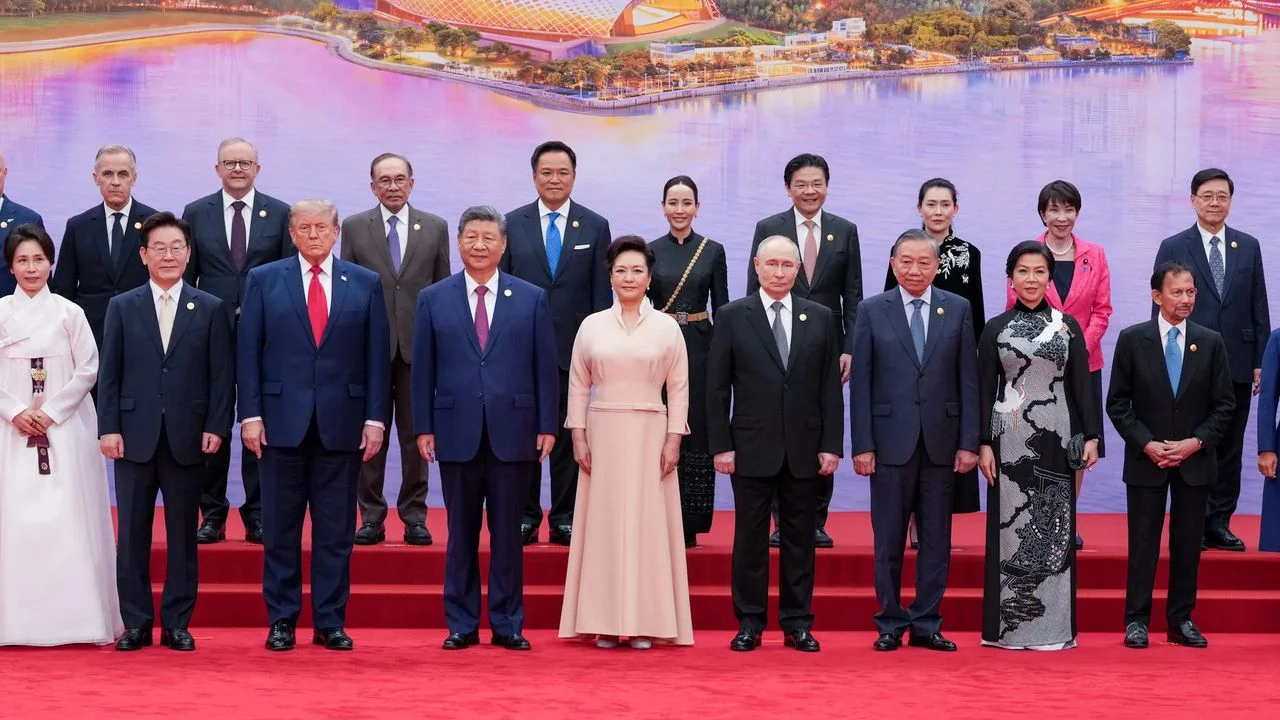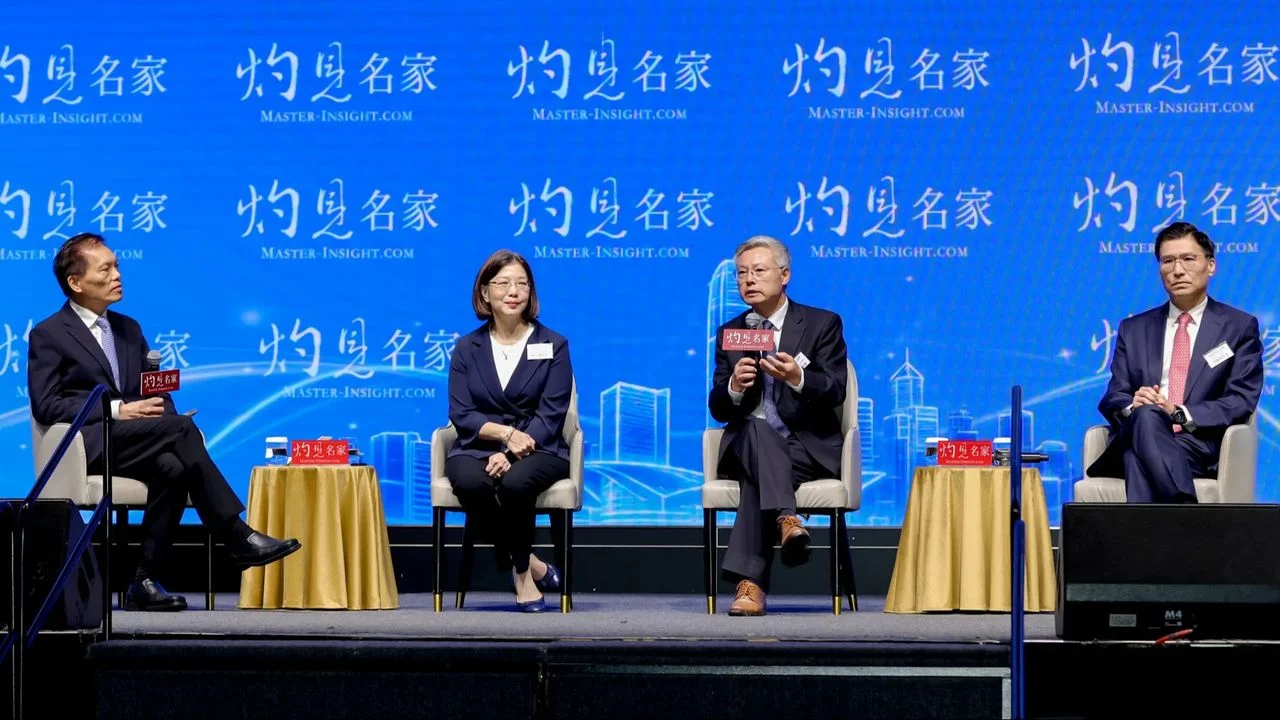



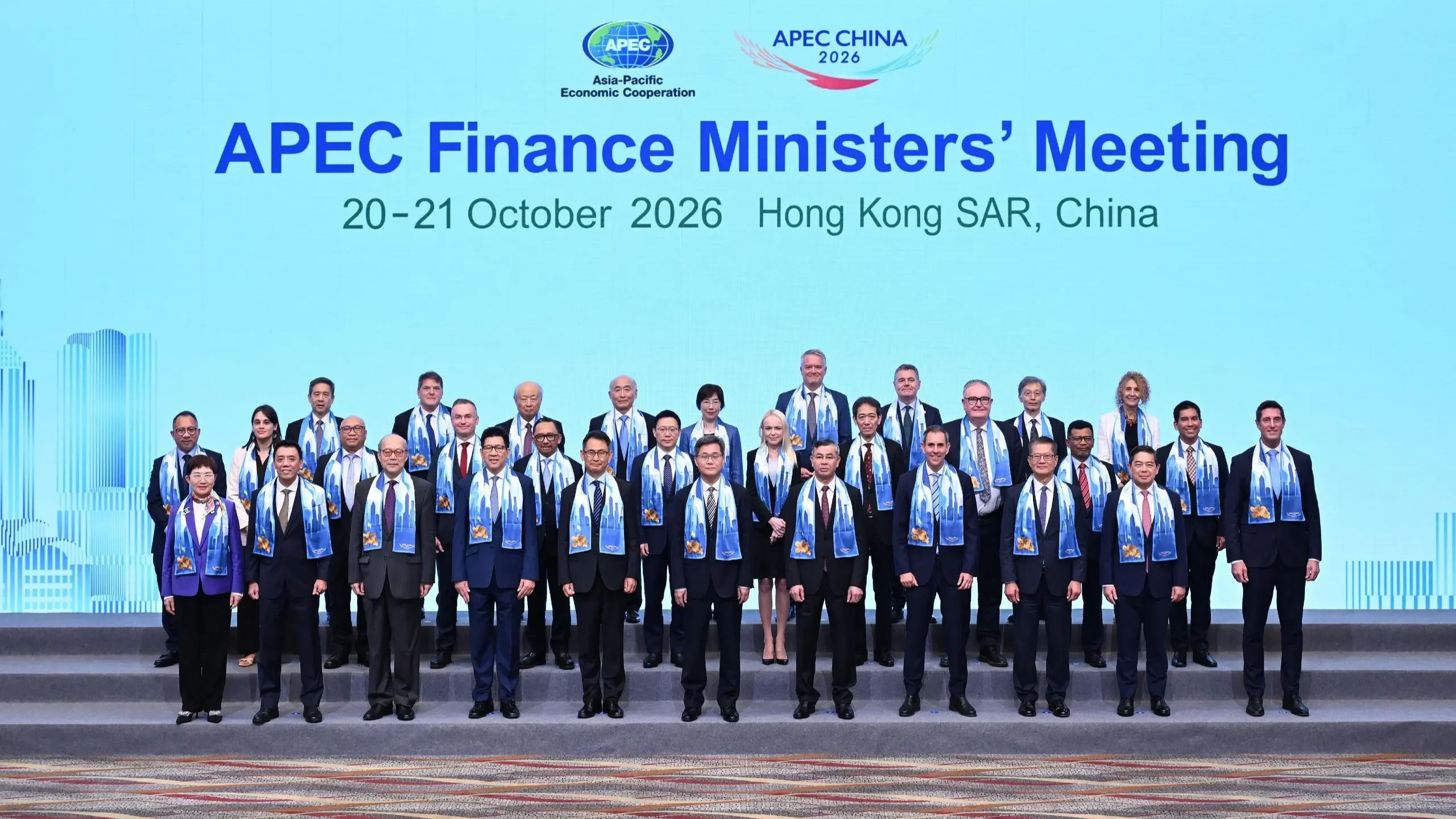
美國財政部高級官員在2026年APEC財長部長級會議的場邊,會晤美國頂級金融機構高管,突顯出政治辭令與經濟現實之間的巨大落差。華府口頭上時常談論「去風險化」與「戰略競爭」,但政策制定者仍持續把香港當作觀察區域資金流向、金融環境與商業情緒的關鍵觀測據點。
然而,圍繞香港未來的討論,往往聚焦於在全球格局日趨碎片化下,香港將會失去什麼。較少被提及的反命題卻是:倘若香港不再擔當亞洲頂級國際商業樞紐,美國又會損失什麼?這個問題的答案,也解釋了為何儘管政治摩擦反覆出現,雙方的經濟往來依舊展現出極強韌性。
香港在美國的全球經濟關係之中,佔據着獨特位置。在華府眾多主要貿易夥伴裏,香港是少數幾個美國能夠持續取得巨額貨物貿易順差的經濟體。
香港成美高價值出口品重要市場
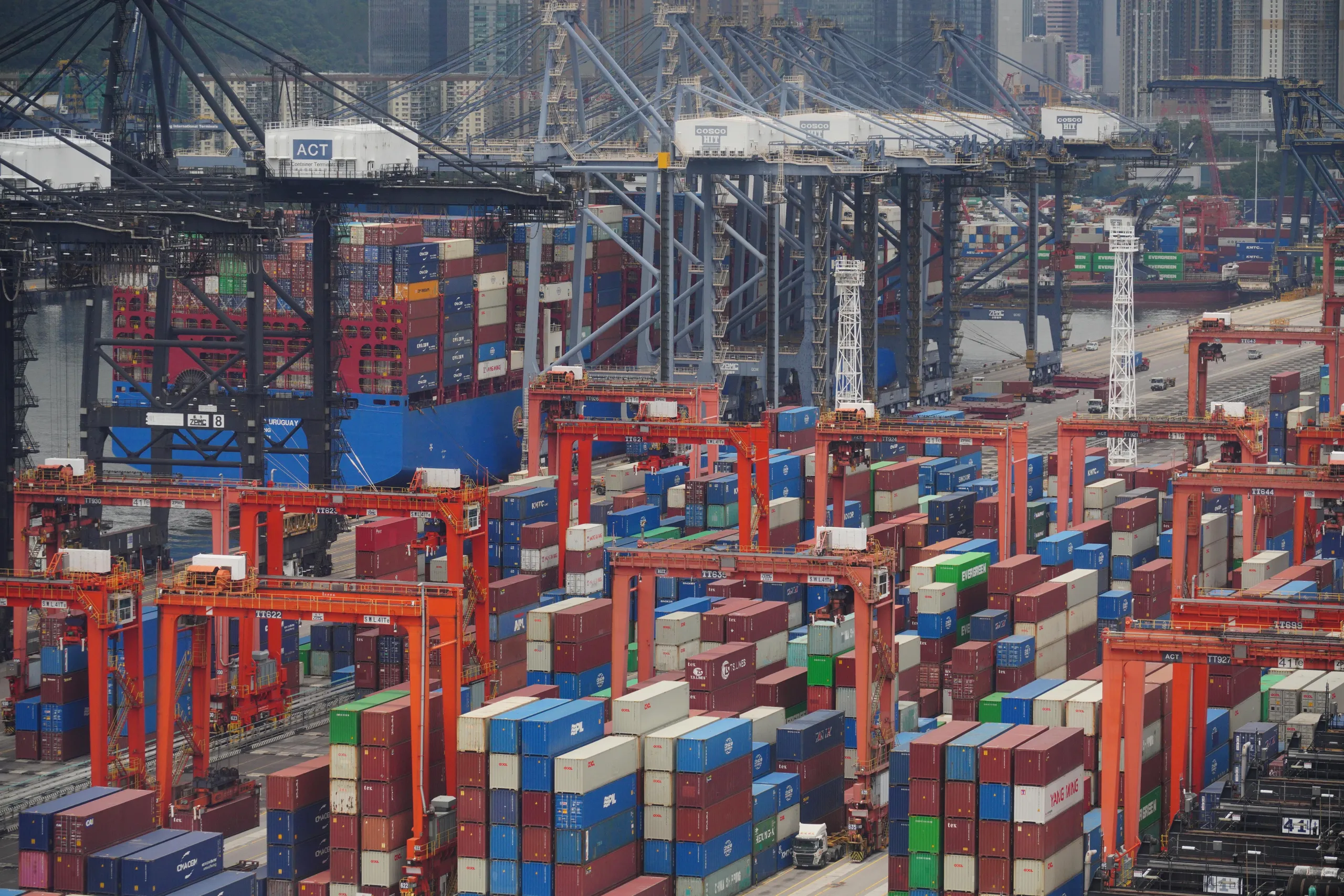
雙邊經貿關係在2026年依舊穩固。美國人口普查局數據顯示,該年首九個月,美國對香港貨物貿易順差達377億美元,已經超越2025年全年285億美元的順差規模。
這筆順差不只是帳面數字。香港依然是美國高價值出口品的重要市場,涵蓋農產品、醫療設備、奢侈消費品、航空航天相關產品以及專業服務。在貿易逆差主導華府政治辯論的大背景下,香港持續為美國出口商與勞動者帶來實質商業利益。
雙邊貿易的韌性同樣值得關注。2026年前八個月,香港對美國出口按年增長63.4%,美國維持香港第二大出口市場的地位。
這些數據說明,儘管美港摩擦不斷,兩地企業仍看重彼此經貿往來的價值。然而,單靠貿易尚不足以解釋香港歷久彌新的重要性;其更深層的價值,在於為整個亞太經濟體所承擔的多元制度性功能。
香港獨特制度優勢組合難複制
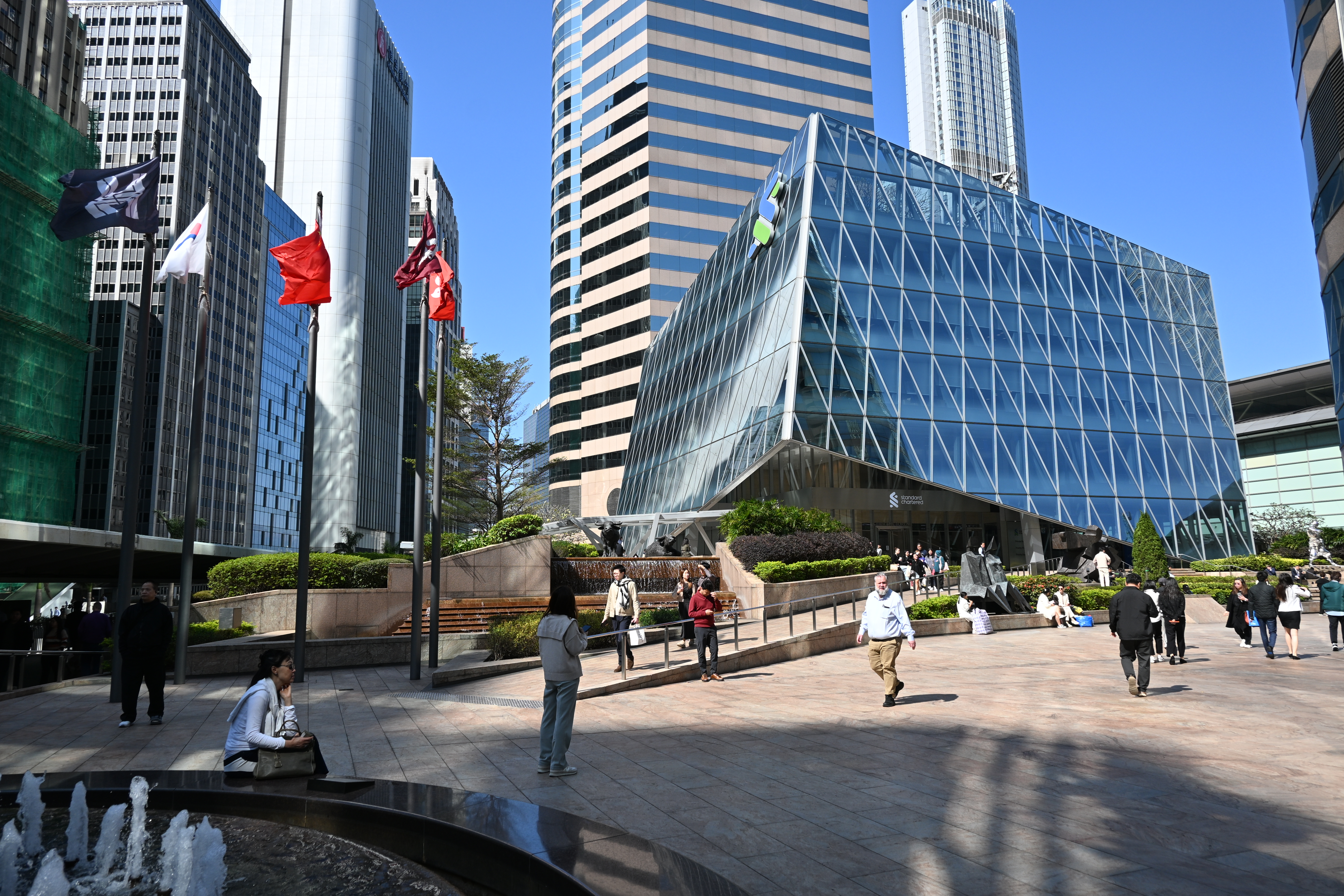
如果說貿易構成雙邊關係的基礎,金融就是其戰略核心。香港駐有13家持牌及有限制牌照美資銀行、20家由美國資本控制的保險公司;美國在港累計直接投資超過530億美元。這些企業持續落戶香港,反映出它對本地深厚的資本市場、普通法體系、資金自由流動以及世界級專業服務的信心。
關鍵問題不在於世上是否存在其他替代金融中心,而是有沒有另一座城市,可以複製香港這一套獨特的制度優勢組合。在全球經濟日趨碎片化的時代,香港充當不同法律體系、監管規則與商業文化之間的介面,讓跨國企業在多個司法管轄區營運時,擁有更高的效率與確定性。
伴隨企業推動供應鏈多元化,業務拓展至亞洲多個市場,香港的這一角色價值更為突顯。對眾多跨國企業而言,香港已經不單純是進入內地的門戶,更是值得信賴的金融介面,串起亞洲各地不同市場、監管制度與資金池。對華府來說,若減少與香港的互動,便意味對全球最具活力經濟區域之一的觀察視野會受到削弱。
美國企業亞洲總部首選香港
香港持續發揮影響力,最有力的證據未必來自政府,而是來自企業本身。目前約有1400家美國企業的辦事處設於香港。據香港美國商會《2026年商業情緒調查》,92%受訪企業表示,未來三年沒有計劃將總部或營運業務遷往其他地區;企業對香港法治的信心升至94%,高於前一年的83%;過半受訪者對當年的商業前景抱持樂觀態度。
這些調查結果意義重大,它反映的是企業實際行動所體現的偏好,而非僅僅政治口號。企業的決策取決於盈利能力、競爭力以及長遠商業機會。美資企業繼續駐足香港,說明香港提供的各項優勢,是這些企業不願意捨棄的。
如今廣為採用的「中國+1」策略正好印證這一點。企業把生產環節分散到東南亞以及其他新興市場,但仍然需要一套完備的總部經濟體,用以統籌分散的營運據點、處理跨邊界的複雜事務。很多時候,供應鏈多元化反而會增加,而非減少對這類樞紐城市的需求。
因此香港未來的定位,會慢慢脫離傳統門戶的角色,更多充當跨國企業的總部樞紐,協調亞洲區內的投資、供應鏈、人才以及風險管理。
不過,美港經貿互動具備韌性,不代表可以安於現狀。結構層面的重要性,不會自動轉化為未來的競爭力。全球各大城市之間競爭加劇,僅僅守好現有優勢已經不足夠。香港若想維持對跨國商業的不可或缺性,有四大工作重點尤為突出:
第一,擴大實質性的城市間合作。聯邦層級的意見分歧,不應阻礙存在共同經濟利益領域的合作。香港應深化與美國主要城市、商業團體、州級經濟部門的往來,圍繞金融、創新、可持續發展、城市發展舉辦常態對話。這類溝通渠道,可以把商業合作和宏觀政治分歧隔離開來,同時夯實雙方商業紐帶。
第二,強化作為制度與數據橋樑的角色。商業活動愈來愈以數據驅動,香港有機會成為可信平台,承擔跨邊界數據治理、合規管理、監管協調的功能。在各種規則標準互相競爭的格局之下,銜接不同制度的能力,或許會成為香港最寶貴的競爭優勢之一。
香港須鞏固全球資金安全港地位
第三,鞏固全球資金安全港的地位。香港堅守貨幣穩定、資本自由流動、開放金融市場,是其核心優勢。全球不確定性升溫的當下,這些特點依舊吸引著既追求投資機遇、也看重資產安全的國際資本。守護好這類制度優勢,是維持市場長期信心的根本。
第四,成為區域供應鏈的指揮中心。供應鏈地理分布日趨分散,但彼此聯繫更緊密。香港不應把多元化視作威脅,而要把自身定位為總部型經濟,協助跨國企業統籌亞洲各地的生產、物流、融資以及風險管理。完備的專業服務生態與國際視野,讓香港非常適合承擔這一角色。
綜合種種趨勢,香港正面臨一個機會窗口。儘管政治層面時常放大分歧,但市場參與者永舊會跟隨激勵機制、效率與制度優勢作出選擇。
對美國而言,香港早已不只是一個市場,也不僅僅是一座金融中心。它是美國資本、企業網絡與商業利益接觸亞洲的關鍵平台。
所以真正的問題,並非香港對美國還重不重要──各項數據證明它確實重要。更核心的命題是:香港能否立足現有基礎,進一步強化這份其他城市難以複製的獨特角色,在亞洲愈發碎片化的經濟版圖之中,打通資本、商貿與企業決策之間的連結。
When senior United States Treasury officials met with executives from leading American financial institutions in Hong Kong on the sidelines of the APEC Finance Ministerial Meeting 2026, the gathering highlighted a striking contrast between political rhetoric and economic reality. While Washington often speaks of “de-risking” and “strategic competition”, policymakers continue to engage Hong Kong as a critical vantage point for understanding regional capital flows, financial conditions and business sentiment.
Yet the debate over Hong Kong’s future often focuses on what the city stands to lose from a more fragmented world. Less attention is paid to the reverse question: What would the US lose if Hong Kong ceased to function as one of Asia’s leading international business hubs? The answer helps explain why, beneath recurring political frictions, economic engagement remains remarkably resilient.
First, the trade surplus America values. Hong Kong occupies a distinctive position in America’s global economic relationships. Unlike many of Washington’s major trading partners, it is one of the few economies with which the US consistently enjoys a substantial merchandise trade surplus.
The relationship remains strong in 2026. According to US Census Bureau data, the US recorded a goods trade surplus of $37.7 billion with Hong Kong in the first nine months of the year, already exceeding the full-year surplus of $28.5 billion in 2025.
This surplus reflects more than accounting outcomes. Hong Kong remains an important market for high-value American exports, including agricultural products, medical equipment, luxury consumer goods, aerospace-related products and professional services. At a time when trade deficits dominate political debate in Washington, Hong Kong continues to generate tangible commercial benefits for American exporters and workers.
The resilience of bilateral trade is equally noteworthy. Hong Kong’s exports to the US rose 63.4 percent year-on-year during the first eight months of 2026, while the US remained Hong Kong’s second-largest export market.
These figures suggest that, despite friction, businesses on both sides continue to find value in economic engagement. Yet trade alone does not explain Hong Kong’s enduring relevance. Its greater importance lies in the institutional functions it performs for the broader Asia-Pacific economy.
Second, the financial interface America needs. If trade provides the foundation of the relationship, finance forms its strategic core. Hong Kong hosts 13 licensed and restricted-license US banks and 20 US-controlled insurance companies, while cumulative US direct investment exceeds $53 billion. Their continued presence reflects confidence in the city’s deep capital markets, common law system, free capital flows and world-class professional services.
The critical question is not whether alternative financial centers exist. It is whether another city can replicate Hong Kong’s unique combination of institutional strengths. In an increasingly fragmented global economy, Hong Kong serves as an interface between different legal systems, regulatory regimes and business cultures, allowing companies to operate across jurisdictions with greater efficiency and certainty.
As businesses diversify supply chains and expand across multiple Asian markets, this role becomes more valuable. For many international firms, Hong Kong is no longer merely a gateway but a trusted financial interface linking different markets, regulatory systems and pools of capital across Asia. For Washington, reduced engagement with Hong Kong would mean diminished visibility into one of the world’s most dynamic economic regions.
Third, the headquarters hub American business chooses. Perhaps the strongest evidence of Hong Kong’s continuing relevance comes not from governments but from businesses themselves. Approximately 1,400 US company offices continue to operate in Hong Kong. According to the American Chamber of Commerce in Hong Kong’s 2026 Business Sentiment Survey, 92 percent of respondents reported no plans to relocate their headquarters or operations elsewhere during the next three years. Confidence in Hong Kong’s rule of law rose to 94 percent, up from 83 percent a year earlier, while more than half expressed optimism about the business outlook for the year ahead.
These findings matter because they represent revealed preference rather than political rhetoric. Businesses make decisions based on profitability, competitiveness and long-term opportunity. The persistence of American corporate presence suggests that Hong Kong continues to offer advantages that firms are unwilling to abandon.
The increasingly popular “China+1” strategy illustrates the point. As companies diversify production across Southeast Asia and other emerging markets, they still require a sophisticated headquarters economy capable of overseeing dispersed operations and managing cross-border complexity. In many cases, diversification increases the need for such a hub rather than reduces it.
Hong Kong’s future role therefore lies less in being a traditional gateway and more in serving as the headquarters hub from which multinational companies coordinate investments, supply chains, talent and risk management across Asia.
However, the resilience of US economic engagement with Hong Kong should not breed complacency. Structural importance does not automatically guarantee future relevance. In an era of growing competition among global cities, preserving existing strengths is no longer enough. If Hong Kong wishes to remain indispensable to international business, four priorities stand out.
First, expand practical city-to-city cooperation. Federal-level disagreements need not prevent cooperation where mutual economic interests remain strong. Hong Kong should deepen engagement with major US cities, business associations and state-level economic actors through regular dialogues focused on finance, innovation, sustainability and urban development. Such channels can help insulate commercial cooperation from broader political differences while strengthening business links.
Second, strengthen Hong Kong’s role as an institutional and data bridge. As commerce becomes increasingly data-driven, Hong Kong has an opportunity to become a trusted platform for cross-border data governance, compliance management and regulatory coordination. In a world characterized by competing rules and standards, the ability to bridge different systems may become one of Hong Kong’s most valuable competitive advantages.
Third, consolidate its position as a global capital safe haven. Hong Kong’s commitment to monetary stability, free capital flows and open financial markets remains one of its greatest strengths. At a time of heightened global uncertainty, these characteristics continue to attract international capital seeking both opportunity and security. Protecting these institutional advantages is essential to maintaining long-term confidence.
Fourth, become the command center for regional supply chains. Supply chains are becoming more geographically dispersed but also more interconnected. Rather than viewing diversification as a threat, Hong Kong should position itself as the headquarters economy that helps multinational companies coordinate production, logistics, financing and risk management across Asia. Its professional services ecosystem and international orientation make it well suited to play that role.
Taken together, these trends point to a window of opportunity. While politics often focuses on differences, economic actors continue to respond to incentives, efficiency and institutional strengths.
For the US, Hong Kong remains more than a market and more than a financial center. It remains a critical platform through which American capital, corporate networks and commercial interests engage with Asia.
The question, therefore, is not whether Hong Kong still matters to America. The evidence suggests it does. The more important question is whether Hong Kong can build on that foundation and strengthen the unique role that no other city easily replicates: connecting capital, commerce and corporate decision-making across Asia’s increasingly fragmented economic landscape.
原刊於《中國日報》國際版網站,本社獲作者授權轉載。(原文按此)