


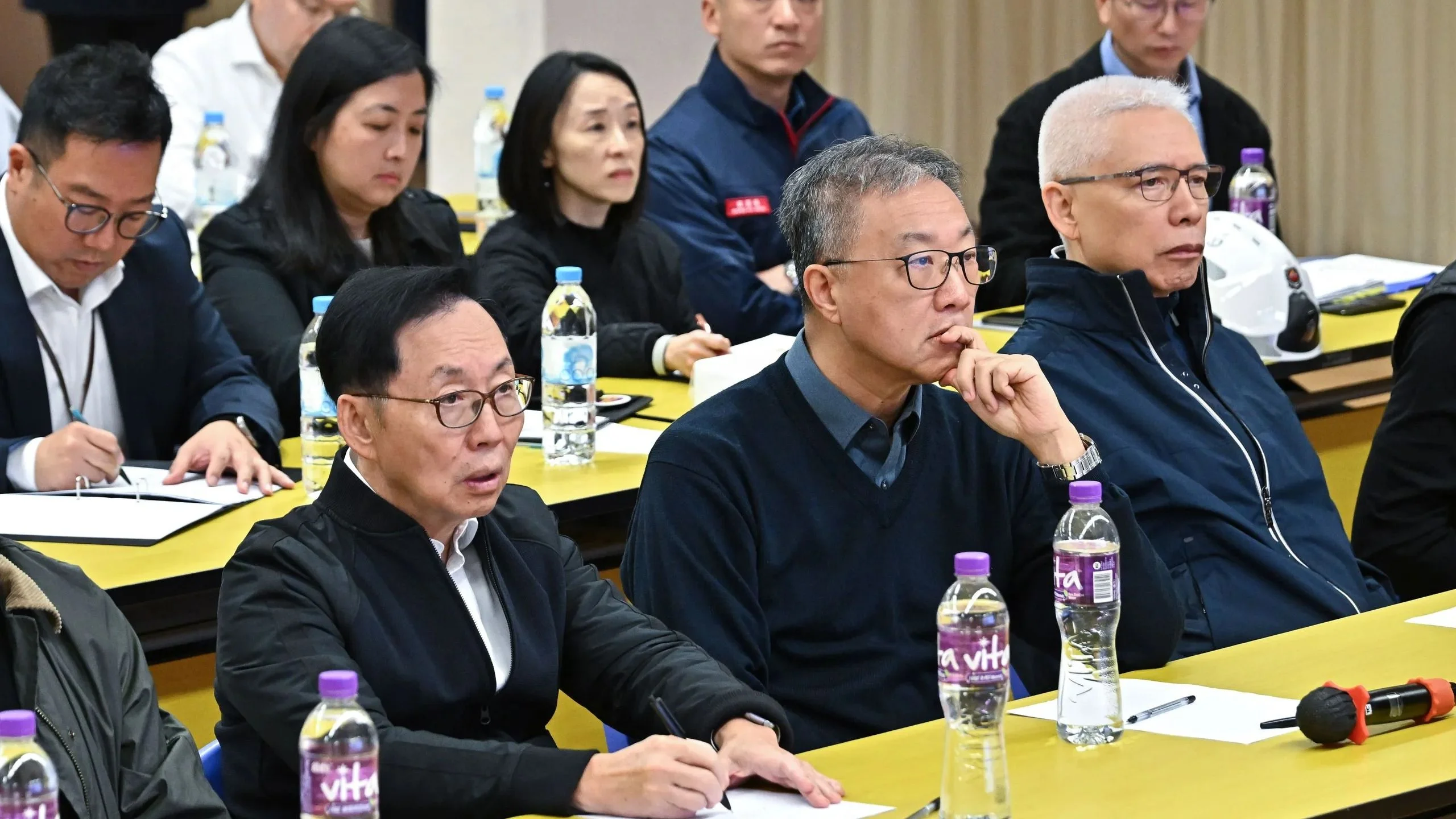
若論國家安全最根本的元素在於守護市民的生命,那麼在獨立委員會發表宏福苑大火慘劇調查報告後,港府的回應,突顯特區政府政治問責的情況。從政治學角度審視,管治團隊針對慘劇的整體回應與處置,實質牽涉並檢驗三大問責範疇:政治、行政,以及制度問責。
具體而言,政治問責即是由行政長官委任的主要官員,如何應對獨立委員會的報告。行政問責則指向公務員團隊如何正視報告調查結果的問題,以及落實改革建議。本文定性制度問責為審視現行政治體系應對該調查報告,包括負責香港事務的中央部門的態度。
首先,行政長官李家超於10月29日帶領七名主要官員,就2025年11月26日宏福苑發生的慘劇向公眾致歉;這場火災造成168人罹難,1984個家庭失去家園。房屋局局長何永賢為承擔政治責任提出請辭。
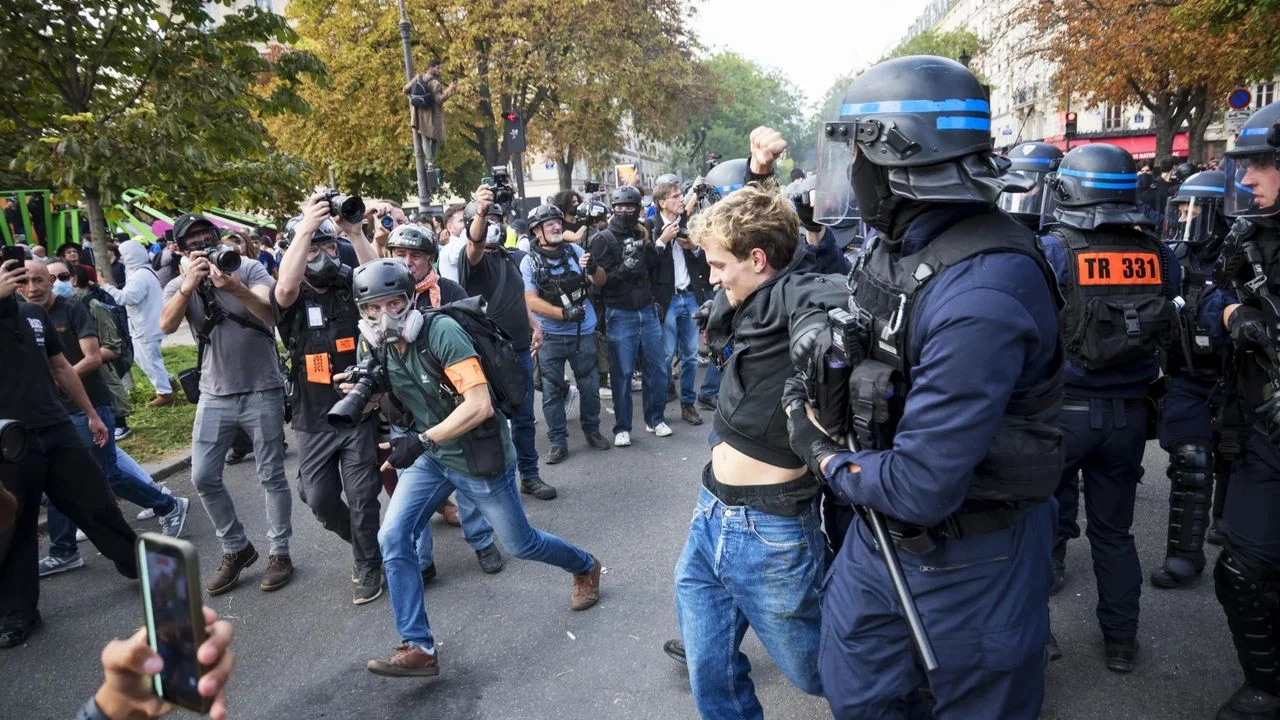
傳媒代災民追問
記者在記者會上追問行政長官:是否應該有更多局長辭職。行政長官回應,由他這位當家人判斷其餘官員應否留任推動必要的改革,秉持以民為本管治。
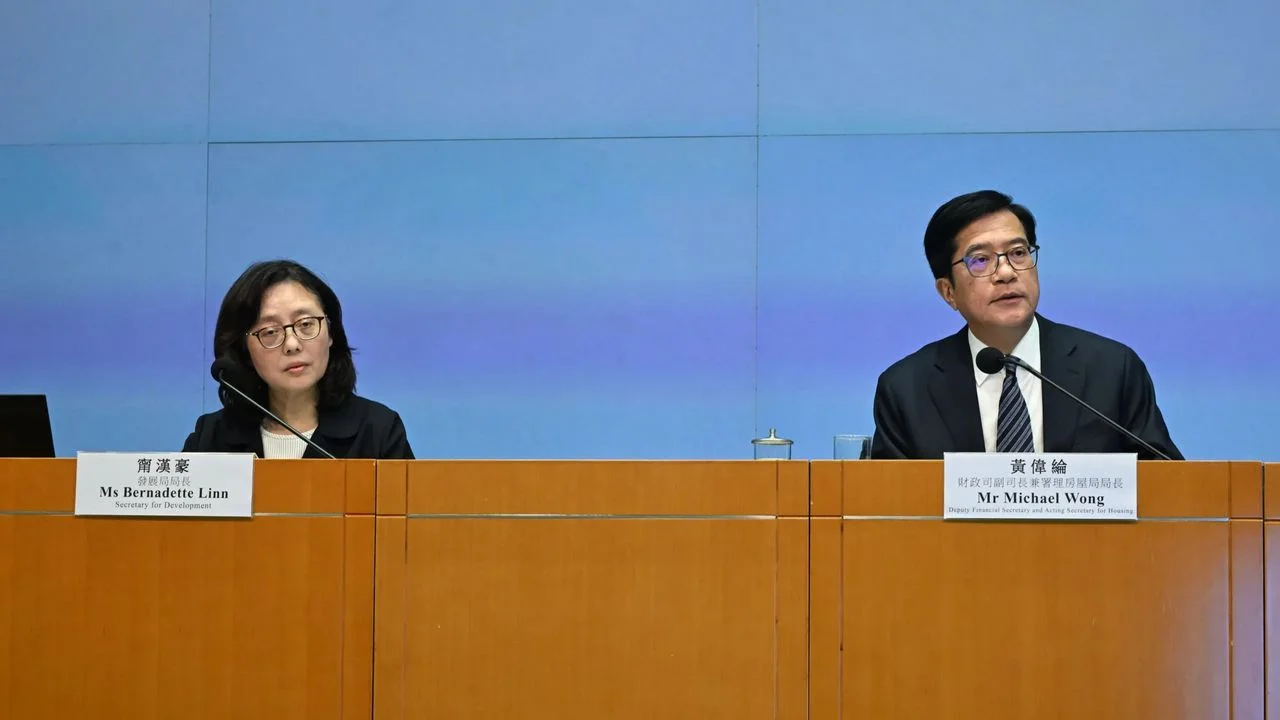
對於特區政府處理政治問責的手法,網民反應最值得關注。不少網民直言房屋局局長是代罪羔羊,有些網民說欣賞何永賢勤懇和功績,如為輪候公屋的貧苦大眾和有需要人士提供過渡性房屋。另有網民意見認為單單一名局長辭職並不足夠,這說明為何10月30日保安局局長鄧炳強、勞工及福利局局長孫玉菡、發展局局長甯漢豪出席記者會時,遭記者繼續追問他們是否應該辭職。
這現象反映本地傳媒扮演重要角色,代火災遇難者發聲,期望管治香港的領導階層拿出更強的問責決心、更果斷的政治問責行動。這也說明,宏福苑火災慘案令特區政府陷入前所未有的管治危機,是2020年中《港區國安法》頒布之後尤為突出的狀況。
客觀而言,主要官員問責制自2002年7月1日董建華政府時期推出,至今已經運作24年。早年確也是成形的:行政長官訓斥犯錯官員、涉事官員公開致歉,部分更引咎辭職。
問題的關鍵在於:這些問責慣例雖已行之有年,但2022年7月1日上任的新一屆管治班子,對這些傳統似乎記憶淡薄,在宏福苑火災剛發生時尤為明顯——若能及早致歉,原本有望紓解不斷積聚的民憤與不滿。
道歉時機太遲
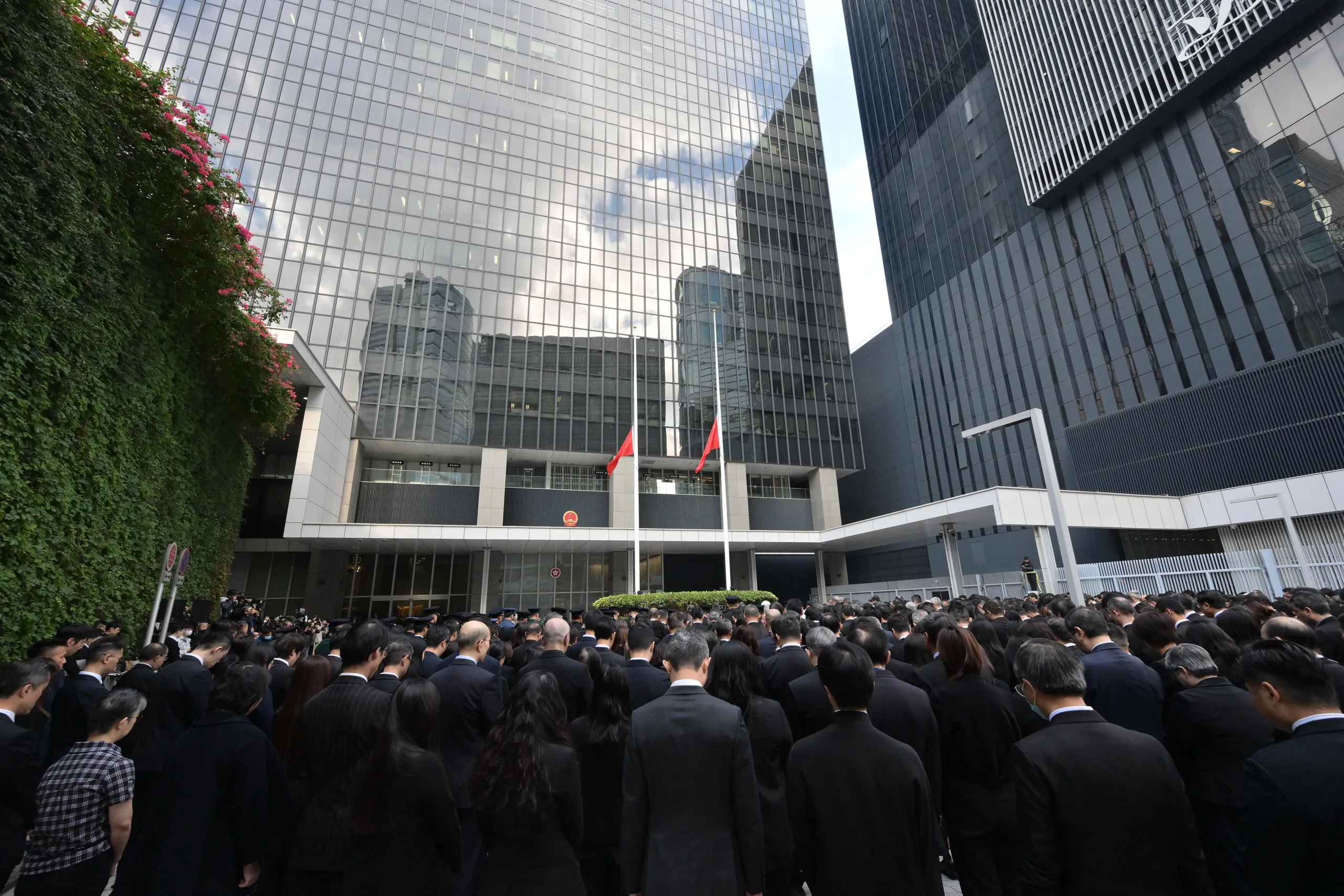
嚴格來說,拖延至10月29日才公開致歉,時機顯然已經太遲,儘管港澳辦同日發表評論支持特區政府高層的處理方式。
特區政府與中央相關部門或許都忽略了一點──港人的新政治文化已已然轉變。回顧1997年回歸至《香港國安法》頒布之前,香港的政治文化長期呈現三大派並存的局面:政治行動主義、政治冷感,以及溫和路線。
2020年6月底《港區國安法》實施後,特區的政治文化逐步轉變:政治冷感派日益擴大;過去屬於反對派陣營的政治行動力量消退,取而代之的是愛國者及其支持者;尤為重要的是,社交媒體上湧現出愈來愈多抱持日益質疑的態度、敢於發聲批評的群體。
這群持質疑心態且勇於批評的網民,對於他們眼中特區領導階層在政治問責上力度不足,明顯深感不滿。
幸而絕大多數香港市民在政治上務實,大致接受特區政府對獨立委員會報告的回應。雖然部分市民在社交平台抒發憤怒與委屈,但他們都守法,並沒有抱着「以災亂港」的心態──這正是宏福苑大火在2025年11月發生後,愛國媒體用來提醒部分市民的詞句。
當局或許因為高度警惕針對國家安全的「軟對抗」,所以認為災後初期高層致歉會顯得「不適當」、「未夠成熟」,甚至「示弱」。事後回顧,2025年11月宏福苑大火發生之後,維護國安與落實問責之間這股隱蔽張力,隨即浮現。
官僚疏漏與公務員的挑戰
官僚行政問責方面,獨立委員會報告點名批評四個政府部門(房屋局獨立審查組、勞工處、消防處以及屋宇署)存在監管缺失。特區政府迅速推出補救措施與改革方案,包括成立全新的樓宇維修支援及服務局、堵塞消防安全規管漏洞、把圍標刑事化。
裝修及建造業長期被黑幫與不良分子滲透,把圍標列為刑事罪行,實在遲來。政府修訂《競爭條例》,增設圍標、操縱價格、瓜分市場等刑事條文,方向正確。同時,《有組織及嚴重罪行條例》亦會修訂,容許當局強制要求疑犯回答問題、提交資料以及凍結資產。
這趟最重要的一項官僚行政問責舉措,是啟動為期三個月的調查,審查約50名公務員的工作表現。調查結果會交予公務員敍用委員會跟進處理。
在10月29日記者會上,行政長官至少兩次形容香港公務員隊伍整體表現良好,反映當局兩難:一方面要處理部分部門失誤,另一方面亦要維持公務員士氣。
客觀來說,宏福苑大火重創香港公務員隊伍的士氣與形像,程度前所未有。獨立委員會報告指出,負責樓宇安全、臨時工程、建材監管、職安健執法、消防安全的各部門,出現「系統性跨部門協調失效」。可悲的是,宏福苑大火正是公共行政教科書描述官僚弊病的典型樣本:形式主義、官僚、嚴苛僵化、反應遲鈍、部門山頭主義、部門之間缺乏協調與溝通。
因應行政問責,特區政府推出的主要改革,是設立全新的樓宇維修支援及服務局。不過不少持批評態度的網民當即已提出質疑:以新的服務局取代獨立審查組大部分人員,是否真的能夠改善官僚體系處理樓宇安全?
事後回看,由1997年回歸直至2025年11月宏福苑大火前,特區政府對樓宇消防安全採取相對分散的管理模式,相關工作交由多個官僚單位負責,整體欠缺統籌、監督與高層統一領導。新機構能否真正集中權責、解決宏福苑大火暴露出來的種種問題,仍有待時間驗證。
制訂與執行政策能力偏弱
第三層是制度問責。值得肯定的是香港媒體的記者與編輯,一直坦誠、大膽地提出問責議題,年輕記者敢於就問責向行政長官和主要官員提出尖銳問題;這印證本地媒體已經適應2020年之後香港特區新的政治環境。在特區新政治體制下,對抗性的反對聲音已成過去,但本地媒體仍然可以提出建設性批評、尖銳提問,在這個新的行政主導體制之中,對掌管治權的精英發揮愈來愈重要的監察作用。
際此行政主導的新政制,立法會議員如何跟進獨立委員會報告,確保政府的補救與改革措施切實落地,避免再發生類似宏福苑火災的慘劇,仍有待觀察。
如果制度問責包含政治學習這一層意義,香港政府與官僚體系能否從過往行政失誤汲取教訓、這套針對樓宇安全和裝修業的新行政改革能否奏效,同屬未知數。由環保膠袋收費到推動市民佩戴安全帶,香港政府不少政策,制訂與執行力度一向偏弱。單靠罰則,往往無法令政策有效落地——如這觀察成立,那麼只靠重罰也未必能令樓宇維修業成功建立必要紀律。
當局或許需要推行大規模宣傳教育以及更深層改革,例如由廉政公署派出宣傳教育人員走訪各裝修建造公司,提升負責政策執行官員的危機意識與政治敏感度,加入強化領導能力與跨部門協調的要求到中基層官員的考績制度。
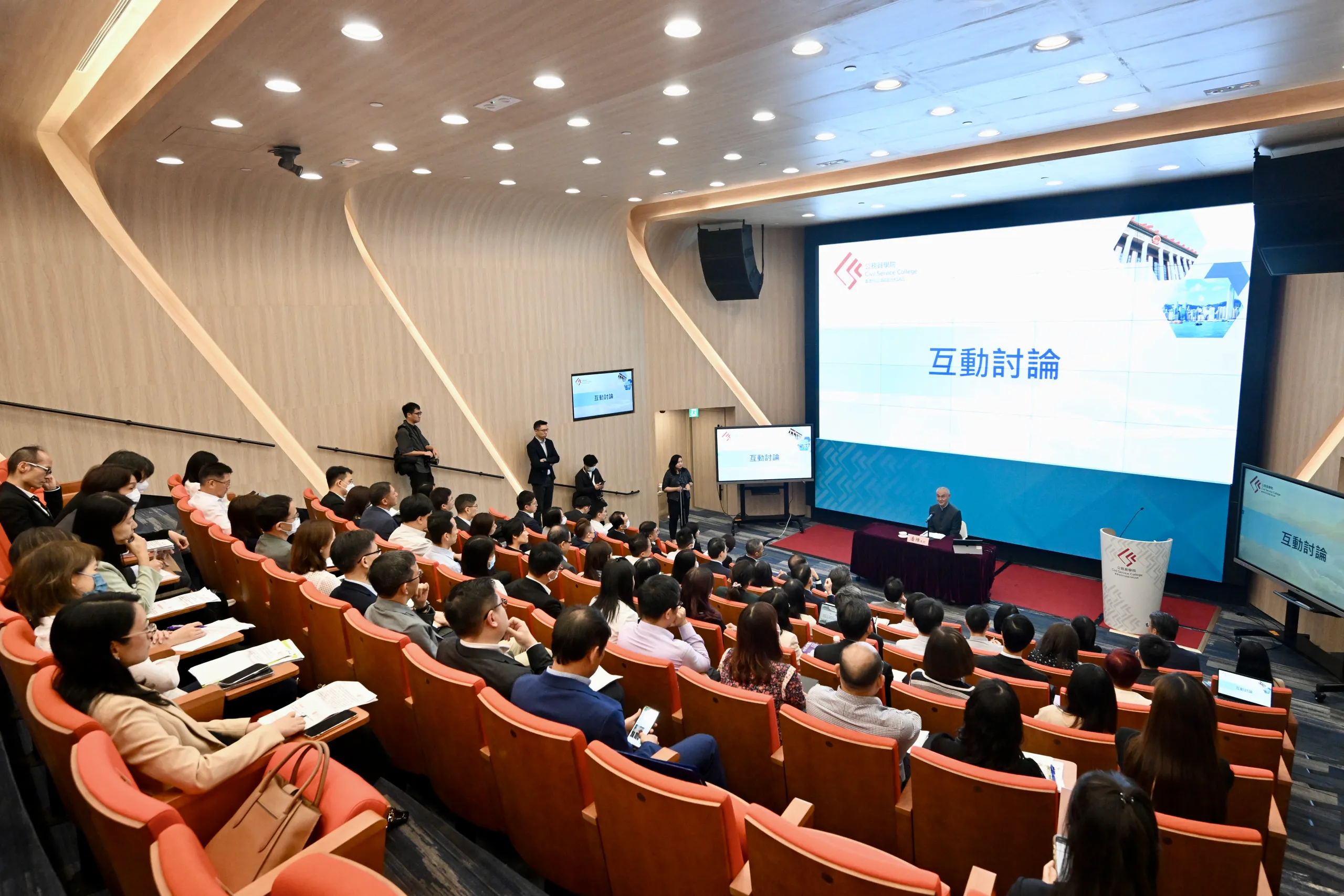
如果香港公務員整體工作表現並不如普遍看法般理想,那麼2021年成立的公務員學院的公務員培訓工作便需要再加強,在不同部門人員心中建立危機管理、跨部門協調與有效溝通的意識,特別是報告點名批評的四個部門。各部門內關於跨部門協調和溝通的指引,亦需要重新檢視、修訂並切實執行。
制度問責與未來管治
從制度層面看,2020年之後香港特區政治系統的特徵可以歸納如下:官僚體系整體運作尚可,但跨部門協調、高層統籌不足;本地媒體仍然相對坦率,敢於向掌權精英提尖銳問題;過往帶批評、對抗性的利益團體急速消退,取而代之是支持政府的愛國團體;大眾政治文化轉變,網上出現愈來愈多敢於表達不滿、抱持質疑態度的網民群體;行政長官轄下主要官員,正逐步學習如何處理政治問責的議題與行動。
因此,明年3月新一屆行政長官選舉之後,全體主要官員或許需要形成共識,訂立一套處理自己職責範圍內行政失誤的憲制慣例,包括接受行政長官訓誡、官員適時致歉、以及考慮引咎辭職等安排。
負責香港事務的中央相關部門,或許也需要更深切地理解香港當前的嶄新政治環境,體察香港社會依然存在的多元聲音──這正是一國兩制下,香港與內地在政治文化、憲制慣例與傳統的獨特之處。事實上,在維護國家安全與落實政治、行政、制度問責之間,如何拿捏微妙的平衡,正是考驗特區政府管治智慧的一門藝術。
總括而言,問責政治已然成為香港政府回應宏福苑大火調查報告的核心議題。當局整體的應對方向與補救措施固然合情合理,但更必須從中深刻汲取教訓,並將這套寶貴的制度與行政經驗,完整傳承予2027年7月1日上任的下一屆特區管治班子。
歸根究柢,政治問責始終是特區政府認受性的關鍵。主要官員問責制設立的初衷,本是讓政治委任官員為行政長官分擔重任,並為重大的行政與政治失誤承擔代價。然而,過往包括行政長官訓示、涉事官員公開致歉以至引咎辭職等憲制慣例,在近年似乎漸被淡忘,有待重新確立。
相對而言,官僚行政問責在香港仍是一個亟待解決的課題:體系內部對接審計署、廉政公署及申訴專員等監管機制雖已相當成熟,但面向公眾的外部問責卻顯得薄弱。在新的政治生態下,民間批評聲音受嚴格限制,更要寄望愛國愛港、秉持建設性態度的立法會,能夠切實發揮對政府的有效監督,填補民間監察力量減弱後留下的真空。
最後,政治系統問責正面臨諸多挑戰,包括維護國家安全與達至問責之間存在的隱蔽張力,容忍坦率且提出尖銳問題的本地媒體、以及日益嘲諷又批判的網上聲音。簡言之,在家長式治理的精英政治文化興起之際,管治精英必須承認並尊重民眾期望一定程度的政治、行政和系統問責。換言之,縱使香港奉行行政主導政治體制下存在家長式治理,也必須展現出一定程度的政治、行政和系統性問責制,並得到管治精英認可,才能彌合其與被統治群眾之間的溝通和期望差距。
Accountability and Hong Kong’s leadership response to Tai Po fire report
If the most basic element of national security is to protect the lives of citizens, the Hong Kong leadership response to the independent committee’s report on the Tai Po fire has highlighted the politics of accountability in the Hong Kong Special Administrative Region (HKSAR). From a political science perspective, three dimensions of accountability are critical to the entire response of the Hong Kong leadership to the report: political, bureaucratic-administrative, and systemic accountability.
Political accountability refers to how the appointed principal officials have been responding to the independent committee’s report. Bureaucratic-administrative responsibility points to how the civil service will have to cope with the report’s findings and carry out its recommendations. Systemic accountability is hereby defined as how the entire political system in the HKSAR is reacting to this tragedy’s report, including the response of the central authorities responsible for Hong Kong affairs.
First and foremost, on October 29th, Chief Executive John Lee led seven principal officials to apologize to the public for the tragedy that took place in Wang Fuk Court on November 26th, 2025, when the event killed 168 people and displaced 1,984 families. The Secretary for Housing, Winnie Ho, resigned, shouldering the political responsibility.
Local reporters pursued the Chief Executive in the press conference, asking him whether there should be more ministers who should resign. The Chief Executive replied that it was his judgment to ensure the rest of the ministers to undertake the necessary reforms and to adhere to the principle of people-centred governance.
The most interesting response to the leadership’s handling of political accountability is the netizens. Many of them have openly remarked that the housing secretary was only a “scapegoat.” Some citizens appreciated her diligent work in introducing the transitional housing units for the poor and the needy. Another perspective articulated by netizens is that the resignation of merely one minister is inadequate. This was perhaps the reason why when the other three ministers – Secretary for Security Chris Tang, Secretary for Labour and Welfare Chris Sun, and Secretary for Development Bernadette Linn – appeared in the press conference on October 30th, some local reporters continued to ask them whether they should resign.
This phenomenon demonstrated that local reporters are playing a crucial role in speaking for the victims of the fire tragedy, expecting a stronger sense and a more drastic act of political accountability from the Hong Kong leadership. It also illustrated how the Tai Po fire tragedy has plunged the HKSAR leadership into an unprecedented crisis of governance, especially after the promulgation of the national security law in mid-2020.
Viewed objectively, the Principal Officials Accountability System (POAS) has operated for twenty-four years, since it was introduced under the Tung Chee-hwa administration on July 1, 2002. In its early years, several constitutional practices took shape: the Chief Executive reprimanded a minister who made mistakes, the ministers concerned apologized, and some resigned.
The crux of the problem is that, after these practices had been established for so long, the political leadership after July 1, 2022 appeared to have a weak memory of them, especially in the immediate aftermath of the Tai Po fire. A prompt apology might have defused public anger and dissatisfaction. Critically speaking,the top leadership’s apology on October 29th came too late, even though the Hong Kong and Macao Affairs Office of the central authorities published a commentary on the same day supporting the leadership’s actions (RTHK, October 29,2026).
What the authorities in the HKSAR and central authorities may have neglected is that the new political culture of Hong Kong people has already changed. From July 1, 1997, to the pre-national security law period, Hong Kong’s political culture was marked by the three strands of political activism, political apathy and political moderation. After the promulgation of the national security law in late June 2020, the political culture of the HKSAR has been shifting to an increasingly prominent segment of political apathy, a shift of the segment of political activism from the former oppositionists to the “patriots” and their followers, and most importantly an increasingly cynical, critical but vocal segment in the social media.
The last segment of the Hong Kong people, namely the cynics and vocal critics, is clearly unhappy with what they perceive as the “inadequacy” of how the leadership has managed the issue of political accountability.
Fortunately, an overwhelming majority of the people of Hong Kong are politically pragmatic and they tend to accept how the political leadership has been responding to the independent committee’s report. Although some citizens have been venting their anger and grievances on the social media, they are law-abiding citizens without the mentality of “utilizing a disaster to make Hong Kong chaotic” – a term used by the “patriotic” media to warn some Hong Kong people immediately after the Tai Po fire tragedy in November 2025.
Perhaps due to the authorities’ deep concern about “soft resistance” to national security, any apology made by the top leadership shortly after the Tai Po fire tragedy could be considered as “inappropriate,” “immature,” or “weak.” A hidden tension between national security and accountability was exposed immediately after the Tai Po fire tragedy in November 2025, with the benefit of hindsight.
Bureaucratic oversight and civil service challenges
On the issue of bureaucratic-administrative accountability, the independent committee’s report is critical of four government agencies: the Independent Checking Unit, the labour, the fire services, and the buildings departments. The HKSAR leadership has been taking swift remedial actions by proposing a series of reform measures, including the establishment of a new Building Maintenance Support and Services Council, the tightening of the loopholes on fire safety measures, and the criminalization of bid-rigging activities.
The criminalization of bid-rigging is long overdue as triads and unethical elements penetrated the renovation and construction industry. It is an appropriate move to see the government to amend the Competition Ordinance and to introduce criminal offenses on bid-rigging, price-fixing and market sharing. Moreover, the Organized and Serious Crimes Ordinance will be amended to compel criminal suspects to answer questions, provide information and freeze their assets (South China Morning Post, October 30, 2026, p. A4).
The most important bureaucratic-administrative measure taken by the political leadership is to trigger a three-month investigation into the performance of about fifty civil servants. The investigatory findings will be submitted to the Public Service Commission for follow-up action.
During the press conference on October 29th, the Chief Executive mentioned at least twice that the Hong Kong civil service has been performing well – a reflection of the dilemma of dealing with the failure of some government departments on the one hand and the need of maintaining the morale of civil servants on the other hand.
Objectively speaking, the Tai Po fire tragedy dealt a severe blow to the morale and image of the Hong Kong civil service in an unprecedented manner, especially the independent committee’s report pointing to “ a systemic failure of coordination among the government bodies responsible for building safety, temporary works and building materials regulation, occupational safety and health enforcement, fire safety” (Independent Committee in relation to the fire at Wang Fuk Court in Tai Po – Report). Sadly, the Tai Po fire tragedy represented a classic case of exposing all the failures of bureaucracy as discussed in the textbooks of public administration: formalism, red tape, rigidity, sluggish response, departmental territory, and the lack of interdepartmental coordination and communication.
The leadership’s administrative response centres on a reform: the creation of the new Building and Maintenance Support and Services Council. However, some critical netizens have already quickly questioned whether placing most staff members of the Independent Checking Unit under the new Council will genuinely improve the bureaucracy’s handling of building safety.
With the benefit of hindsight, the HKSAR government from July 1997 to the Tai Po fire tragedy in November 2025 adopted a relatively decentralized policy toward fire safety of buildings, leaving the task to various bureaucratic units without adequate coordination, oversight and leadership. Time will tell whether the new Council will really be effective in centralizing and addressing all the issues and problems that were exposed by the Tai Po fire tragedy.
The third aspect of accountability is systemic one. Credit must be given to the local Hong Kong media whose reporters and editors have been raising the issues of accountability with frankness and boldness. Young reporters dared asking the Chief Executive and his principal officials tough questions on accountability – a testimony to the successful adaptation of the local media to the new political circumstances of the HKSAR after mid-2020. Under the new political system of the HKSAR, oppositional voices were a thing of the past, but constructive criticisms and tough questions can be seen in the local media, which is arguably playing an increasingly important role in checking the power of the ruling elites in the new “executive-led” system.
Amid this new “executive-led” political system, it remains to be seen how the members of Legislative Council will follow up from the independent committee’s report to ensure that the government’s remedial and reform measures will be effectively implemented to avoid the occurrence of another Tai Po-type tragedy.
If systemic accountability embraces political learning, it remains to be seen how the political leadership and the bureaucracy in the HKSAR are going to learn from previous administrative mistakes, and how the new administrative reforms dealing with building safety and renovation will work. Quite often, the HKSAR government is relatively weak in the formulation and implementation of its policies, ranging from the use of plastic bags in environmental protection to the mobilization of citizens to wear safety seat belts. Penalties alone cannot bring about effective policy implementation. If these observations are accurate, heavy penalties alone cannot lead to the necessary discipline in the building renovation industry.
Extensive education campaigns and deeper reforms will perhaps have to be implemented, including the dispatch of education officers under the Independent Commission Against Corruption (ICAC) to various renovation and construction companies, the increase in crisis consciousness and political sensitivity of officials dealing with policy implementation, and the demonstration of stronger leadership and interdepartmental coordination of officials at the middle and lower levels in their performance appraisal system.
If bureaucratic performance in the HKSAR is not really so impressive as conventional wisdom assumed, then the ongoing training of civil servants by the Civil Service College that was set up in 2021 will have to do a better job in instilling a stronger sense of crisis management, interdepartmental coordination and effective communication into the psyche of civil servants in various departments, especially the four departments that were criticized by the independent committee’s report. Departmental guidelines on interdepartmental coordination and communication will have to be reviewed, rewritten and implemented effectively.
Systemic perspectives and future governance
From a systemic perspective, the HKSAR’s political system after mid-2020 has continued to be characterized by the overall good performance of the bureaucracy which however lacks sufficient interdepartmental coordination and stronger leadership; the relatively frank and bold local media daring to ask tough questions to the ruling elites; the rapid decline of critical and oppositional interest groups which are now replaced by “patriotic” ones supportive of the government; the transformation of a mass political culture punctuated by a rising segment of critical and cynical netizens who dare voicing their anger on the internet; and the gradual process of political learning on the part of principal officials under the Chief Executive to deal with the question and action of political accountability.
As such, after the new Chief Executive election in March 2027, there will perhaps be a necessity of all the principal officials to reach a consensus on the constitutional practice of dealing with politico-administrative mistakes under their ministerial portfolios, including the action of being reprimanded by the Chief Executive, an apology from the minister concerned more promptly, and the issue of ministerial resignation.
The central authorities dealing with Hong Kong matters should perhaps ideally understand the new political environment of Hong Kong in a deeper manner, including especially the persistence of pluralistic voices in the HKSAR that remains a unique “one country, two systems” different from the Chinese Mainland’s political culture, constitutional practice and political tradition. Indeed, a delicate balance between the maintenance of national security and the achievement of political, administrative and systemic accountability must be struck. How to strike a balance between the two remains an art of governance in the HKSAR.
In conclusion, the politics of accountability has become a pivotal issue in how the Hong Kong leadership has been responding to the report on the Tai Po fire tragedy. Its response and remedial measures are appropriate, but political lessons have to be learnt persistently so that institutional and politico-administrative memory will be transferred to the next HKSAR leadership after July 1, 2027. The question of political accountability remains central to the legitimacy of the HKSAR leadership, because the POAS’s original intent was to allow a batch of politically appointed principal officials to protect the Chief Executive and shoulder the responsibility of politico-administrative mistakes. The previous constitutional practices of Chief Executive’s reprimand, individual minister’s apology, and ministerial resignation have been seemingly forgotten, although the most recent resignation of secretary of housing was a necessary and an appropriate move to pacify public disappointment.
Bureaucratic and administrative accountability remains an unresolved issue in the HKSAR, for its internal accountability to the Audit Commission, Independent Commission Against Corruption and Ombudsman is far much stronger than its external accountability to the members of the public, whose critical voices have severe limitations under the new political environment. Hopefully, the “patriotic” and constructive legislature can check and balance the administration in a more effective way, compensating for a civil society that has become less assertive than ever before.
Finally, systemic accountability is encountering challenges, including a hidden tension between the protection of national security and the achievement of accountability, the tolerance of not only a frank and critical local media but also the increasingly cynical and critical voices on the internet. In short, the mass political culture of expecting a certain degree of politico-administrative-systemic accountability must be recognized and respected by the ruling elite amid an emerging elite political culture of paternalistic governance. In other words, paternalistic governance in Hong Kong’s executive-led political system must demonstrate a certain degree of politico-administrative-systemic accountability recognized by the ruling elites for the sake of bridging their communication and expectation gaps with the ruled masses.
原刊於澳門新聞通訊社(MNA)網站,本社獲作者授權轉載。(原文按此)